
She’s Not Who You Think She Is: How Scammers Are Posing as Lovers and Officials to Empty Your Wallet
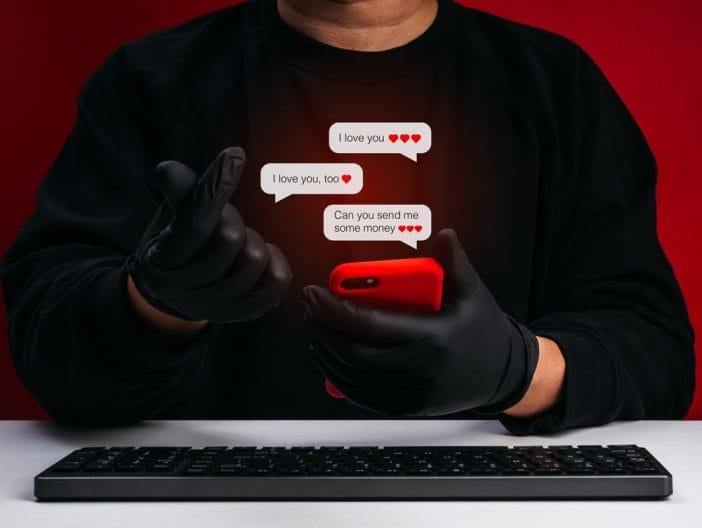
Romance scams and impersonation fraud keep exploding across the United States, and the tactics keep getting sharper, faster, and far more convincing. Scammers no longer rely on obvious fake profiles or broken English messages that scream “fraud” from a mile away. Instead, they build emotional stories, borrow real-world authority, and slowly tighten their grip until money starts moving in their direction. Federal consumer protection reports consistently show that Americans lose billions annually to these schemes, and the emotional damage often cuts even deeper than the financial hit. These scams don’t just steal cash—they hijack trust, blur judgment, and turn digital conversations into carefully scripted traps.
What makes these schemes so dangerous is how normal they feel in the beginning. A message lands in a social app, a dating platform, or even a professional network, and nothing seems off at first glance. The tone feels friendly, the photos look polished, and the conversation flows with surprising ease. Over time, the scammer studies emotional triggers, personal routines, and financial pressure points. Then the requests begin—small at first, then urgent, then framed as emergencies that demand immediate action. By the time the pattern becomes visible, many victims already face drained accounts and broken trust.
How Scammers Build Fake Love Stories That Feel Real
Scammers create entire fictional identities that feel more like movie scripts than random messages. They often pose as deployed military members, overseas engineers, or successful entrepreneurs traveling for work. These roles give them built-in excuses for why they cannot meet in person or video chat. They layer in emotional storytelling, sharing “life struggles” that mirror real human experiences like grief, loneliness, or financial hardship. Each message pulls the target deeper into a relationship that feels personal, consistent, and emotionally safe.
The emotional pacing matters more than anything else in these scams. Scammers avoid rushing because they want trust to grow naturally over weeks or even months. They remember small details from past conversations and repeat them later to appear attentive and real. Victims often feel seen and valued in ways that real-world interactions sometimes fail to deliver. That emotional connection becomes the weapon that opens the door to financial requests.
Once trust reaches a certain level, the tone shifts without warning. The scammer introduces sudden crises like medical emergencies, travel problems, or blocked bank accounts. These stories always require money transfers, gift cards, or crypto payments that cannot easily get reversed. The relationship dynamic flips from romance to rescue mission in a matter of messages. By that point, emotional investment often outweighs financial caution.
When Officials Show Up in Your Inbox or Phone
Impersonation scams involving fake government officials or company representatives add another layer of pressure. Scammers pretend to represent agencies like the IRS, Social Security Administration, or even local law enforcement. They often use spoofed caller IDs, official-looking emails, or scripted voicemail messages to increase credibility. The tone sounds urgent and authoritative, warning about unpaid taxes, legal trouble, or compromised accounts. Fear becomes the main tool that pushes victims toward quick decisions.
These scams rely heavily on intimidation tactics that shut down critical thinking. The fake “official” demands immediate payment to avoid arrest, account freezes, or penalties. Some scammers even stay on the line while victims withdraw money or transfer funds, increasing pressure with constant instructions. Real agencies never operate that way, but panic makes that detail easy to miss in the moment. The urgency creates a tunnel vision effect that benefits the scammer at every step.
Technology also plays a major role in these impersonation attacks. Scammers use caller ID spoofing tools that display real government phone numbers. They copy logos, language styles, and even email formats to appear legitimate at first glance. Some even send fake documentation that looks surprisingly official at a glance. The combination of fear and authenticity creates a powerful illusion that tricks even cautious individuals.
Red Flags That Reveal the Trap Before Money Disappears
Scams always leave clues, even when the story feels airtight. One major red flag appears when someone avoids face-to-face video calls or consistently makes excuses about technology issues. Another warning sign shows up when the conversation quickly turns toward financial emergencies or urgent money requests. Real relationships and legitimate agencies do not pressure people into immediate financial action through emotional or legal threats. Any message that demands speed over verification deserves immediate skepticism.
Another strong indicator involves payment methods. Scammers often push victims toward gift cards, wire transfers, cryptocurrency, or peer-to-peer apps with limited fraud protection. These methods allow money to disappear quickly without easy recovery options. They also avoid traditional banking systems that include fraud monitoring and dispute processes. Once money moves through these channels, recovery becomes extremely difficult, even for experienced investigators.
Inconsistencies in storytelling also expose many scams. Details change over time, timelines don’t align, and personal information sometimes conflicts with earlier messages. Scammers juggle multiple targets, which makes it hard for them to maintain perfect consistency. Careful attention to detail often reveals cracks in the narrative. Those cracks usually widen just before the financial requests escalate.

How to Shut Down Scammers and Protect Your Money
Strong protection starts with slowing everything down. Any emotional or financial request should trigger a pause for verification through independent channels. Contacting banks, agencies, or known personal contacts directly helps confirm whether the situation actually exists. Scammers rely on urgency, so time becomes the most powerful defense tool. A short delay often disrupts their entire strategy.
Digital boundaries also play a major role in prevention. Limiting personal information shared on social media reduces the material scammers use to build believable stories. Adjusting privacy settings and avoiding oversharing location or financial details adds another layer of defense. Blocking unknown contacts that push for emotional intimacy too quickly stops many scams before they develop. Consistent skepticism toward unsolicited messages protects both money and identity.
Reporting suspicious activity strengthens protection for everyone. Platforms, banks, and government agencies track scam patterns to shut down fraudulent networks. Each report adds valuable data that helps identify repeat offenders and emerging tactics. Victims who report quickly also increase the chances of recovering lost funds in some cases. Collective awareness weakens the ecosystem scammers depend on.
Fake Love and False Authority
Scammers don’t just steal money—they weaponize emotion, urgency, and trust to manipulate human behavior at scale. Romantic impersonation and fake authority scams succeed because they blend psychological pressure with digital convenience. Each interaction builds a story that feels personal, urgent, and believable enough to bypass caution. Awareness breaks that pattern by exposing the structure behind the illusion. Once the pattern becomes visible, the emotional grip weakens, and financial control returns to the individual.
What kinds of online messages feel suspicious enough to double-check before responding? Give us your experiences and stories in the comments below.
You May Also Like…
Child-Support Text Scams Are Draining Fathers’ Accounts — Police Warn About This New Fraud
The 4:00 PM Delivery Trap: Why Scammers are Targeting Your Mailbox This Thursday
FTC Reports A Rise In Fake Toll-By-Plate Text Scams, Targeting Drivers In Multiple States
The $19.99 “Shipping Fee” Scam: Why Your Credit Card Statement Has This Stealth Charge
Stop Answering These “Local” Area Codes: The Medicare “Verification” Scam Is Back
Related Posts
-

only $48,129 left to go! That's our chart from the No Credit Needed Network (thanks…
-

Marriage is more than a celebration or a promise. It’s a legal contract that affects…
-
I'm tired of buying and spending, and I've found a sure-fire way to tempt yourself…
-

Some shoes can instantly ruin a man’s outfit, no matter how well the rest of…
-
Buying too many clothes can seriously ding the family budget. The average family of four…
-

America's economy is improving by most standards – but is it improving on the backs…
