
Stop Answering These “Local” Area Codes: The Medicare ‘Verification’ Scam Is Back
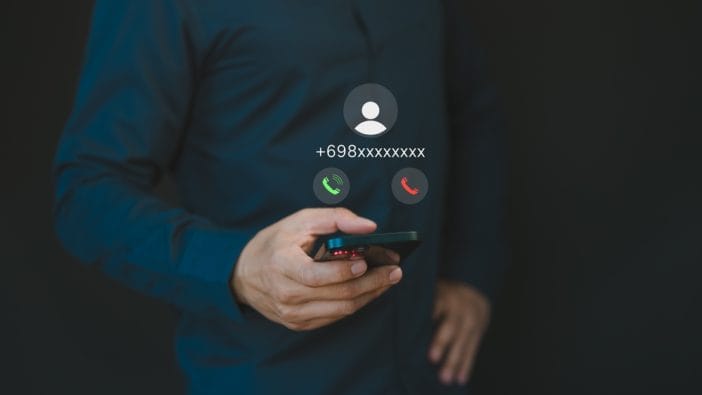
Security experts are sounding the alarm after a new wave of Medicare “verification” scam calls started hitting phones across the country, and this time, the trick feels especially sneaky. Scammers no longer rely on obvious red flags like foreign numbers or robotic voices that scream fraud from the first second. Instead, they use familiar local area codes, polished scripts, and just enough urgency to make anyone pause and wonder if the call might actually matter. That tiny moment of hesitation opens the door, and that’s exactly what these callers count on.
This scam doesn’t just aim at confusion; it targets trust, routine, and the natural instinct to handle important matters quickly. Calls often arrive during normal business hours, and they often sound like they come from a legitimate office that handles healthcare or benefits. Many people pick up because the number looks local, and that simple detail lowers defenses before the conversation even begins.
The Local Number Trap That Feels Way Too Real
Scammers have evolved far beyond the days of obvious spam calls, and they now rely heavily on a tactic called “neighbor spoofing,” which allows them to mimic local area codes. This trick makes a call look like it comes from the same region, or even the same city, as the person receiving it. People naturally trust local numbers more than unfamiliar ones, and scammers exploit that instinct without hesitation. They rotate through area codes constantly, but certain regions have seen spikes tied to repeated scam campaigns, especially where large populations of Medicare recipients live.
The most commonly reported area codes tied to these Medicare verification scams often include ones that belong to the recipient’s own region, which makes the situation more dangerous than a random out-of-state call. Calls may appear to come from nearby towns, familiar prefixes, or even numbers that look strikingly similar to known contacts. That similarity adds just enough credibility to keep someone on the line for a few extra seconds, and those seconds matter more than most people realize. Once the conversation begins, scammers shift quickly into a tone that sounds official, calm, and slightly urgent, which creates a sense of importance without triggering immediate suspicion.
These calls often claim that Medicare needs to “confirm” or “update” information due to new cards, policy changes, or system updates. That claim taps into real-world events, because Medicare occasionally does issue updates or new cards, and scammers build their scripts around those truths. They rely on that thin layer of reality to make the entire story feel believable, even though Medicare rarely, if ever, calls individuals directly to request sensitive details. The caller might ask for a Medicare number, Social Security number, or even banking information, all under the pretense of ensuring uninterrupted coverage. That request marks the moment where the scam fully reveals itself, but by then, many people already feel too invested in the call to hang up immediately.
The Script Sounds Polished—And That’s the Problem
These scam calls no longer stumble through broken sentences or awkward phrasing, and that shift makes them far more dangerous. Callers often speak clearly, confidently, and with just enough professionalism to sound like trained representatives. They follow a structured script that anticipates common questions and objections, which keeps the conversation moving forward without giving the target much time to think critically. That level of polish removes one of the biggest warning signs people used to rely on when identifying scams.
The tone usually stays calm but firm, which creates a subtle sense of urgency without crossing into panic. Callers may mention deadlines, pending updates, or temporary suspensions of benefits if verification does not happen soon. That language pushes people to act quickly, and it discourages them from hanging up to double-check the information independently. The scam thrives on that pressure, because a quick decision often leads to sharing sensitive information without fully processing the situation.
Another key detail involves how these callers respond to hesitation. Instead of becoming aggressive, many scammers double down on reassurance, offering to “confirm” their identity with fake badge numbers or referencing generic Medicare details that sound official but remain widely known. That tactic creates a false sense of transparency, which can make the call feel legitimate even when something feels slightly off. The longer the call continues, the harder it becomes to break away, especially for individuals who worry about losing coverage or missing an important update.
The Three Area Code Red Flags You Can’t Ignore
While scammers rotate numbers constantly, certain patterns continue to appear in reports, and those patterns reveal important warning signs. The first red flag involves repeated calls from slightly different numbers that share the same area code and prefix. That pattern often signals a robocall system cycling through numbers to increase the chances of getting an answer. When multiple calls arrive within a short period, especially from numbers that look nearly identical, that pattern almost always points to a scam operation.
The second red flag shows up when a local area code appears, but the caller claims to represent a national agency like Medicare. Official agencies do not rely on random local numbers to contact individuals, and they do not shift phone numbers constantly. That mismatch between the number’s origin and the caller’s claim should raise immediate suspicion, even if the conversation sounds convincing. A legitimate Medicare representative will not cold-call to request personal information, and any call that does so should end immediately.
The third red flag involves voicemail messages that urge a callback using the same local number. These messages often sound urgent and professional, and they may reference account issues or verification needs. Calling back opens the door to the same scripted scam, but with an added layer of engagement because the recipient initiated the contact. That small shift makes the interaction feel more legitimate, even though the underlying tactic remains the same. Ignoring these callbacks and verifying information through official channels offers the safest path forward.
Smart Moves That Shut This Scam Down Fast
Staying ahead of this scam requires a mix of awareness and quick decision-making. A few simple habits can make a massive difference. Let unknown calls go to voicemail, especially when they involve local numbers that seem unfamiliar. Legitimate organizations will leave clear, verifiable messages that do not demand immediate action or sensitive information. Taking a moment to review a voicemail before responding adds a crucial layer of protection.
Contact Medicare directly using the official number listed on its website or on official documents whenever questions arise about coverage or updates. That step removes all guesswork and ensures that any information shared stays within a secure and verified channel. Scammers rely on isolation and urgency. Direct verification breaks both of those elements instantly. Blocking suspicious numbers also helps reduce repeat calls, although scammers may still rotate through new ones over time.
Another powerful step involves talking openly about these scams with family members, especially those who may receive Medicare benefits. Sharing specific details about how the scam works makes it easier to recognize the warning signs in real time. Awareness spreads quickly when people compare notes. That shared knowledge often prevents someone else from falling into the same trap. Simple conversations can shut down scams before they even start, and that kind of prevention carries real value.
Stay Skeptical & Stay Safe
Scammers continue to refine their tactics. This Medicare verification scheme shows just how far they will go to blend into everyday life. Local area codes, polished scripts, and well-timed calls create a combination that feels convincing at first glance. But the underlying goal never changes. These callers want personal information, and they want it quickly, before doubt has time to settle in. Recognizing that pattern turns confusion into clarity, and clarity makes it much easier to hang up without hesitation.
Please share this with any family members who need it—especially seniors. What strategies have worked when dealing with suspicious calls, and what warning signs stand out the most during these moments?
You May Also Like…
The Little-Known Medicare Rule That Could Drain $7,200 a Year From You
IRS Scam Alert: Ask This One Question Before You Pay—Most Callers Can’t Answer It
Romance Scam Warning: Ask This One Question Before You Send Money
Drivers Beware: 8 Roadside Scams That Can Cost You Thousands
8 Common Ways People Accidentally Give Scammers Permission to Access Their Accounts
Related Posts
-

You can care deeply about people and still come across as distant, reserved, or hard…
-

Holiday shopping brings excitement, but it also brings a wave of scams hiding in plain…
-

Nothing feels as freeing as a deep, effortless breath. It’s simple, it’s vital, and most…
-

This week was a good week. I'm very proud of my "Insulating Your Crawl Space…
-

Buying a new car can be a fairly stressful event, especially if you've spent hours…
-

There’s nothing wrong with buying flowers. They’re pretty, they smell good, and they make you…
