
FTC Reports A Rise In Fake Toll-By-Plate Text Scams, Targeting Drivers In Multiple States
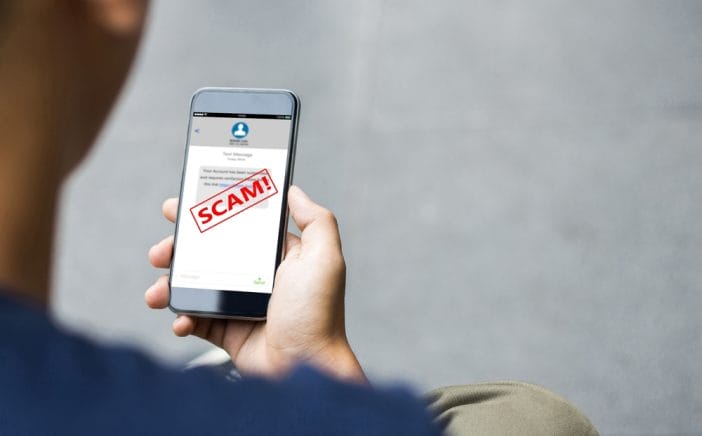
Scam texts are hitting drivers with a surprising sense of urgency, and they look official enough to cause real confusion in just seconds. The Federal Trade Commission has flagged a sharp rise in fake toll-by-plate messages that trick people into believing they owe unpaid road fees. These messages often demand immediate payment and threaten penalties, creating panic before logic even kicks in. Drivers across multiple states now find these scams popping up randomly on their phones, often disguised as legitimate toll agencies. The situation keeps evolving as scammers refine their tactics, making awareness more important than ever.
These fraudulent messages do not just waste time; they actively target personal and financial data. Many victims report that the texts feel convincing enough to trigger impulsive clicks on malicious links. Once that happens, scammers gain access to sensitive information that can lead to bigger financial headaches. The FTC continues to warn the public as these schemes spread faster through mass texting systems. Staying alert becomes the first line of defense in a digital environment that scammers constantly try to exploit.
Fake Toll Messages Are Spreading Faster Than Ever Across States
The FTC has observed a noticeable spike in fake toll-by-plate text messages circulating across several states at the same time. These messages often claim drivers owe unpaid toll fees and must pay immediately to avoid penalties. Scammers design these texts to look like they come from official transportation authorities, complete with urgent language. Many recipients receive them even if they never traveled through a toll road recently. The rapid spread shows how easily scammers can reach thousands of drivers with automated messaging tools.
These scams rely heavily on timing and pressure to force quick reactions from recipients. People often receive the messages during busy moments when they cannot verify the claim right away. The FTC warns that scammers intentionally exploit this distraction to increase success rates. As more drivers report similar messages, investigators continue tracking the origin of these coordinated campaigns. The trend highlights how digital fraud continues to adapt and expand across different regions.
Scammers Copy Real Toll Agencies to Build Trust Instantly
Fraudsters carefully mimic legitimate toll service providers to make their messages appear authentic. They often use names that closely resemble real toll-by-plate systems used in different states. Some messages even include fake invoice numbers and logos to increase credibility. This level of detail creates a false sense of trust that tricks many recipients into engaging. The goal centers on making the scam feel routine rather than suspicious.
Once trust forms, scammers push victims toward clicking embedded links that lead to fake payment portals. These websites often look nearly identical to real government payment pages. Drivers may enter credit card details without realizing they hand sensitive information to criminals. The FTC stresses that official agencies rarely request payment through random text messages. This imitation strategy remains one of the most effective tools in the scammer playbook.
Warning Signs That Reveal a Fake Toll Text Instantly
Suspicious toll messages often contain urgent threats like late fees or legal action within hours. Scammers use pressure tactics to push recipients into acting without checking details. Another common sign includes unfamiliar or shortened web links that do not match official government domains. Many messages also arrive unexpectedly, even for drivers who never used toll roads recently. These inconsistencies usually signal a fraudulent attempt rather than a legitimate notice.
Grammar issues or awkward phrasing can also expose scam messages despite their official appearance. Real agencies maintain clear, professional communication without emotional pressure tactics. Scammers frequently rely on vague language to avoid detection filters. Drivers should also question messages that demand immediate payment without offering account verification options. These red flags help separate legitimate notices from deceptive traps.

Clicking the Link Can Trigger Serious Financial Risk
Once a recipient clicks a fraudulent link, the situation escalates quickly into a potential data breach. Fake payment pages often request credit card numbers, billing addresses, and personal identification details. Scammers collect this information instantly and may use it for unauthorized transactions. Some victims also report malware installation that tracks further activity on their devices. The consequences extend far beyond a single mistaken click.
Financial damage can grow rapidly if scammers gain access to banking credentials. Unauthorized charges may appear within hours or days, depending on how quickly accounts get monitored. Identity theft risks also increase when personal data circulates across criminal networks. The FTC emphasizes that victims should act immediately by contacting financial institutions if they interact with these links. Quick response steps often limit long-term damage significantly.
FTC Guidance Focuses on Awareness, Reporting, and Prevention
The FTC advises drivers to delete suspicious toll texts immediately without clicking any links. Reporting these messages helps authorities track patterns and shut down fraudulent operations faster. Consumers can forward scam texts to official reporting channels to support ongoing investigations. Agencies also encourage people to verify toll charges directly through official websites or customer service lines. This approach eliminates uncertainty and reduces exposure to fake payment requests.
Public awareness remains a critical defense against evolving scams like these. Drivers who share information with family and friends help reduce the overall success rate of fraud campaigns. The FTC continues updating alerts as scammers adjust their tactics. Staying informed gives people a clear advantage over increasingly sophisticated digital threats. Consistent vigilance helps protect both personal data and financial stability.
Staying Alert Keeps Drivers Safe
Scammers depend on confusion, urgency, and distraction to push drivers into making fast mistakes. Fake toll-by-plate texts exploit everyday routines and create pressure that feels surprisingly real. Drivers who slow down and verify messages through official channels drastically reduce their risk. Simple habits like ignoring unknown links and checking accounts directly offer strong protection. Awareness turns into the most powerful tool against these digital traps.
What steps do you take when a suspicious text shows up on your phone, and have you noticed similar scam attempts lately?
You May Also Like…
The $19.99 “Shipping Fee” Scam: Why Your Credit Card Statement Has This Stealth Charge
Stop Answering These “Local” Area Codes: The Medicare “Verification” Scam Is Back
8 Common Ways People Accidentally Give Scammers Permission to Access Their Accounts
The 4:00 PM Delivery Trap: Why Scammers are Targeting Your Mailbox This Thursday
IRS Scam Alert: Ask This One Question Before You Pay—Most Callers Can’t Answer It
Related Posts
-

In today’s financial climate, many of us could do with a helping hand when it…
-

The Coronavirus Pandemic has changed shopping behavior forever, but how are some brick-and-mortar businesses, like…
-

A quiet suburban street suddenly turns into a battleground when a homeowner receives an unexpected…
-

For millennia, global cultures have utilized plants and mindfulness to maintain health. Initially, Western medicine…
-

If you're considering a remodel for your home, you're likely looking for ways to save…
-
Parents sometimes have a hard time letting go of their children. It's hard to…
