
Child-Support Text Scams Are Draining Fathers’ Accounts — Police Warn About This New Fraud
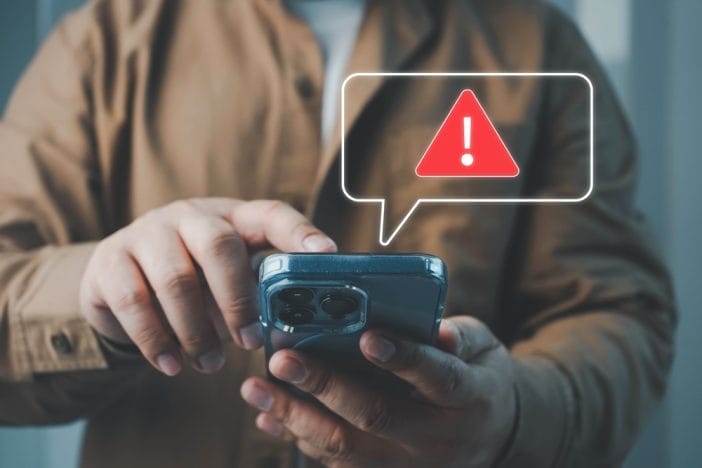
A phone buzzes during lunch, and suddenly panic takes over. The message claims a child-support payment failed, a court case opened, or a license suspension looms unless immediate action happens. Many fathers react fast because the stakes feel terrifyingly real. Scammers know that fear works better than flashy promises of free money, and they now weaponize that fear in one of the nastiest text-message frauds circulating across America.
Police departments and consumer protection agencies continue sounding alarms as these scams spread through SMS messages that look shockingly official. Some texts mimic state child-support agencies with fake case numbers, government logos, and links that closely resemble legitimate websites. Victims often click before thinking because the message hits a deeply personal nerve. In several reported cases, scammers drained checking accounts, stole login credentials, and gathered sensitive information that opened the door to even bigger identity-theft problems.
The Scam Looks Official Enough To Fool Almost Anyone
These scam texts usually arrive with urgent language designed to trigger instant anxiety. One message may claim overdue child-support payments require immediate verification, while another threatens arrest warrants, frozen bank accounts, or wage garnishment within 24 hours. Scammers frequently include links that direct victims to fake portals where they enter Social Security numbers, debit card details, or online banking credentials. The pages often copy real government websites so closely that even cautious people second-guess themselves.
Cybersecurity experts say scammers increasingly use “smishing,” which combines SMS texting with phishing tactics to steal financial data. Unlike robocalls, text messages feel more personal and direct, which increases the likelihood that recipients click without investigating. Fraudsters also exploit leaked personal information from old data breaches to make the texts appear even more believable. A scammer who already knows a father’s name, county, or phone number suddenly sounds a lot more convincing.
Fathers Face Unique Pressure When These Messages Arrive
Child-support issues carry emotional and financial weight, which gives scammers a perfect opening. Many fathers worry about legal consequences, missed paperwork, or payment processing problems, especially when juggling work schedules, custody arrangements, and monthly bills. A frightening text during a busy workday can push someone into panic mode before logic catches up. Scammers count on urgency because rushed people rarely stop to verify details.
Law enforcement officials say victims span every income level and background imaginable. Some targets actively pay child support, while others receive messages despite having no child-support history at all. That randomness actually helps the scam because it creates confusion and fear simultaneously. Someone who already handles child-support obligations may worry about a clerical error, while someone with no connection to the system may panic over identity theft or mistaken records.
One Click Can Trigger A Financial Nightmare
Many victims assume clicking a text link simply opens a harmless webpage, but the damage can escalate quickly. Some scam sites capture usernames and passwords instantly, while others install malware capable of harvesting financial information from mobile devices. In several cases, victims reported unauthorized bank withdrawals within hours after entering credentials into fake portals. Others discovered scammers opened credit accounts using stolen personal information weeks later.
Modern scammers also move fast once they gain access to banking information. They transfer funds through payment apps, cryptocurrency exchanges, or mule accounts that become difficult for banks to trace. By the time victims contact financial institutions, thousands of dollars may already disappear. Fraud investigators often warn that mobile scams succeed because people trust their phones more than they trust suspicious emails sitting in spam folders.
The Fake Government Language Sounds Terrifyingly Real
Scammers carefully study official child-support notices and court documents before crafting these messages. Many texts contain legal phrases, fabricated case numbers, and warnings about suspended licenses or pending court hearings. Some even spoof legitimate phone numbers so the message appears to come directly from a government office. That trick creates a dangerous illusion of authenticity that catches many people off guard.
Police departments across the country repeatedly stress one critical fact: legitimate agencies rarely demand sensitive information through random text links. Real government offices typically communicate through mailed notices, secure portals, or verified phone numbers listed on official websites. Scammers depend on emotional reactions overpowering common sense. Once fear enters the equation, many recipients stop looking for the small warning signs that would normally expose the fraud immediately.
Simple Habits Can Shut These Scammers Down Fast
The safest move involves refusing to click links inside unexpected text messages, even when the message appears official. Instead, recipients should independently search for the real agency website or call the verified number listed on government pages. That extra sixty seconds can prevent catastrophic financial damage. Security experts also recommend enabling multi-factor authentication on banking accounts because it creates another barrier against unauthorized access.
People should also watch for classic scam language like “urgent action required,” “final notice,” or threats demanding immediate payment. Government agencies generally provide multiple notices and formal procedures before taking legal action. A text demanding instant compliance usually signals manipulation rather than legitimate enforcement. Financial advisors additionally encourage regular bank monitoring because early fraud detection dramatically improves the odds of recovering stolen funds.

Banks And Police Continue Fighting A Growing Problem
Financial institutions now invest heavily in fraud detection systems that monitor unusual transfers and suspicious account behavior. Banks increasingly freeze questionable transactions automatically when they spot activity tied to known scam patterns. However, scammers constantly evolve their tactics, which turns fraud prevention into a nonstop technological arms race. Criminal groups behind these schemes often operate internationally, making arrests difficult and investigations painfully slow.
Police departments continue urging the public to report scam texts rather than simply deleting them. Reports help investigators identify patterns, trace fake domains, and warn communities before additional victims lose money. Consumer protection agencies also track emerging fraud tactics to educate the public about new schemes targeting Americans. Every report strengthens the larger effort to disrupt these criminal networks before more families suffer financial losses.
Fear Should Never Make Financial Decisions
Scammers succeed because they weaponize emotion better than most people realize. Fear, embarrassment, urgency, and confusion create perfect conditions for bad decisions that normally would never happen during a calm moment. Child-support scams strike a particularly sensitive nerve because they involve family responsibilities, legal concerns, and personal reputation all at once. That emotional cocktail explains why intelligent, cautious people still fall victim every single day.
What warning signs would make someone immediately suspicious of a text claiming legal or financial trouble? Share thoughts or experiences in the comments below.
You May Also Like…
Silent Calls Are a Major Red Flag for Scam Targeting — Here’s the Action Experts Recommend
FTC Reports A Rise In Fake Toll-By-Plate Text Scams, Targeting Drivers In Multiple States
The 4:00 PM Delivery Trap: Why Scammers are Targeting Your Mailbox This Thursday
The “Missing Signature” Email: The New FedEx Scam That Bypasses Your Spam Filter
Related Posts
-

Tesla is undoubtedly the leader in the electric vehicle market. When Teslas first hit the…
-

Men often brush off minor health symptoms, thinking they’re just part of getting older or…
-

Modern dating is a minefield, and sometimes, the smallest misstep can turn a promising evening…
-

Have you ever caught a faintly sweet, almost candy-like scent drifting through the air vents…
-

A month ago, I reported that Stacie got a positive review from her boss, even…
-

Vehicles have come a long way over the years. As a former mechanic, it has…
