
8 Phrases Police Say Immediately Escalate Routine Traffic Stops
Routine traffic stops often begin as calm, procedural encounters that involve simple checks like a license request or vehicle inspection. However, the tone can shift quickly depending on how communication unfolds between the driver and the officer. Small verbal choices can turn a standard stop into a tense, prolonged interaction with added scrutiny. Law enforcement officers often respond not only to actions but also to language that signals resistance or confrontation. Knowing how certain phrases land in real-time situations helps explain why some stops escalate faster than others.
Drivers often underestimate how stress influences communication during these moments, leading to statements that unintentionally raise tension. Officers focus heavily on safety, compliance, and situational control, which means wording matters more than most people realize. Some phrases can signal distrust, challenge authority, or imply legal confrontation even before facts get clarified.
1. “What’s The Problem?”
This phrase often sounds harmless in everyday conversation, but it can come across as confrontational during a traffic stop. Officers may interpret it as a challenge to their authority or a refusal to acknowledge the reason for the stop. That shift can push the interaction from cooperative to defensive very quickly. Tone matters as much as words, and stress often sharpens both in these situations.
When drivers lead with this question, officers may feel pressured to justify their actions before establishing basic control of the scene. That pressure can increase tension on both sides and slow down the resolution process. Clear, calm communication usually keeps the stop moving smoothly instead.
2. “I Know My Rights”
This phrase often signals immediate resistance, even when the driver does not intend it that way. Officers frequently associate it with a refusal to cooperate or an expectation of conflict. That perception can shift the stop into a more formal and rigid interaction.
Many drivers use this line to assert confidence, but it can unintentionally escalate tension. Officers may respond by tightening procedures, asking more questions, or prolonging the stop for clarity. Calm cooperation typically keeps rights discussions separate from the immediate traffic situation.
3. “Am I Being Detained?”
This question often appears in videos and legal discussions, but it can escalate real-life stops when used too early. Officers may interpret it as an attempt to challenge authority rather than seek clarification. That interpretation can shift the tone toward suspicion.
When drivers jump to this question before basic exchanges finish, officers may feel the need to assert control more firmly. The interaction can become more formal and less conversational as a result. Timing and tone strongly influence how this phrase lands in the moment.
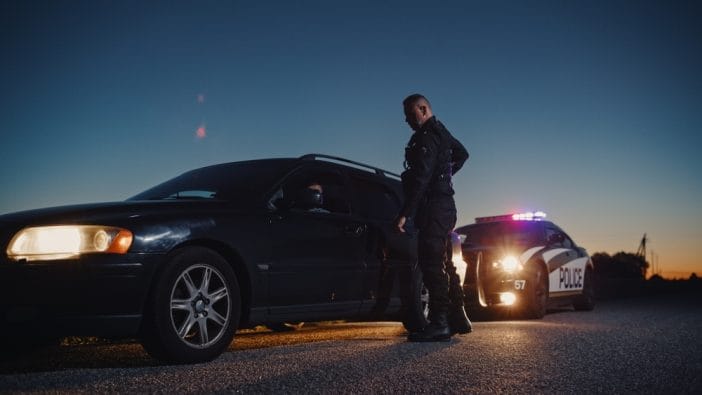
4. “I Didn’t Do Anything Wrong”
This statement often triggers longer stops because officers must verify or disprove the claim. Even if said calmly, it can signal defensiveness before facts get established. That shift can slow communication and increase questioning.
Officers typically prefer to explain the reason for the stop first before debating responsibility. When drivers lead with denial, it can create a back-and-forth dynamic instead of a straightforward exchange. Staying calm and listening often prevents unnecessary escalation.
5. “Why Are You Really Stopping Me?”
This phrase often implies suspicion of unfair motives, which can quickly raise tension. Officers may interpret it as an accusation rather than a request for clarification. That perception often changes the tone of the entire interaction.
When drivers question intent immediately, officers may respond more formally and less conversationally. That shift can extend the stop and increase scrutiny. Asking for clarification in a neutral tone usually keeps the exchange more cooperative.
6. “You Can’t Search My Car”
This statement often appears before any search request occurs, which can create confusion and escalation. Officers may interpret it as resistance to a process that has not yet been initiated. That reaction can lead to more detailed questioning.
In many cases, officers will explain legal thresholds or ask additional questions to establish context. The interaction can become more procedural and less flexible as a result. Waiting for a request before responding often helps keep communication balanced.
7. “I’m Not Answering Questions”
This phrase immediately changes the dynamic from cooperative to defensive. Officers rely on basic questions to assess safety, intent, and next steps during a stop. Refusing all communication can slow the process significantly.
While individuals may choose not to answer questions, stating it bluntly can escalate tension. Officers may respond by extending the stop or increasing formal procedures. Calm, minimal responses often reduce friction while still maintaining boundaries.
8. “Call Your Supervisor”
This request often signals dissatisfaction with the current interaction and can escalate oversight immediately. Officers may interpret it as a challenge to their judgment or professionalism. That perception can shift the tone toward formality and stricter protocol.
Although individuals have the right to request supervision in some situations, using the phrase early can interrupt normal resolution flow. The stop may take longer as additional personnel get involved. Neutral communication before escalation requests often keeps things smoother.
Words Shape the Tone of a Traffic Stop
Traffic stops rely heavily on communication, timing, and tone, and small phrasing choices can shift the entire direction of an encounter. Officers focus on safety and clarity, while drivers often focus on rights and fairness, which can create friction when language feels confrontational. Understanding how certain phrases land in real time helps explain why some stops escalate faster than others. Calm, measured communication usually keeps interactions more predictable and less stressful for everyone involved. Awareness of wording does not remove rights—it simply helps prevent unnecessary tension during already stressful moments.
What phrases have you seen or heard during traffic stops that changed the tone of the interaction? Let’s hear your thoughts in the comments.
You May Also Like…
Police Warn Drivers About a New Toll Text Scam Spreading Across Multiple States
Police Are Tracking Telematics Data — How to Disable Your Car’s Spy Device Without Breaking the Law
Caught With a Radar Jammer? These 2026 Laws Mean Hefty Fines and a Permanent Record
Never Say These 3 Things When Cops Ask Where You’re Going — It Could Lead to a Search
Troopers Say These 9 Phrases Can Escalate a Winter Traffic Stop
Related Posts
-

Modern medicine has saved millions of lives, but history shows that not every pill is…
-

There is a quiet epidemic sweeping through families that no one wants to talk about…
-

(Photo by Clever Dude) While most of our friends are parents now, sometimes of their…
-
Equifax, one of the three credit reporting bureaus that calculates credit scores influencing people's ability…
-
Buying too many clothes can seriously ding the family budget. The average family of four…
-

High-earning men often seem untouchable when it comes to money. They drive luxury cars, live…

Years ago, I was driving down a lonely highway – hadn’t seen more than 2 vehicles in an hour. I generally hold to the speed limit (55) but I had a long drive ahead of me & it was a great road – straight & no obstructions.
So I decided to go faster & got my car up to 80 which I rarely do. Suddenly behind some large trees I saw a state trooper. I thought wow this is wild! He pulled me over & of course asked me if I knew what he pulled me over for.
I immediately said yep, I was going 80 miles an hour and how foolish do I feel now? He asked me why was I speeding and I told him I had no excuse. I had a long drive ahead of me and I guess I was wanting to get there sooner, but that is not an excuse to speed. He said OK and went back to his vehicle. I knew what he would see on his computer, which is absolutely nothing. I have a perfect record.
He returned and gave me a warning, and I said believe me, Officer, I will not do this again.
And for the most part, I have not exceeded the limit since.