
Police Are Tracking Telematics Data — How to Disable Your Car’s Spy Device Without Breaking the Law
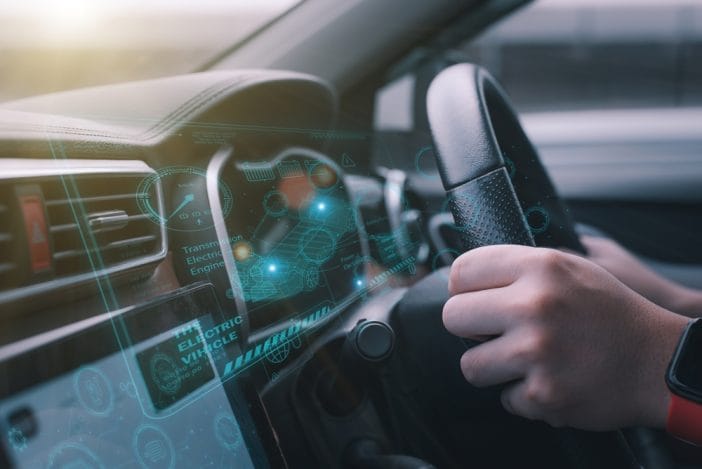
Modern cars don’t just drive anymore—they record, analyze, and transmit information in real time. Many vehicles now include built-in telematics systems that track location, speed, braking patterns, and even driving habits. That data often flows to automakers, insurance companies, and sometimes law enforcement under legal requests. Drivers often don’t realize how much digital information their car quietly generates every time the engine starts. The convenience of connected features often comes with a hidden tradeoff in personal data exposure.
Law enforcement agencies sometimes request telematics records during investigations, especially in serious incidents involving crashes or theft. Insurance companies also rely on this data to assess risk and adjust premiums. These systems don’t operate in secrecy in a criminal sense, but they do operate in the background without constant driver attention. That reality creates growing concern about privacy, control, and how much data collection feels reasonable. The key issue centers on how drivers can manage these systems legally while still keeping modern car features functional.
What Telematics Systems Actually Track Every Day
Telematics systems collect a wide range of driving behavior data through built-in sensors and GPS modules. These systems often log speed, acceleration, hard braking, route history, and idle time. Some vehicles also track seatbelt usage, fuel efficiency patterns, and even phone connection activity. Manufacturers use this data to improve vehicle performance, deliver updates, and offer connected services. Insurance programs sometimes rely on similar data to calculate usage-based pricing.
Most drivers interact with telematics indirectly through navigation apps, emergency assistance features, or remote start services. These features rely on constant data exchange between the vehicle and company servers. Even basic actions like unlocking a car through an app can generate stored records. While this improves convenience, it also creates a detailed digital footprint of daily driving habits. That footprint becomes valuable to multiple third parties depending on contracts and legal requests.
Why Authorities and Companies Access Vehicle Data
Police departments often request telematics data during investigations involving collisions, stolen vehicles, or criminal activity. Automakers typically comply when presented with valid legal orders such as warrants or subpoenas. Insurance companies access similar data when drivers enroll in usage-based insurance programs. These programs reward safe driving behavior but also collect highly specific movement information. The system operates within legal frameworks, but it still raises questions about transparency.
Companies justify data collection as a way to improve safety, reduce fraud, and enhance vehicle technology. Drivers often agree to terms during vehicle setup without reading full data-sharing agreements. Those agreements usually define how and when companies can share information. Many users later discover how broad those permissions actually become. The balance between safety benefits and personal privacy continues to spark debate among consumers and regulators.
The Legal Reality of Turning Off Telematics Systems
Disabling telematics systems requires careful attention to legal and contractual boundaries. Manufacturers design many systems as integrated safety and service tools, which means full removal may violate warranty or service agreements. However, drivers can legally limit certain types of data sharing through settings and account controls. Privacy laws in many regions allow users to opt out of marketing data collection or non-essential tracking. The challenge comes from identifying which features count as essential versus optional.
Some vehicles allow drivers to turn off location sharing, diagnostic uploads, or connected app services directly through onboard menus. Others require changes through online accounts linked to the manufacturer. Insurance-based tracking programs often allow voluntary removal, though that may affect premiums. Legal compliance matters here, so drivers should avoid physical tampering with factory-installed systems. Instead, focusing on official privacy controls ensures compliance while still reducing data exposure.

How Built-In Privacy Settings Can Reduce Tracking
Many modern vehicles include privacy dashboards buried within infotainment systems or mobile apps. These dashboards often allow drivers to disable data sharing for navigation history, vehicle diagnostics, or remote connectivity. Manufacturers like to group these options under “privacy,” “data,” or “connected services” menus. Turning off certain features may limit app functionality, but it reduces data transmission significantly. Drivers gain more control by reviewing these settings after purchase rather than leaving defaults active.
Account-based controls often provide even more power than in-car menus. Logging into manufacturer portals lets drivers adjust consent preferences for data collection and sharing. Some brands also allow complete deactivation of telematics subscriptions, especially after trial periods end. Insurance apps tied to driving behavior may also offer opt-out options, though policy terms vary widely. Taking time to review these settings helps reduce unnecessary data sharing without interfering with legal obligations.
Insurance Tracking Devices and What Drivers Can Do
Insurance companies sometimes offer discounts in exchange for installing tracking devices or using smartphone apps that monitor driving behavior. These tools measure acceleration, braking, mileage, and nighttime driving frequency. Drivers often receive lower premiums for safe driving scores, but they also share continuous movement data. Removing or deactivating these devices usually requires contacting the insurer directly. Unauthorized removal can affect coverage or discounts depending on the policy agreement.
Some programs use plug-in devices that connect to the vehicle’s OBD-II port under the dashboard. These devices collect driving data and transmit it to insurance providers in real time. Drivers can usually request removal when leaving a program or switching insurers. However, early removal may trigger policy adjustments or loss of discounts. Understanding the contract terms becomes essential before enrolling in any usage-based insurance system.
Common Misconceptions About Car Data Tracking
Many drivers assume that disabling car tracking requires technical modifications or hidden tricks. In reality, most modern telematics systems rely on user agreements rather than hidden surveillance. Another misconception suggests that all driving data automatically goes to law enforcement, which only happens through legal processes. Automakers do not freely share data without proper authorization in most jurisdictions. The system operates through structured data policies rather than constant monitoring by authorities.
Another misunderstanding involves believing that turning off a single setting stops all tracking. In practice, vehicles often use multiple independent systems for navigation, diagnostics, and connectivity. Disabling one feature may still leave others active. Drivers need to review each category of data sharing separately. A complete approach focuses on privacy settings, account controls, and subscription management rather than one switch.
Smart Ways to Take Control of Vehicle Privacy
Drivers gain the most control by reviewing privacy settings immediately after purchasing or leasing a vehicle. Manufacturer apps, onboard menus, and account dashboards all contain key options for limiting data flow. Reading terms of service helps identify what data gets collected and why. Taking time to adjust settings prevents unwanted data sharing from the start. Small changes can significantly reduce the digital footprint created by daily driving.
Staying informed about telematics policies also helps drivers adapt as regulations evolve. Governments continue updating privacy laws related to connected vehicles and data rights. Manufacturers also update software, which can reset or change default settings. Regularly checking privacy controls ensures continued control over personal information. Awareness and consistent review create the strongest defense against unwanted data collection.
What Drivers Should Remember About Telematics Control
Telematics systems blend convenience with data collection, creating both benefits and privacy tradeoffs. Drivers maintain legal rights to manage how much information they share through official settings and account controls. Avoiding unauthorized modifications keeps vehicles compliant while still improving privacy. Understanding contracts, insurance terms, and manufacturer policies helps prevent surprises later. The smartest approach focuses on informed choices rather than reactive fixes.
What steps would feel most important to you for protecting vehicle privacy in everyday driving?
You May Also Like…
Thieves Are Targeting These 5 Cars at Record Rates in 2026 — Is Your Vehicle on the List?
Smart Automotive Choices That Can Lower Your Long-Term Vehicle Costs
5 Financial Moves Automotive Lovers Are Making This Quarter
Avoid These 5 Cars If You Like Doing Your Own Oil Changes
Why Some Cars Are Getting Harder to Repair—Even for Experienced Mechanics
Related Posts
-

Thinking about the prospect of dying is a subject that most individuals tend to avoid,…
-

We all have things we can’t let go of. Old yearbooks, boxes of childhood toys,…
-

Engines fail quietly when small habits go wrong, and topping off oil incorrectly sits at…
-

You can tell a lot about a man by his wardrobe, and sometimes, it’s not…
-

Communication is the backbone of any relationship, but sometimes words aren’t the only tool people…
-

In today's fast-paced world, being handy around the house and knowledgeable about basic car repairs…

Just another example of the Big Brother is always watching. We have become such a Socialist country with all the spyware the government uses on citizens now. Next step is infants being fitted with microchips at birth, or they’ll scan retinas at d fingerprints at birth, since those are all unique to each individual. Ethics.arent even an issue anymore with the current government and billionaire companies and their data centers and our stolen personal data housed at Thiels data center. Soon, we’ll have no rights or privacy.
If you’ve purchased a vehicle outright and your chosen insurance policy doesn’t mention anything related to the telematics system, then you absolutely should disconnect that telematics unit.
Manufacturers can list all the reasons they can come up with as to why these data collection systems exist, but he truth is they saw what big tech was doing in collecting data from phones, tablets, laptops, TV’s etc….
Seeing these companies make untold sums from selling that data to various data brokers got them to create a way to get in on that market.
If the vehicle you drive requires constant updates or its features like heated seats, satellite navigation etc… require a constant cellular connection via that 5g modem then consider driving something else. We’ve managed to have conveniences like those operating in our cars and trucks without connecting to the manufacturer for decades. The only change was to the greedy bean counters and their seeing a path toward another revenue stream.
So if the bank you secured financing from to buy a vehicle requires the data collection system remain active, shop around for another bank or credit union (do not use in house dealer financing ), And the same applies to an insurance provider. If your auto insurer demands you leave the intrusive spy hardware alone then find another provider, there are plenty that do not require this BS. And if enough customers take their business elsewhere then the insurance companies requiring a functional telematics unit will get the message and either drop the requirement or make it optional.
But do not simply accept this invasion of your privacy as just something that you can’t do anything about.