
Men Are Ruining Their Engines by Topping Off Oil Wrong — Mechanics Reveal the Costly Misstep
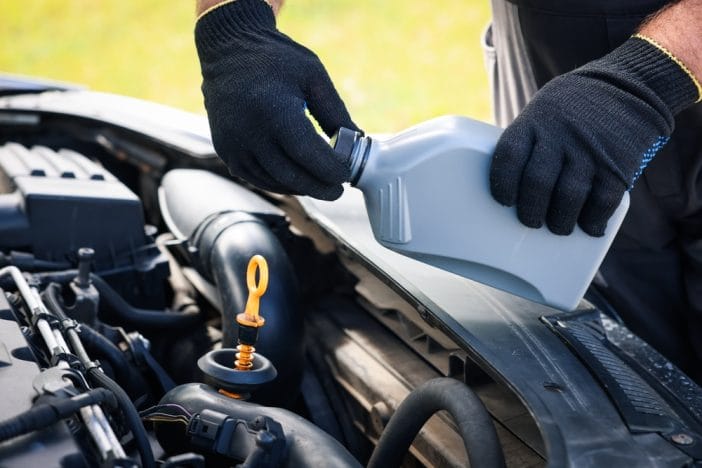
Engines fail quietly when small habits go wrong, and topping off oil incorrectly sits at the top of that list. Many drivers assume adding a little extra oil always helps, but mechanics see a different story in repair shops every day. Overfilled engines, foamy oil, and damaged seals show up far more often than most drivers expect. A simple five-minute task at home or a quick stop at a gas station can turn into a costly repair bill when oil levels go unchecked.
Mechanics consistently point out that the real issue does not come from lack of effort but from missing key steps in the process. One wrong pour can create pressure issues that slowly eat away at engine health long before warning lights appear.
The Common Habit of Topping Off Oil the Wrong Way
Many drivers open the hood, see a low dipstick reading, and immediately grab a bottle of oil without checking anything else. That quick reaction often skips important details like temperature, oil type, and proper dipstick technique. Engines need oil levels measured under specific conditions, and ignoring those conditions leads to false readings that misguide the refill process. Mechanics often describe this habit as “reaction maintenance,” where urgency replaces accuracy. That mindset pushes drivers to add oil too quickly and in larger amounts than the engine actually needs.
This mistake grows worse when drivers assume all engines respond the same way to oil top-offs. Modern engines use tighter tolerances and more sensitive oil systems compared to older models. A slight overfill can disrupt crankshaft movement and cause aeration inside the oil system. Air bubbles in oil reduce lubrication quality and increase friction between metal components. That combination creates wear patterns that develop slowly but damage expensive parts like pistons and bearings over time.
Why Overfilling Oil Creates Expensive Engine Damage
Excess oil does not simply sit harmlessly inside the engine; it actively interferes with internal movement and pressure balance. When oil levels rise above the maximum mark, the crankshaft can whip the oil into a foam-like consistency. That foamy oil loses its ability to properly lubricate engine parts, which increases heat and friction across the system. Mechanics often compare this condition to running an engine with diluted protection, where metal surfaces start contacting each other more aggressively. Over time, that contact accelerates wear and reduces engine lifespan.
Overfilling also puts pressure on seals and gaskets that were never designed to handle extra volume. Oil begins to leak into areas like the combustion chamber, where it burns and produces blue smoke from the exhaust. Drivers often mistake this symptom for a major engine failure when the real cause starts with a simple topping error. Sensors may also trigger warning lights as oil pressure readings fluctuate beyond normal ranges. Repair costs escalate quickly once technicians need to replace damaged seals, clean contaminated systems, or address oil-fouled spark plugs.
How Mechanics Recommend Checking and Adding Oil Correctly
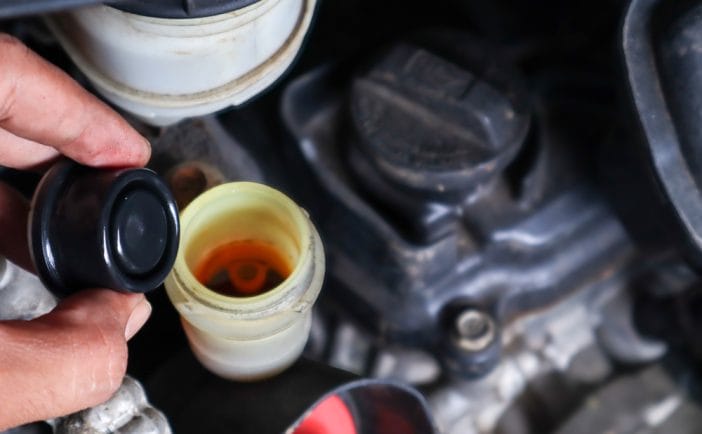
Proper oil maintenance starts with a cold engine or one that has rested for at least ten minutes after driving. That pause allows oil to settle into the pan and produce an accurate dipstick reading. Mechanics recommend pulling the dipstick, wiping it clean, reinserting it fully, and then checking the level a second time for precision. That simple repeat step eliminates false readings that often lead to unnecessary oil additions. Drivers who follow this method gain a clearer picture of actual oil needs instead of guessing based on a single check.
Adding oil also requires patience and control instead of quick pours. Mechanics suggest adding small amounts, typically half a quart at a time, then waiting a few minutes before rechecking the dipstick. That approach prevents accidental overfilling and keeps the oil level within safe operating range. Matching oil type to manufacturer specifications also plays a critical role in protecting engine components. Each engine design depends on specific viscosity ratings, and mixing incorrect types disrupts flow and lubrication consistency.
The Smart Maintenance Habit That Saves Engines and Money
Consistent oil checks every few weeks create the strongest protection against engine damage and unnecessary repair bills. Drivers who treat oil maintenance as a routine habit avoid the panic-driven mistakes that lead to overfilling. Mechanics repeatedly emphasize that engines rarely fail without warning, but small ignored signals often build into larger problems. A clean dipstick, steady oil pressure, and proper fill levels all work together to keep engines running smoothly. That level of attention transforms a simple maintenance task into a long-term cost-saving strategy.
Smart drivers also keep a basic log of oil changes and top-offs to track patterns over time. That record helps identify unusual consumption rates that might signal leaks or internal wear. Early detection prevents minor issues from turning into full engine replacements that cost thousands of dollars. Regular attention builds confidence under the hood and reduces reliance on emergency repairs. A disciplined approach to oil care keeps vehicles efficient, reliable, and far less expensive to maintain.
What habits have made the biggest difference in keeping your vehicle running smoothly over time?
You May Also Like…
Avoid These 5 Cars If You Like Doing Your Own Oil Changes
Thieves Are Targeting These 5 Cars at Record Rates in 2026 — Is Your Vehicle on the List?
Mechanics Warn: New Engines Are Failing in Just 5 Years — And Oil Is the Hidden Reason
What Mechanics Wish You’d Stop Doing to “Prepare” for an Oil Change
Mechanics Say This One Driving Habit Quietly Destroys Transmissions in Cold Weather
Related Posts
-

One minute you're joking around in the kitchen, and the next you're facing eye rolls,…
-

It’s 2025, and the shelves are packed with high-tech, luxurious grooming products. Yet, plenty of…
-

Selling a car, via negotiation, is an art form. Negotiation is all about persuading the…
-

Dog owners often expect their bond with their pets to grow stronger as the years…
-

Modern life is full of pressures, from career expectations to social obligations. Many men feel…
-

Dating is supposed to be fun, but sometimes well-intentioned rituals can backfire. People often repeat…
