
Never Say These 3 Things When Cops Ask Where You’re Going — It Could Lead to a Search
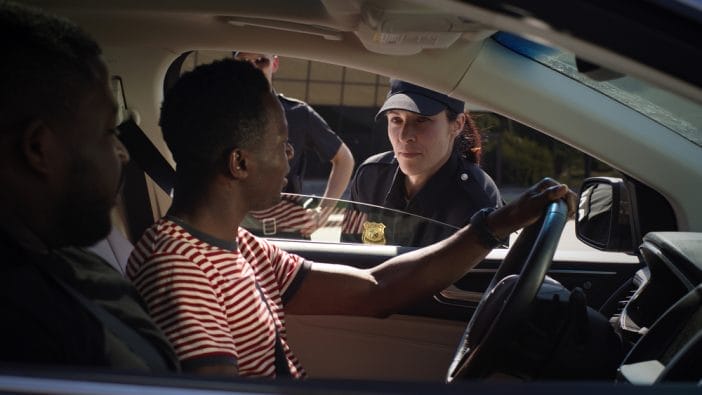
A simple conversation during a traffic stop can shift direction in seconds. One offhand response can change the tone, the questions asked, and even whether an officer decides to dig deeper. Drivers across the country often underestimate how much weight their words carry in these moments. Police officers listen not just for answers, but also for attitude, hesitation, and tone. That combination can influence whether a stop stays routine or turns into a search request.
Understanding what to say—and what not to say—can make a real difference in how smoothly a roadside interaction unfolds. No one needs to panic or overthink every sentence, but certain phrases tend to raise suspicion or escalate tension unnecessarily.
1. “None of Your Business”
Saying “none of your business” almost always escalates a routine traffic stop into a confrontational situation. Officers often interpret that phrase as hostility or refusal to cooperate, even when a driver simply feels nervous or protective of privacy. That reaction can quickly shift the tone from casual questioning to heightened scrutiny. In many cases, officers begin documenting behavior more closely when they sense resistance. That increased attention can open the door to additional questioning or requests for consent to search.
A better approach keeps responses short, calm, and neutral without sounding aggressive. Drivers can choose simple statements like “I’m just heading to my destination” without adding unnecessary detail. Officers typically focus on safety concerns, so cooperative language reduces friction. Calm communication signals stability, which often helps end the stop faster and without escalation.
2. “Why Do You Need That?”
“Why do you need that?” often sounds like a challenge rather than a question, even when spoken politely. Officers can interpret it as an attempt to block the flow of questioning, which may shift their mindset toward suspicion. During traffic stops, tone matters just as much as wording, and this phrase tends to land on the wrong side of that balance. Once tension enters the conversation, officers may expand their questioning or look for inconsistencies. That change can sometimes lead to requests for a vehicle search based on perceived uncertainty or concern.
Clear and cooperative responses usually keep things smoother and more predictable. Drivers can ask for clarification in a calmer way, such as acknowledging the request and responding without resistance. Most officers explain their questions when asked respectfully, especially during routine stops. Keeping communication steady reduces the chance of misunderstanding and helps the interaction stay professional.
3. “I’m Not Telling You”
“I’m not telling you” creates immediate distance between the driver and the officer, and that gap often leads to suspicion. Officers rely heavily on conversation during stops to assess risk and safety, so refusal to engage can stand out quickly. Even if a driver intends to protect privacy, that phrase can signal concealment or noncompliance. That perception can encourage officers to extend the stop or request further investigation. In some cases, it can also lead to a search request based on observed behavior and officer discretion.
A more effective strategy keeps responses minimal but not confrontational. Drivers can choose to provide basic information without volunteering extra details. Calm answers like destination or general direction often satisfy routine questioning. The key lies in avoiding language that shuts down communication entirely.
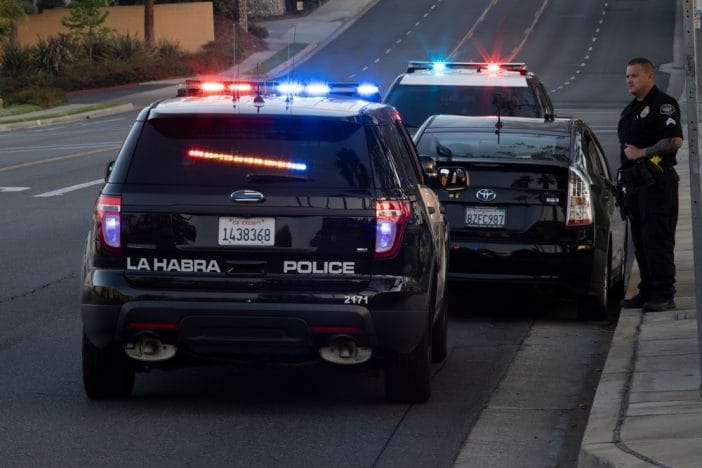
What Smart Communication Really Looks Like During a Traffic Stop
Traffic stops run smoother when drivers treat them like structured conversations rather than debates or negotiations. Officers look for cooperation, consistency, and calm behavior to determine whether a situation stays low-risk. Small shifts in wording can dramatically change how an interaction unfolds. Staying respectful without oversharing helps maintain control of the situation. Most stops end quickly when both sides avoid unnecessary tension.
Smart communication does not require legal jargon or complicated explanations. It simply requires steady tone, minimal detail, and respect for the situation. That combination keeps interactions predictable and reduces the likelihood of a search request based on suspicion. Every stop may feel different, but communication style consistently shapes the outcome.
What do you think? Should drivers keep answers extremely minimal during stops, or does openness help more? Give us your opinions below.
You May Also Like…
Cops In These 3 States Are Cracking Down on Left Lane Drivers — You’d Better Be Passing
Drivers Blindsided by New One-Strike Towing Rules — What to Do When Police Take Your Car
6 Reasons The Police Are Looking For Your Modified Vehicle
If You See This 5-Word Note on Your Front Door, Call the Police Immediately
Cops Say This One Sticker on Your Rear Window Could Flag You as a High-Risk Driver
Related Posts
-

In your 40s and beyond, your skin and hair may have different needs than they…
-

For some of us, the word "Help" is a very bad 4 letter word. Sometimes…
-

Price gouging is the charging of an excessive amount for goods or services to a…
-

When you drive through different neighborhoods, you might notice a pattern: some car brands seem…
-

Smart home devices are everywhere. They help us turn on lights, play music, and even…
-

Phones run modern life, but they also hold more risk than most people admit. One…
