
Drivers Blindsided by New One-Strike Towing Rules — What to Do When Police Take Your Car

A routine traffic stop used to end with a warning, a ticket, or maybe a frustrating lecture from an officer leaning into the driver’s window. Now, in many parts of America, one mistake can leave drivers standing on the curb while a tow truck hauls away the family car before sunset. States and cities across the country continue to tighten impound laws tied to offenses like suspended licenses, uninsured driving, reckless speeding, street racing, and DUI-related violations. Some drivers discover the rule changes only after they stare through a chain-link fence at their vehicle sitting in an impound lot with a growing bill attached to it.
The financial punch hits hard and fast. Towing charges often start around $150 to $300, while daily storage fees can pile on another $40 to $100 every single day. Add administrative fees, court costs, and mandatory reinstatement expenses, and the total can climb into the thousands before a driver even gets the keys back.
Why Police Departments Push Aggressive Towing Policies
Police agencies argue that tougher towing rules target dangerous behavior before it causes deadly crashes. Officers frequently point to repeat DUI offenders, uninsured drivers, and illegal street racing incidents that continue to rise in many metro areas across the country. Several states now authorize immediate impoundment when officers catch someone driving with a suspended license, even if the stop involved no crash or reckless behavior. Cities also use aggressive towing policies to crack down on abandoned vehicles, illegal parking clusters, and drivers with large stacks of unpaid citations.
Critics see a very different picture once the bills start rolling in. Consumer advocates argue that aggressive impound rules often punish low-income drivers far more severely than wealthier motorists who can quickly pay the fees. A driver who loses access to a car for even three days may also lose work shifts, miss rent payments, or face childcare emergencies. Some legal experts also question whether certain one-strike towing policies create excessive financial penalties for relatively minor traffic violations. That tension continues to fuel lawsuits, protests, and calls for reform in multiple states.
The Violations Most Likely to Trigger an Instant Tow
Suspended licenses sit near the top of the instant-tow list in many states. Drivers often assume a suspension only applies after major offenses, but unpaid tickets, missed court appearances, expired insurance paperwork, and overdue child support payments can also trigger a suspension. One overlooked notice in the mail can suddenly transform an ordinary commute into an expensive roadside disaster. Police databases update quickly now, and officers can usually spot license problems within minutes during a traffic stop.
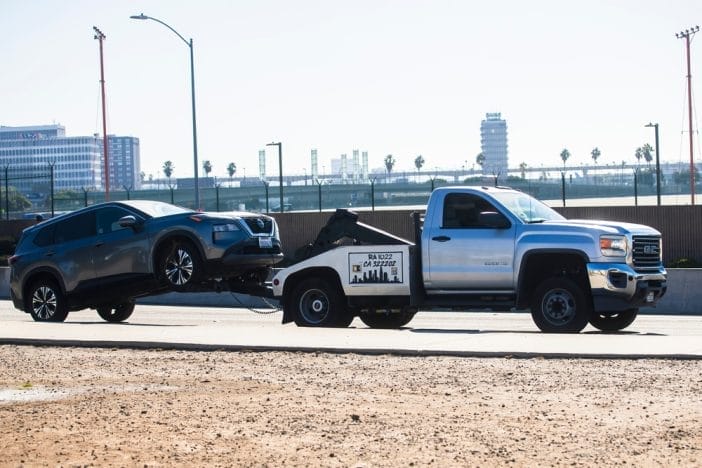
Street racing crackdowns also continue to reshape towing laws nationwide. Cities dealing with dangerous takeover events increasingly authorize officers to impound vehicles immediately after racing-related arrests or reckless exhibition driving accusations. Some states even permit extended impound periods lasting 30 days or longer for repeat offenders. DUI arrests, uninsured driving, and excessive speeding violations can also trigger automatic towing depending on local law. Drivers sometimes learn about these rules only after hearing the tow truck operator hook chains onto the rear axle.
The First Steps Drivers Should Take After a Tow
Panic usually makes the situation worse, especially when drivers start arguing aggressively with officers or tow operators at the roadside. The smartest move involves staying calm, gathering paperwork, and asking direct questions about where the vehicle will go and what agency authorized the tow. Drivers should request a written tow notice whenever possible and immediately confirm the name, phone number, and address of the impound lot. Those details matter because storage fees often begin accumulating the moment the vehicle arrives at the lot.
Fast action can save hundreds of dollars. Drivers should contact the impound lot immediately to verify operating hours, accepted payment methods, and required release documents before showing up at the gate. Many lots refuse personal checks and require cash, certified funds, or debit card payments. Drivers also need proof of ownership, valid identification, and current insurance before the lot releases the vehicle. Anyone dealing with a suspended license issue should also contact the local DMV quickly because some jurisdictions require reinstatement before releasing the car.
Hidden Costs That Catch Drivers Completely Off Guard
The tow bill rarely tells the whole story. Impound yards often charge separate administrative fees, after-hours release fees, gate fees, or lien-processing costs that dramatically inflate the final total. Some drivers discover they owe more than the car itself actually costs, especially if an older vehicle sits in storage for several weeks. Missing work while trying to fix paperwork issues adds another layer of financial damage that many families simply cannot absorb easily.
Insurance complications create another nasty surprise. Certain violations tied to impoundments can trigger premium increases that linger for years, especially after DUI-related incidents or reckless driving charges. Drivers financing a vehicle may also face lender headaches because missed payments continue even while the car sits trapped behind a locked fence. In extreme cases, impound lots can eventually auction unclaimed vehicles to recover unpaid fees. That possibility turns a single bad traffic stop into a long-term financial nightmare.
Smart Habits That Help Drivers Avoid One-Strike Trouble
Simple administrative mistakes cause more towing disasters than many drivers realize. Expired registration stickers, lapsed insurance coverage, unpaid traffic tickets, and forgotten court dates can all spiral into license suspensions or vehicle impound risks. Checking DMV records regularly and opening every notice from the state sounds boring, but those habits prevent thousands of roadside headaches every year. Drivers should also keep digital copies of insurance cards and registration documents easily accessible on their phones.
The smartest drivers also pay attention to local enforcement trends. Cities increasingly announce targeted crackdowns on illegal parking, reckless driving, or street racing through local news reports and police social media accounts. Staying informed helps drivers avoid areas and situations where aggressive towing enforcement spikes suddenly. Rideshare options, public transit, or simply handing the keys to another licensed driver can also prevent catastrophic costs after a night out involving alcohol. One cautious decision often beats weeks of financial chaos and paperwork battles.
The Cost of Losing Your Car for One Mistake
A car represents freedom, stability, and survival for millions of American families, which explains why aggressive towing policies spark so much outrage. One traffic stop can now unleash towing bills, court costs, insurance hikes, missed work, and transportation nightmares that linger long after the flashing lights disappear. Drivers who stay proactive with paperwork, licensing, insurance, and local traffic laws stand the best chance of avoiding those painful surprises. The growing wave of one-strike towing rules shows no sign of slowing down, so preparation matters more than ever.
What do you think about instant towing policies for suspended licenses, racing crackdowns, and other one-strike violations? Should police have broader authority to impound vehicles immediately, or do these rules go too far?
You May Also Like…
Thieves Are Targeting These 5 Cars at Record Rates in 2026 — Is Your Vehicle on the List?
Motorists Say They’re Blindsided as Cops Tow Vehicles Under New One-Strike Rule
State Troopers Say Never Do This at a Traffic Stop — It Could Add 8 Points to Your License
Troopers Say These 9 Phrases Can Escalate a Winter Traffic Stop
10 Things Your Parents Told You About Driving That Are Now Illegal
Related Posts
-

FYI, if my site is down or messed up tonight or tomorrow morning, it's because…
-

In recent conversations around work-life balance and personal well-being, the concept of the "third place"…
-

Retirement can be an exciting milestone, but it often brings unexpected challenges for couples. Many…
-

For many men, owning a dog just doesn’t fit their lifestyle. Maybe it’s the daily…
-

Home renovations might seem like a dream come true: a fresh kitchen, a new bathroom,…
-

It's never a good idea to ignore warning lights on your dashboard, but that's especially…
