
6 Reasons The Police Are Looking For Your Modified Vehicle

A sleek body kit, a roaring exhaust, and custom lighting can turn an ordinary car into a head-turning machine—but those same upgrades can also attract the wrong kind of attention. Law enforcement doesn’t pull over modified vehicles just for fun; officers look for specific violations that can impact safety, legality, and even emissions compliance.
Many drivers invest thousands into upgrades without realizing how quickly those changes can cross legal lines. One small tweak can lead to tickets, fines, or even having a vehicle declared unfit for the road. Knowing what triggers police attention can save money, time, and a whole lot of frustration.
1. Illegal Exhaust Systems That Break Noise Laws
A loud exhaust might sound impressive, but it often violates local noise ordinances that police actively enforce. Many jurisdictions set strict decibel limits, and aftermarket systems frequently exceed those limits without drivers realizing it. Officers can pull over vehicles simply for excessive noise, especially during nighttime hours when complaints spike.
Modified exhausts can also remove emissions components, which adds another layer of legal trouble. Drivers who ignore these rules risk fines, fix-it tickets, or even mandatory inspections to restore the vehicle to compliance.
2. Unauthorized Lighting Modifications
Custom lighting grabs attention, but certain colors and placements create immediate red flags for police. Red and blue lights, for example, typically remain restricted to emergency vehicles, and using them on a personal car can lead to serious penalties. Underglow lighting also falls into a gray area, with some regions allowing it and others banning it outright. Officers often stop vehicles to verify whether lighting complies with local regulations. Even something as simple as overly bright headlights or improperly aimed beams can prompt a traffic stop.
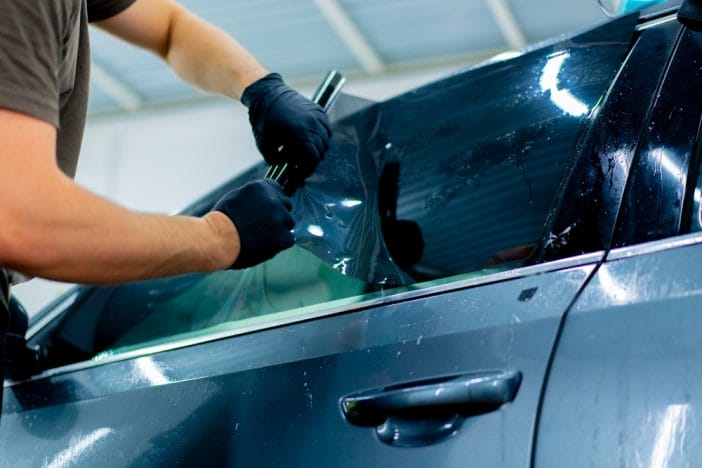
3. Excessive Window Tint That Obstructs Visibility
Dark window tint might look sharp and offer privacy, but it often crosses legal limits set for driver visibility. Police officers rely on being able to see inside a vehicle during traffic stops for safety reasons, so heavily tinted windows quickly attract attention. Most areas specify exact percentages for allowable tint on front, side, and rear windows.
Drivers who exceed those limits can expect tickets and orders to remove or replace the tint. Repeat violations may even lead to higher fines or additional scrutiny during future stops.
4. Ride Height Changes That Violate Safety Standards
Lowered or lifted vehicles can look dramatic, but extreme height modifications often violate safety regulations. A car that sits too low risks scraping the road, damaging infrastructure, or causing sparks that create hazards. On the other end, excessively lifted trucks can block visibility for other drivers and increase rollover risk. Police frequently stop vehicles with noticeable height changes to check compliance with local laws. If the modifications fail inspection, drivers may need to revert to factory specifications before returning to the road legally.
5. Missing or Modified Emissions Equipment
Performance upgrades often focus on speed and power, but removing emissions components creates serious legal issues. Catalytic converters, for instance, play a crucial role in reducing harmful pollutants, and tampering with them violates environmental laws in many places. Officers and inspection stations actively look for signs of emissions system modification, especially in regions with strict air quality standards. Fines for emissions violations can climb quickly, sometimes reaching hundreds or even thousands of dollars. Beyond the legal risks, these changes can also hurt resale value and make it harder to pass future inspections.
6. Illegal License Plate Placement or Covers
A license plate might seem like a minor detail, but improper placement or obscured visibility can trigger a stop in seconds. Tinted covers, reflective sprays, or creative mounting positions often make plates difficult to read, which violates basic registration laws. Police rely on clear plate visibility for identification and safety purposes, so anything that interferes with that process raises suspicion. Even decorative frames can become an issue if they block important information on the plate. Fixing these problems usually costs very little, making it one of the easiest violations to avoid.
When Custom Style Crosses Legal Lines
Car modifications offer a chance to express personality and improve performance, but every upgrade comes with responsibility. Laws exist to balance individual expression with public safety, and ignoring those rules can lead to costly consequences. Many drivers assume small changes won’t matter, yet even minor violations can stack up quickly during a single traffic stop. Staying informed about local regulations helps avoid unnecessary fines and keeps vehicles roadworthy. Smart modifications focus not just on style, but on staying fully compliant with the law.
Which vehicle modification do you think causes the most trouble with police—and has it ever happened to you? Give us your thoughts in the comments below.
You May Also Like…
Why Some Cars Are Getting Harder to Repair—Even for Experienced Mechanics
More Cars Are Being Targeted in Parking Lots—And It’s Not for the Reason You Think
10 Things Your Parents Told You About Driving That Are Now Illegal
5 Harmless Driving Habits That Could Cost You Your License
Why Cold Weather Is Driving Stress Test Failures in Men Over 55
Related Posts
-

The rise of technology brought a lot of great things into the world. Everyone has…
-

The used car market can feel like a treasure hunt. One driveway might hold a…
-

Every parent wants to believe their home is a safe space for their child—but even…
-

Property taxes are a fact of life for homeowners. You expect to pay for schools,…
-

Playing it safe might feel secure, but it rarely leads to greatness. Growth, confidence, and…
-

If your toddler has ever collapsed in a sobbing heap over the wrong color cup…
