
Caught With a Radar Jammer? These 2026 Laws Mean Hefty Fines and a Permanent Record
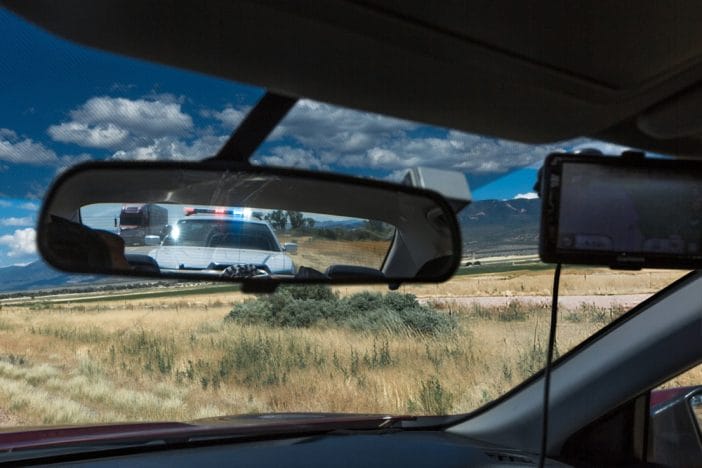
Speed enforcement just entered a whole new era, and drivers who rely on radar jammers now face far more than a simple traffic ticket. In 2026, lawmakers across multiple states and federal agencies tightened restrictions on electronic devices that interfere with police radar systems. These changes hit hard because they shift violations from minor infractions into serious legal offenses with long-term consequences. Many drivers still assume enforcement tools only lead to warnings or small fines, but that assumption now carries major risks. The legal system now treats radar interference as intentional obstruction, not a harmless shortcut.
Technology has advanced quickly, and law enforcement agencies have responded with upgraded detection systems and stricter penalties. Courts now view radar jamming devices as tools designed to disrupt public safety enforcement, which increases legal pressure on offenders. Drivers who ignore these changes often find themselves facing unexpected court appearances, expensive penalties, and permanent marks on their records. The stakes have risen sharply, and ignorance no longer offers protection.
What Radar Jammers Are and Why Lawmakers Target Them in 2026
Radar jammers actively block or distort signals used by police radar guns to measure vehicle speed. These devices differ from simple radar detectors because they interfere directly with enforcement equipment instead of passively warning drivers. Lawmakers view this interference as a direct threat to road safety because it undermines speed regulation systems. Police agencies report that even limited use can create dangerous enforcement gaps in high-risk traffic zones. As a result, regulators classify them as illegal electronic countermeasure devices under updated transportation codes.
In 2026, legislation targets both possession and usage, not just active deployment. Courts now treat ownership of a functioning jammer as intent to interfere with law enforcement. That shift expands legal exposure even when drivers do not activate the device on public roads. Legislators argue that strict rules help protect emergency zones, school areas, and high-traffic highways. This broader legal framework signals a clear message: interference technology now triggers serious consequences.
Why 2026 Laws Introduce Tougher Enforcement Than Ever Before
State and federal agencies coordinated enforcement strategies to eliminate loopholes that previously allowed partial compliance. Lawmakers responded to rising concerns about sophisticated aftermarket electronics that evade older regulations. The 2026 updates include stronger penalties and expanded authority for roadside inspections and vehicle searches. Police departments now receive specialized training to identify illegal interference equipment during routine stops. These changes reflect a nationwide push to strengthen accountability for electronic traffic violations.
New laws also emphasize intent, which means prosecutors no longer need proof that drivers actively used the device. Simply installing or storing a radar jammer inside a vehicle can trigger charges in many jurisdictions. Courts now prioritize deterrence, especially in areas with high accident rates linked to speeding violations. Legislators designed these policies to close gaps that previously made enforcement inconsistent. This legal shift transforms radar jammer cases into high-priority traffic offenses with criminal implications.
Hefty Fines That Can Drain a Driver’s Wallet Fast
Financial penalties for radar jammer violations in 2026 reach far beyond traditional speeding tickets. Many states impose fines ranging from several thousand dollars to significantly higher amounts for repeat offenses. Judges also add court fees, equipment forfeiture costs, and administrative penalties that increase total expenses quickly. Insurance companies often raise premiums sharply after a conviction, creating long-term financial strain. These combined costs turn a single violation into a multi-year financial setback.
Some jurisdictions also require mandatory vehicle inspections or compliance audits after a conviction. Drivers may face license suspension or mandatory traffic safety courses that add additional expenses. Law enforcement agencies also seize illegal devices, and courts rarely allow their return. These financial consequences aim to discourage even casual use of interference equipment. The result creates a powerful economic deterrent that reshapes driver behavior.
Permanent Records and Long-Term Legal Consequences
Radar jammer violations now appear on permanent driving and sometimes criminal records depending on jurisdiction. That classification affects background checks for employment, professional licensing, and insurance eligibility. Employers in transportation, logistics, and government sectors often view these offenses as serious compliance violations. Even a first offense can create long-term complications that extend beyond driving privileges. The legal system treats these violations as intentional interference with public safety operations.
Repeat offenders face escalating consequences, including possible misdemeanor or felony charges in severe cases. Courts may also impose probation or community service requirements tied to traffic safety programs. These penalties follow individuals for years and create barriers in both personal and professional settings. Legal experts emphasize that removing or sealing these records often proves difficult. This long-term impact makes radar jammer violations far more serious than many drivers initially realize.
How Law Enforcement Detects Radar Jammers on the Road
Police agencies now use advanced signal detection tools that identify interference patterns in real time. Patrol vehicles often carry equipment that scans for irregular radar frequency disruptions. Officers also rely on behavioral cues, such as sudden braking or unusual driving patterns near speed enforcement zones. Technology upgrades allow departments to pinpoint sources of interference more accurately than in previous years. These tools make detection far more reliable than many drivers expect.
Investigators also collaborate with federal agencies to track illegal electronic device sales and installations. Traffic stops often escalate quickly when officers detect suspicious equipment inside a vehicle. Search procedures now include specialized protocols designed specifically for electronic countermeasure devices. These methods significantly reduce the chances of escaping detection. Law enforcement continues to refine these systems to stay ahead of evolving technology.
Common Misconceptions Drivers Still Believe About Radar Jammers
Many drivers wrongly assume radar jammers operate in a legal gray area similar to older radar detectors. That belief creates dangerous misunderstandings about current traffic laws in 2026. Some also think that switching the device off prevents legal consequences, but possession alone often triggers penalties. Others believe enforcement officers cannot easily detect these devices, which no longer holds true. These misconceptions lead many drivers directly into legal trouble.
Another common myth suggests that small or portable devices escape regulation due to their size. Lawmakers specifically updated language to cover all electronic interference tools regardless of design. Drivers also underestimate how quickly fines and records accumulate after a single stop. Legal experts stress that misinformation often causes the most severe consequences. Awareness now plays a critical role in avoiding serious violations.
What Drivers Must Know Before Hitting the Road in 2026
Radar jammer laws in 2026 create a strict legal environment where enforcement technology receives strong protection. Drivers who attempt to bypass speed monitoring now face financial penalties, criminal records, and long-term consequences. Lawmakers designed these rules to prioritize road safety and reduce interference with law enforcement systems. Courts continue to reinforce these standards through consistent sentencing and strict compliance expectations. The message remains clear: electronic shortcuts no longer offer safe or legal advantages.
What do you think about these tougher radar jammer laws—too strict or necessary for safety on the roads?
You May Also Like…
Never Tell a Cop “I Know My Rights” — 5 Better Lines to De-escalate a Traffic Stop
7 Things You Should Never Admit During a Traffic Stop
Cops Say This One Item in Your Glovebox Could Get You Searched—Even If You’re Sober
10 Everyday Items That Can Be Used Against You in a Lawsuit
Related Posts
-

Replacing your own gutters might seem like a straightforward weekend project. After all, it can…
-

Walk through any American home and the shelves tell a familiar story: trusted kitchen…
-

A short time ago, I wrote a review of an eBook called "Save to Quit".…
-

Nutrition education in medical schools has come a long way, but not far enough. Despite…
-

If you opened your bank account this month and noticed your Social Security check is…
-

We all want to feel loved and understood. That’s why the idea of “love languages”…
