
Never Tell a Cop “I Know My Rights” — 5 Better Lines to De-escalate a Traffic Stop
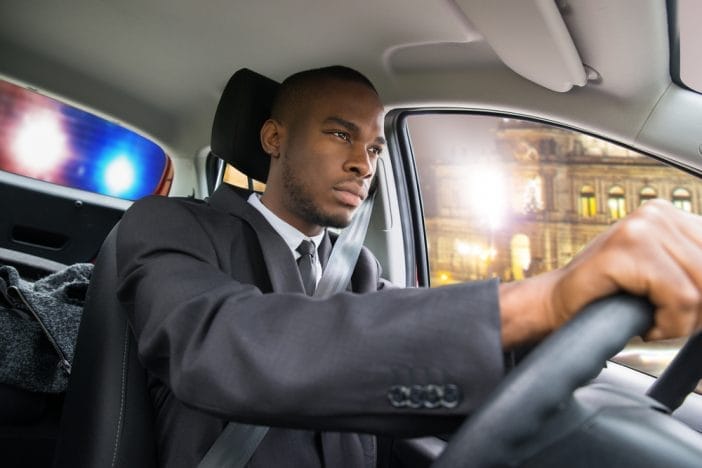
Traffic stops can turn tense in seconds, even during something as simple as a broken taillight or a rolling stop. Officers often arrive alert, focused, and prepared for unpredictability, which means tone matters just as much as words. Saying the wrong phrase can unintentionally raise tension, even when no one intends conflict. Calm communication helps shape the entire direction of the interaction. The goal always stays the same: stay safe, stay respectful, and resolve the situation without escalation.
Many drivers reach for the phrase “I know my rights” as a shield, but that line often triggers defensiveness instead of cooperation. Officers may interpret it as a challenge, especially in a high-stress moment on the roadside. That does not mean rights lose importance; it simply means timing and tone change outcomes. Better phrases exist that keep boundaries clear while lowering emotional heat.
1. “I want to stay calm and follow instructions.”
This line signals cooperation without surrendering personal boundaries. Officers often respond positively when drivers show steady emotional control. Calm words help reduce perceived threat levels during the initial approach. Stress rises quickly during traffic stops, so tone sets the pace early. This phrase helps anchor the interaction in safety instead of confrontation.
Traffic stops often start with confusion and adrenaline on both sides. A driver using this phrase gives the officer a clear message of cooperation while staying grounded. That small shift can prevent misunderstandings from spiraling. Officers deal with unpredictable encounters daily, so clear calm communication stands out. This approach helps both sides stay focused on resolution instead of tension.
2. “Can you please tell me why I was stopped?”
Clarity removes guesswork and keeps the conversation structured. Officers typically explain the reason for the stop once asked directly and respectfully. This phrase avoids accusations while still seeking information. Tone matters here, so calm delivery keeps everything steady. Clear communication prevents assumptions from escalating the situation.
Many drivers feel anxiety during silence, but filling that silence with respectful questions helps. Officers often appreciate directness when it comes without hostility. This question also helps drivers mentally organize what comes next. Confusion often fuels stress, so clarity reduces emotional pressure on both sides. A calm request for information often resets the tone of the entire stop.
3. “I’m going to keep my hands visible for everyone’s safety.”
Visibility plays a huge role in how officers assess risk during a stop. This phrase immediately communicates non-threatening intent. Officers train to watch hands closely, so this statement aligns with their priorities. Calmly stating this behavior reduces suspicion and builds trust. Safety language often smooths the interaction quickly.
In real roadside situations, small movements can create misunderstandings. A driver who verbalizes hand visibility removes uncertainty. Officers often deal with split-second decisions, so clear signals matter. This phrase does not argue or resist; it reassures. That reassurance can lower tension faster than any legal debate.

4. “I will provide my documents as soon as it’s safe to do so.”
Traffic stops often involve quick requests for license, registration, and insurance. This phrase acknowledges the request while prioritizing safety and timing. Officers appreciate predictable behavior during document retrieval. Calm explanation prevents sudden movements from being misread. Safety framing helps keep the interaction smooth.
Many drivers rush or panic when reaching for paperwork, which can create unnecessary stress. This line slows the moment down in a controlled way. Officers typically respond well when drivers communicate before moving. Clear intent reduces uncertainty in tight roadside environments. The result often feels more cooperative on both sides.
5. “I respect the process and will comply while we sort this out.”
Respectful language can significantly shape the tone of the interaction. This phrase shows cooperation while still acknowledging the situation. Officers often interpret respectful wording as de-escalation rather than resistance. Calm acceptance helps prevent unnecessary friction. Tone and phrasing often influence outcomes more than people realize.
Roadside encounters often involve paperwork, explanation, and discretion. A respectful statement helps keep the exchange steady throughout that process. Officers deal with high-pressure situations daily, so cooperation stands out. This phrase signals maturity and control without giving up rights. That balance often leads to a quicker, smoother resolution.
Why Words Matter More Than People Think During Traffic Stops
Traffic stops operate under pressure, where seconds and tone carry real weight. Officers assess behavior, body language, and speech patterns simultaneously. Drivers often focus on legal rights while forgetting emotional perception shapes the encounter. Calm language reduces misinterpretation and helps prevent escalation. Communication becomes the most powerful tool available in that moment.
Legal rights remain important, but delivery determines how those rights get expressed. Aggressive phrasing often shifts attention away from facts and toward tension. Simple, respectful wording keeps the interaction anchored in procedure instead of conflict. Real-world outcomes often depend on cooperation signals rather than debate. Smart communication keeps control in a situation that already feels unpredictable.
The Real Power Comes From Staying Calm, Clear, and Cooperative
Traffic stops move faster and safer when drivers prioritize calm communication over confrontation. Officers respond more predictably when they hear cooperation instead of challenge. Simple phrases can change the emotional temperature of the entire interaction. Every choice of words either builds tension or reduces it. Smart phrasing keeps focus on resolution instead of conflict.
What phrase feels most natural to use during a stressful traffic stop, and why? Give us your opinions, thoughts, and experiences below in the comments.
You May Also Like…
State Troopers Say Never Do This at a Traffic Stop — It Could Add 8 Points to Your License
7 Things You Should Never Admit During a Traffic Stop
Never Say These 3 Things When Cops Ask Where You’re Going — It Could Lead to a Search
Troopers Say These 9 Phrases Can Escalate a Winter Traffic Stop
Never Say These 3 Things When Cops Ask Where You’re Going — It Could Lead to a Search
Related Posts
-

Transforming your backyard can be tempting. It’s easy to picture summer barbecues, evenings by a…
-

Painting your house can provide an instant update to its curb appeal and interior comfort.…
-

Let me put it bluntly: not all used cars are created equal, and as a…
-

Lawn maintenance is an integral part of homeownership, offering both aesthetic appeal and functional benefits.…
-

The period after graduation can be pivotal, shaping your career trajectory. With numerous pathways available,…
-

Rising rents are a real concern for retirees living on fixed incomes. Many older adults…
