
Why Do So Many Men Resist A Good Haircut?
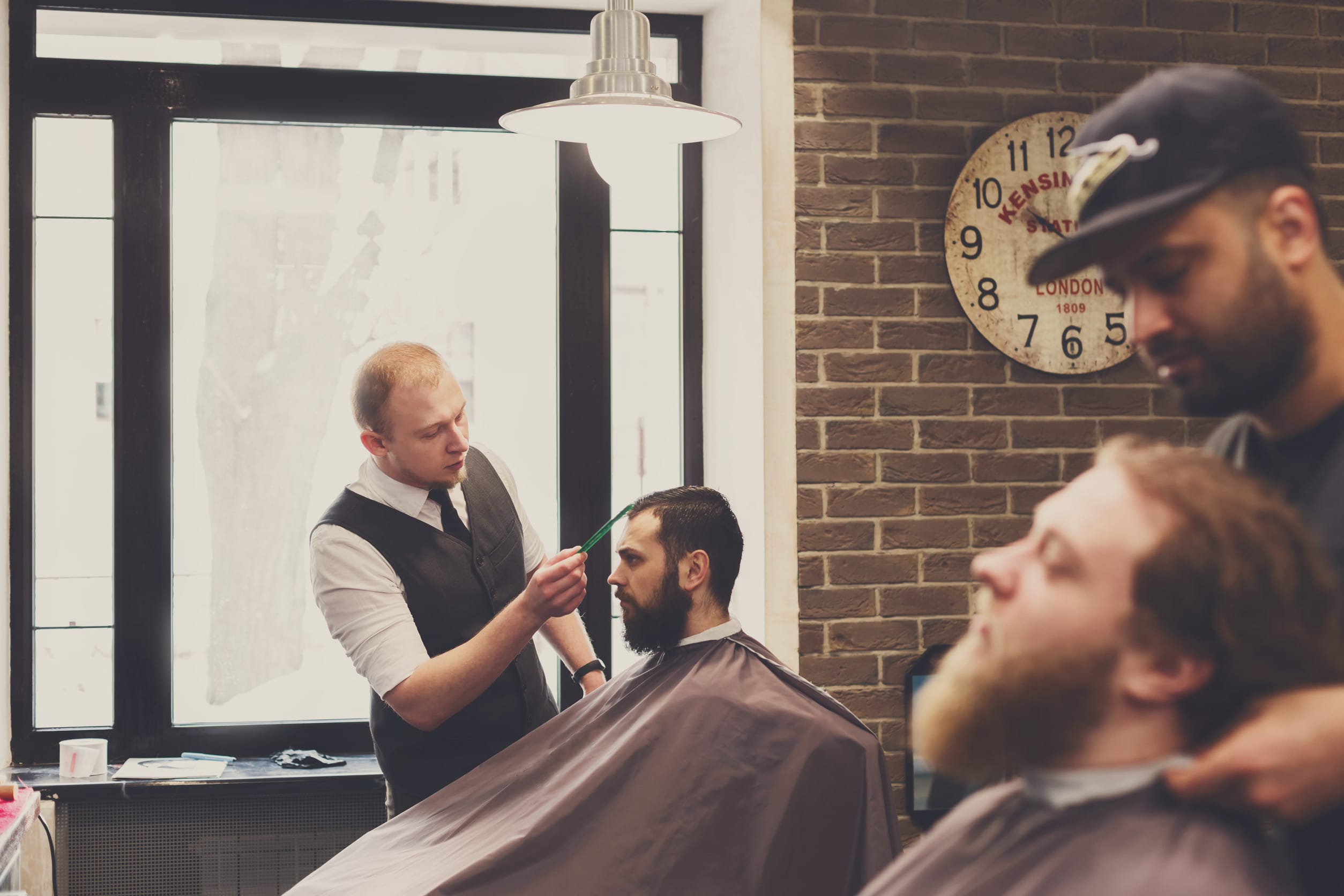
A man can complain about his hair for months, then defend the same haircut for another decade. He knows the sides puff out, the back grows into a small wilderness, and the barber keeps asking whether he wants the usual. Yet changing anything feels strangely risky.
Men resist a good haircut for several reasons, and stubbornness only explains part of the story. Hair carries memories, shapes identity, and influences how someone feels walking into a room. A bad haircut can also leave a man staring at an unfamiliar face for weeks. That makes the familiar, slightly scruffy option surprisingly appealing, even when a better style might suit him.
The real obstacle often isn’t the haircut itself. It’s everything a man thinks he might lose by changing it.
The Familiar Haircut Has Years Of History
Haircuts rarely begin as carefully researched style decisions. A teenager gets a short cut because a parent prefers it, a college student finds a barber near campus, or a young professional settles on something that looks acceptable for work. Eventually, convenience turns that first decent result into a permanent arrangement. The style becomes familiar enough that choosing anything else requires actual thought.
That familiarity can carry emotional weight, too. A particular hairstyle might remind someone of his twenties, his first serious job, or a period when he felt especially confident. Even if the cut no longer flatters his face, abandoning it can feel like admitting that a familiar version of himself belongs in the past. Nobody needs to make a dramatic announcement about personal growth just to get two inches taken off the top. Still, the attachment can run deeper than a barber’s appointment suggests.
A Bad Haircut Can Outlast A Bad Decision
Men who resist change often remember the haircut that went spectacularly wrong. Perhaps a barber took the sides too high, removed too much length, or interpreted “just a trim” as permission to redesign the entire head. Hair grows back, of course, but that fact offers little comfort when someone dislikes every photograph for the next month.
Hair also changes the proportions of a face. Shorter sides can make the top appear fuller, while removing too much volume can expose a thinning crown. A fringe can soften a forehead, and a poorly chosen length can emphasize features a man would rather balance. These effects vary with hair texture, density, growth patterns, and face shape. Someone who once left a salon feeling exposed may reasonably prefer a predictable cut over another experiment.
The problem starts when one disappointing experience becomes a permanent rule against trying anything new. A man doesn’t need an extreme makeover to test a different look. He can adjust the neckline, soften the sides, or leave slightly more length around the temples. Small changes give him room to judge the result without committing to a completely unfamiliar style.
The Mirror Creates A Different Kind Of Pressure
A haircut changes more than the hair itself. It changes the face someone sees in the mirror, sometimes enough to make familiar features look unfamiliar for a few days. Men who rarely think about grooming may feel especially uncomfortable with that adjustment. They didn’t ask to spend the morning inspecting their forehead from three different angles, yet there they are.
Appearance also connects with confidence, although not every man cares about looking fashionable. Some prefer a practical, low-maintenance style that doesn’t attract attention. Others associate a sharper cut with corporate culture, youth, or a polished image they don’t particularly want to project. A fashionable haircut can look excellent on somebody else and still feel wrong on the person wearing it.
Personal style doesn’t require chasing every new fade or copying a celebrity’s hairstyle. A haircut should complement the wearer’s preferences, not turn his bathroom mirror into a daily performance review. Sometimes resistance reflects a sensible desire to look like himself rather than somebody else’s idea of a well-groomed man.
Thinning Hair Makes The Decision More Personal
For some men, haircut resistance grows as their hairline changes. A receding hairline or thinning crown can make familiar styles harder to maintain, especially when a man has spent years relying on length to cover sparse areas. Cutting that length feels like surrendering an option, even if the existing style no longer behaves as expected.
Hair loss also develops gradually for many men, giving them time to adjust their styling habits without necessarily accepting the change emotionally. The American Academy of Dermatology notes that male-pattern hair loss can begin in early adulthood and progress over time. A new cut may help someone work with his current hair rather than constantly repositioning a part or trying to conceal a thinning spot. However, a haircut cannot treat the underlying cause of hair loss.
Men don’t need to embrace a shaved head simply because their hair has started thinning. A skilled barber can discuss options that suit the remaining density, hairline, and preferred length. If hair loss appears sudden, patchy, or otherwise concerning, a dermatologist can help identify its cause. Grooming choices and medical treatment address different problems, and confusing the two can lead to frustration.
“Just A Trim” Is A Recipe For Miscommunication
Some men blame their barber for bad haircuts without realizing how little information they provided. “Make it look good” sounds perfectly reasonable until two people picture entirely different results. One imagines a conservative taper, while the other pictures a dramatic fade. Neither person necessarily misunderstands haircuts; they simply started with different expectations.
A better conversation doesn’t require memorizing barber terminology. Bring a photograph that resembles the desired result, then explain what you like about it. Specify how short the sides should feel, how much length you want to keep on top, and which areas the barber shouldn’t cut too aggressively. Mention practical annoyances, too, such as a crown that sticks up or hair that falls into your eyes.
A photograph also needs context. Someone with thick, straight hair won’t necessarily get the same result as someone with fine, curly hair, even with an identical cut. Tell the barber how much time you spend styling your hair and whether you use any products. That information helps the barber suggest a realistic variation instead of a style that requires a daily routine you never wanted.
Most importantly, speak up before the clippers start. Ask the barber to confirm the planned length, and request a conservative first adjustment if you’re nervous. You can always remove more hair during the appointment. You cannot ask for yesterday’s length back.
Convenience Can Beat Style Every Time
A haircut that looks fantastic after a professional blow-dry might become an irritating project at home. Some styles require regular trims, specific products, or several minutes of work each morning. A man who showers, combs his hair with his fingers, and heads out the door may have little interest in maintaining a sculpted finish.
Cost and scheduling also influence grooming decisions. Frequent visits can become inconvenient for someone with a demanding work schedule, limited access to a preferred barber, or a tight personal budget. A low-maintenance cut might look less polished immediately before the next appointment, but it can remain manageable for longer. That trade-off may suit the owner’s life better than a perfectly sharp fade that needs constant upkeep.
Before choosing a different style, consider how it will look two or three weeks later. Ask how often it needs trimming, whether it requires styling products, and how it behaves as it grows. The best haircut isn’t necessarily the one that looks most impressive when the barber spins the chair toward the mirror. It’s the one that still works on an ordinary Tuesday morning.
A Better Haircut Starts With A Smaller Risk
Men don’t have to abandon a familiar hairstyle to improve it. They can ask for a cleaner neckline, a more flattering shape around the ears, or a little less bulk where the hair expands. These modest adjustments preserve the general look while giving the barber a chance to refine it. If the result works, the next appointment can build on that progress.
It also helps to judge a haircut after washing and styling it at home, rather than relying entirely on the salon finish. Hair can settle differently once it dries naturally, and a new shape may take a little time to feel familiar. If something consistently looks wrong, explain the specific problem at the next appointment instead of simply requesting the same cut forever.
What do you think makes men reluctant to change their hairstyles: a bad past haircut, concerns about thinning hair, or simply the hassle of finding a style that works? Share your thoughts in the comments.
You May Also Like…
8 Grooming Mistakes That Can Make a Man Look Older Than He Is
Going Bald? 7 Hairstyles That Usually Work Better Than Trying to Hide It
How an Decades-Old Medication is Showing Promise for Hair, Heart, and Prostate Health
6 Hairstyles That Scream Midlife Crisis on First Sight
6 Innocent Hair Products That Quietly Cause Skin Cancers
Related Posts
-

What if a medicine you thought of as “old news” suddenly showed up in new…
-

As fall approaches, it’s the perfect time to refresh your man cave with seasonal elements…
-

It's been an interesting week as a parent in the CleverDude household. Last weekend I…
-

It’s not just a lazy weekend thing anymore. More men are skipping their daily showers,…
-

If you're like many other Americans, you've been hit by winter storms two weekends in…
-

When you think about the hobbies that bring men together, few are as universally magnetic…
