
The One Kitchen Renovation That Can Lower Your Home Value Instantly

A kitchen remodel usually promises higher resale value, stronger buyer interest, and that satisfying “wow” factor. Yet one specific type of renovation flips that expectation upside down and can drag a home’s value down fast. Over-personalized, ultra-trendy kitchen remodels often scare buyers away instead of attracting them. Buyers walk into a kitchen and immediately picture their own life in the space, not someone else’s design experiment. When a kitchen feels too customized, it stops feeling like a home and starts feeling like a costly project waiting to happen.
Real estate agents consistently report that certain kitchen choices reduce offers or extend time on the market. A renovation that looks incredible on social media can feel risky in real life when it removes function or flexibility. Buyers care about long-term usability, not just visual drama. Kitchens sit at the center of home value discussions, so even small design decisions carry heavy financial weight. One wrong renovation direction can quietly erase thousands from a home’s perceived worth.
Over-Personalized Luxury Kitchens That Cross the Line
Over-personalized luxury kitchens destroy value when design choices prioritize individuality over broad appeal. Bold color schemes, unconventional layouts, and hyper-specific materials often shrink the pool of interested buyers. A kitchen painted matte black with gold-veined stone might look stunning in a magazine, but many buyers immediately calculate the cost of replacing it. Ultra-custom cabinetry built for one specific cooking style often confuses buyers who want flexibility, not limitations. Even high-end finishes lose appeal when they lock a kitchen into one narrow aesthetic.
Design trends shift fast, and kitchens built around short-lived styles age quickly. Open shelving overload, oversized waterfall islands, or industrial-style concrete counters can overwhelm buyers who want practicality. Real estate professionals often see buyers mentally subtract renovation costs the moment they spot extreme customization. That mental math lowers offers before negotiations even begin. A kitchen stops adding value when buyers see it as a future demolition project instead of a move-in-ready asset.
Why Buyers Instantly Pull Back From Trend-Heavy Kitchens
Buyers react strongly to kitchens that lean too hard into trends because they fear rapid obsolescence. A kitchen designed around a viral style often signals expensive updates within just a few years. Families want kitchens that survive daily wear, not spaces that require constant redesign to stay relevant. When buyers imagine ripping out brand-new features, they immediately reduce their offer price. That reaction hits especially hard in mid-range housing markets where budgets already feel tight.
Functionality also takes a hit when style dominates decision-making. Excessive built-in gadgets, unusual storage systems, or niche layouts can confuse buyers who prioritize efficiency. A kitchen should support cooking, cleaning, and gathering without requiring a learning curve. When buyers struggle to imagine themselves using the space comfortably, they mentally downgrade the home. That downgrade often translates into fewer showings, lower bids, and longer time on market.
The Hidden Red Flags Realtors Spot Right Away
Real estate agents often identify value-damaging kitchens within seconds of walking through a home. They notice when renovations eliminate practical storage, reduce counter space, or replace durable materials with fragile showpieces. Agents also flag kitchens that ignore neighborhood standards because luxury overreach rarely matches local price ceilings. A $40,000 kitchen upgrade in a modest neighborhood rarely returns full value at resale. Buyers compare homes within the same area, not against luxury design magazines.
Inspection reports also expose problems that stylish kitchens sometimes hide. Overly complex plumbing setups, relocated appliances, or unconventional electrical work can raise red flags during closing. Buyers grow cautious when they sense that beauty overrides practicality. Even minor repair concerns can snowball into negotiation pressure when the kitchen already feels risky. Realtors know that once doubt enters a buyer’s mind, pricing power shifts quickly away from the seller.
What Smart Kitchen Renovations Do Instead
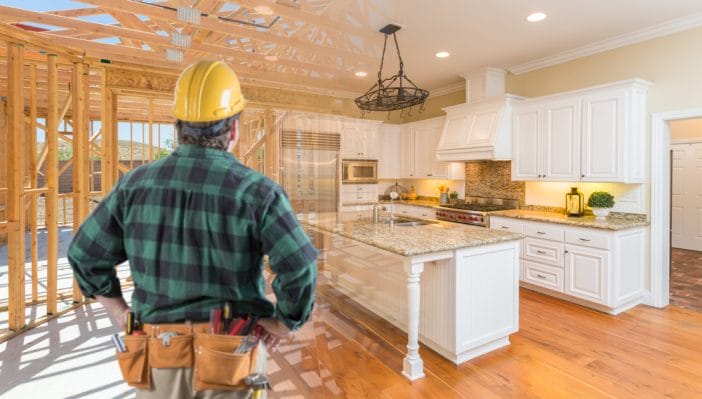
Smart kitchen renovations focus on durability, neutrality, and long-term usability instead of bold personal statements. Neutral color palettes like whites, soft grays, and warm earth tones attract the widest range of buyers. Standard layouts that prioritize flow between sink, stove, and refrigerator create comfort for almost every household. Quality materials like quartz countertops, solid wood cabinets, and durable flooring signal long-term value. Buyers respond strongly when a kitchen feels ready for immediate everyday use.
Storage also plays a major role in protecting home value. Deep drawers, practical pantry space, and well-planned cabinetry help buyers picture themselves living in the home without stress. Even small upgrades like modern hardware or energy-efficient appliances can boost perceived value without overwhelming design risks. Real estate professionals consistently recommend function-first renovations over dramatic aesthetic overhauls. A kitchen that supports real life always outperforms a kitchen that only performs for photos.
The Kitchen Choice That Protects Resale Power
The most dangerous kitchen renovation does not come from low budgets or outdated materials, but from overconfidence in bold design choices. Over-personalization pushes buyers away, shrinks offers, and creates hidden costs during resale negotiations. A kitchen should invite buyers in, not challenge them to imagine expensive changes. Homes gain strength in the market when kitchens balance style with simplicity and function. Every design choice should support long-term flexibility instead of locking the space into one narrow vision.
What kitchen feature do you think adds the most value without risking resale appeal? Share your thoughts in the comments below.
You May Also Like…
Never Leave This on Your Kitchen Counter — Fire Inspectors Say It’s the #1 Cause of House Fires
How to Create a Sleek, Clean, Modern Kitchen Look
HVAC Techs Say Homeowners Keep Ignoring This Expensive Summer Warning Sign
USDA’s Home Repair Grants and Loans Could Transform Your Fixer-Upper
Is Investing in a Kitchen Renovation Worth it?
Related Posts
-

Loneliness is a universal human experience, but there’s a quiet epidemic that’s hitting men especially…
-

Updated on 7/10/2026. Editor’s Note: Drew Blankenship has spent decades working on and maintaining vehicles.…
-

Online shopping keeps getting easier, but scammers keep getting bolder. Florida dads who shop for…
-

A $1 million life insurance policy sounds like a rock-solid safety net, but approval never…
-

Have you ever found yourself in a relationship where things didn’t feel quite right, but…
-

Buying a new car feels good. It’s a big purchase, and for many men, it’s…
