
HVAC Techs Say Homeowners Keep Ignoring This Expensive Summer Warning Sign
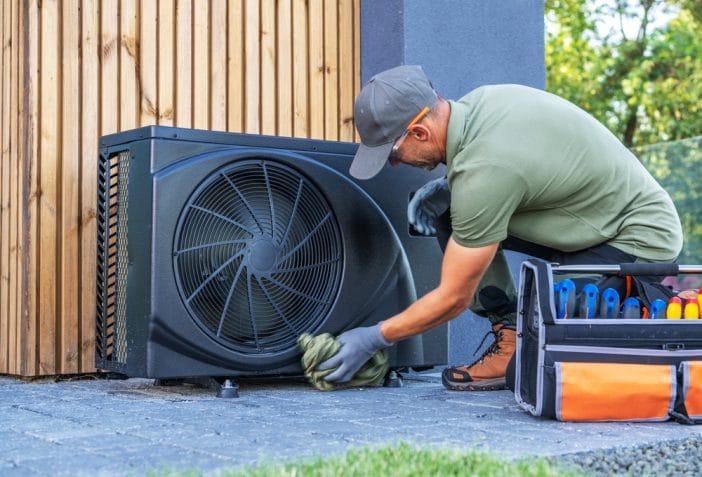
Summer heat pushes air conditioners to their limits, and HVAC technicians keep spotting the same costly mistake every year. Homeowners often dismiss early warning signs that their cooling systems struggle under pressure, only to face massive repair bills later. A small change in airflow or cooling performance can signal a deeper issue inside the system.
HVAC pros warn that ignoring these clues can turn a simple fix into a full system breakdown. The biggest problem starts when homeowners assume their AC “just needs to work harder” instead of investigating the real cause.
The Summer Warning Sign HVAC Techs Notice First
HVAC technicians often point to one major red flag during summer service calls: short cycling combined with weak airflow. The system turns on and off too quickly, which prevents proper cooling and puts strain on critical components. Homeowners usually notice uneven temperatures in different rooms before anything else. Warm air creeping from vents often signals that the system struggles to maintain pressure. This pattern almost always indicates a deeper issue that demands attention.
Technicians explain that this warning sign often connects to clogged coils, low refrigerant levels, or failing capacitors inside the unit. Each of these issues forces the system to work harder while delivering less cooling power. The compressor suffers the most damage during these cycles, which leads to expensive repairs if the problem continues. Homeowners often mistake this behavior for “normal summer strain,” but HVAC systems should not constantly restart in short bursts. Recognizing this pattern early helps prevent costly damage and keeps cooling performance stable.
Why Homeowners Miss the Early Clues
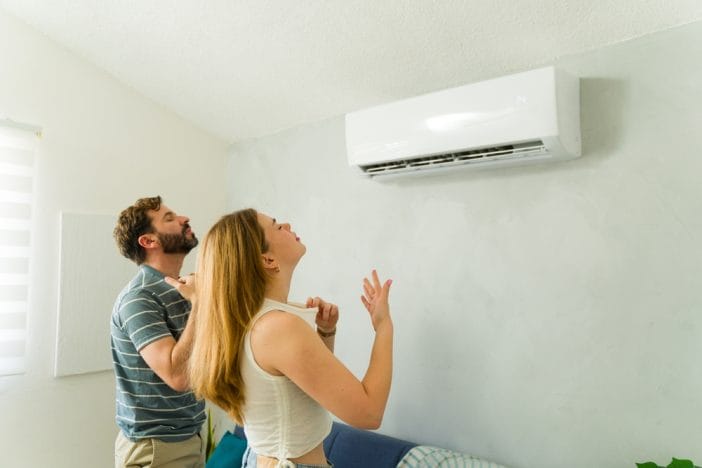
Most homeowners overlook early HVAC warning signs because the changes seem small at first. A slightly higher energy bill or a room that feels “a bit off” rarely raises immediate concern. People often assume outdoor heat explains every indoor comfort issue during summer. That assumption delays action and allows mechanical problems to grow worse inside the system. HVAC experts say this delay ranks as one of the most expensive mistakes homeowners make.
Another reason comes from how gradually the symptoms appear over time. The system does not usually fail all at once, so families adjust without realizing performance has dropped. Weak airflow slowly becomes “normal,” even though it signals restricted circulation or failing components. Strange noises or longer cooling cycles also get dismissed as temporary issues. By the time homeowners call for service, the system often already faces serious stress.
What This Problem Costs If Ignored
Ignoring short cycling and airflow issues can lead to serious financial consequences within a single summer season. Energy bills often climb by 20 to 40 percent when an AC system struggles to run efficiently. The compressor, which acts as the heart of the system, faces extreme wear during repeated restarts. Once it fails, replacement costs can reach thousands of dollars depending on the unit size. Many homeowners end up replacing entire systems years earlier than expected because of this preventable issue.
Repair technicians also warn that refrigerant-related problems can escalate quickly when left untreated. Low refrigerant forces the system to run longer cycles while delivering weaker cooling results. That imbalance increases the risk of frozen coils, which can shut down the entire unit during peak heat. Emergency repairs during heatwaves often cost significantly more due to high demand for service calls. Acting early almost always costs less than waiting for a full breakdown.
Simple Checks That Can Prevent a Breakdown
Homeowners can catch many early HVAC issues with a few simple routine checks during the summer. Air filters should stay clean and replaced regularly because clogged filters restrict airflow and trigger system strain. Vents around the home should remain open and unobstructed to maintain proper circulation. Outdoor condenser units also need clear space around them to release heat efficiently. These small steps help the system maintain balanced performance under heavy summer loads.
Listening closely to how the system runs also reveals early warning signs before serious damage occurs. A healthy AC system should run in steady cycles without frequent restarting or abrupt shutoffs. Uneven cooling between rooms often signals airflow problems that need attention. Scheduling a seasonal HVAC inspection helps catch refrigerant issues, worn parts, or electrical weaknesses before they escalate. Preventive maintenance consistently costs less than emergency repairs during peak summer demand.
Protecting Comfort Before Peak Heat Hits
Summer HVAC problems rarely appear overnight, but they often escalate quickly when ignored. Short cycling, weak airflow, and rising energy bills usually point to developing system strain that demands attention. Homeowners who act early avoid expensive compressor damage and sudden system failures during extreme heat. Regular maintenance and early inspections create a stronger, more reliable cooling system. HVAC professionals consistently stress that prevention always beats emergency repair when temperatures soar.
Have you noticed any early HVAC warning signs in your home this summer? Share your thoughts and experiences in the comments below.
You May Also Like…
How an Inefficient HVAC System Drives Up Your Monthly Costs
Signs Your HVAC System Is About to Fail (And What to Do Before It Happens)
10 HVAC “Hacks” That Could Cost You Thousands Later
How to Tell If Your HVAC System Is Costing You Too Much
Cutting Energy Costs with Smart HVAC Choices
Related Posts
-

Kids who believe their abilities can improve through effort are more likely to stay motivated,…
-

We’ve all heard that a new car loses value the moment it’s driven off the…
-

Divorce is rarely easy, but in some cities, the process drags on much longer than…
-

Let’s face it—navigating social expectations can feel like walking a tightrope, especially for men. While…
-

I recently asked about your opinion of "rich" and got a range of responses. Some…
-

Movie tickets are expensive enough, but add in popcorn, drinks (of the soft or adult…
