
USDA’s Home Repair Grants and Loans Could Transform Your Fixer-Upper

Fixer-uppers often come with more than charm—they come with leaking roofs, outdated wiring, and repair bills that pile up fast. The USDA steps into this gap with programs designed to help eligible homeowners fix serious issues without draining savings accounts. These programs target safety, accessibility, and livability so families can stay in their homes longer. Many homeowners overlook this support simply because they assume it only applies to farms or remote rural properties. In reality, the USDA Single Family Housing Repair Loans and Grants program reaches thousands of everyday homeowners who qualify based on income and location.
These options matter right now because repair costs keep climbing across North America. Contractors report rising material prices, and even small projects can turn into major expenses. A broken furnace or damaged roof can quickly turn into an emergency situation that forces tough financial decisions. USDA programs step in as a stabilizer by offering low-interest loans and, in some cases, outright grants for qualifying seniors. That combination makes homeownership more realistic for families who want to stay put and improve their living conditions instead of relocating.
How USDA Home Repair Loans and Grants Actually Work Behind the Scenes
The USDA Home Repair program offers two main forms of support that serve different needs. Loans help eligible homeowners cover repairs, improvements, or modernization projects that keep a home safe and functional. Grants focus specifically on elderly homeowners who need to remove health or safety hazards but cannot repay a loan. Applicants must meet income requirements and live in eligible rural areas defined by the USDA. This structure ensures the assistance reaches households that struggle most with repair costs.
Loan amounts can reach up to $40,000 with a fixed interest rate that stays affordable compared to many private lending options. Grants can provide up to $10,000 for qualified homeowners aged 62 or older who face severe housing risks. The USDA also allows combining a loan and grant when repairs exceed grant limits but still fall within eligibility rules. These funds typically cover essentials like roofing, plumbing, electrical systems, heating, and structural safety. Homeowners gain financial breathing room while improving both safety and property value.
Who Qualifies and Why Eligibility Rules Matter More Than People Realize
Eligibility depends heavily on household income, which must fall below the median level for the local area. The USDA also requires applicants to own and occupy the home as their primary residence. Location plays a major role since the program focuses on rural communities, small towns, and suburban areas outside major metro zones. Credit requirements stay flexible, especially for grants, because the program prioritizes safety over financial history. These rules help direct funds toward homeowners who face limited lending options elsewhere.
Age becomes a key factor for grants, since homeowners aged 62 and older often struggle with fixed incomes and rising maintenance costs. The USDA evaluates whether the home contains hazards like unsafe wiring, leaking roofs, or accessibility barriers. Applicants must also show they cannot secure affordable credit through traditional lenders. This ensures the program supports people who truly need government-backed assistance. Clear documentation and accurate income reporting speed up the approval process significantly.
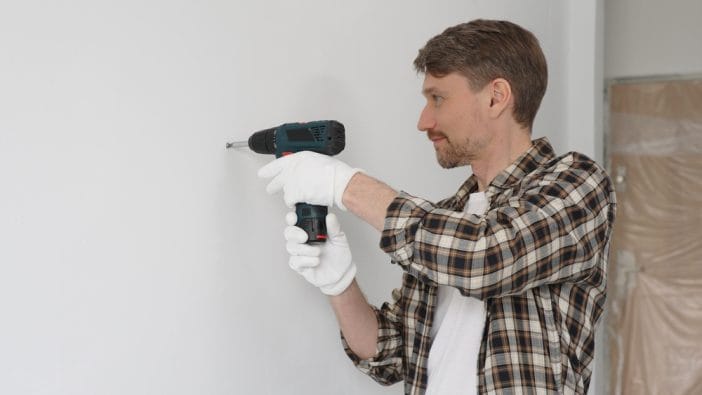
What Home Repairs the USDA Actually Covers in Real Life Situations
USDA funds cover repairs that directly affect health, safety, or structural stability inside the home. Common projects include replacing failing roofs that allow water damage and mold growth. Electrical upgrades often qualify when outdated systems create fire risks or power instability. Plumbing repairs also receive approval when leaks or pipe failures threaten sanitation or structural integrity. These improvements help prevent small issues from turning into costly disasters.
The program also supports accessibility modifications for elderly or disabled homeowners. Installations like wheelchair ramps, bathroom modifications, and widened doorways improve daily safety and independence. Heating and cooling system replacements also qualify when systems fail or pose health risks during extreme weather. Homeowners often combine multiple repair types under one application to maximize funding efficiency. These updates strengthen long-term property stability while improving day-to-day living conditions.
Why USDA Assistance Can Change the Math for Fixer-Upper Homeowners
Traditional home renovation loans often come with higher interest rates and strict credit requirements that shut many homeowners out. USDA programs shift that equation by offering low-cost or no-cost options depending on eligibility. This approach reduces financial pressure and allows homeowners to prioritize necessary repairs instead of delaying them. Property values often rise after major safety upgrades, which strengthens long-term financial stability. Families also gain peace of mind knowing their homes meet basic safety standards.
The emotional impact matters just as much as the financial side in many cases. Homeowners avoid the stress of moving or abandoning properties due to repair costs. Communities also benefit when residents stay in place and maintain local housing stock. Contractors often see more consistent work in areas where USDA programs support renovation activity. This ripple effect strengthens both household finances and local economies over time.
Turning Government Support Into Real Home Improvements That Last
USDA home repair programs create a practical path for homeowners who face expensive repair needs but lack traditional financing options. The combination of grants and loans gives flexibility that adapts to different income levels and household situations. Clear eligibility rules ensure funds reach the right people while keeping the program sustainable. Homeowners who act early often secure funding before small issues turn into major structural problems. This approach turns aging or damaged homes into safer, more stable living spaces without overwhelming financial strain.
What would change most in your home if repair costs suddenly became manageable instead of overwhelming?
You May Also Like…
6 of the Newest Smart-Home Gadgets That Save Men’s Lives
Why More Americans Are Installing Cameras Inside Their Homes—and What They’re Catching
Why Some Americans Are Removing Smart Devices From Their Homes Completely
People Are Hiding Cash in Their Homes Again—And It’s Not for the Reason You Think
10 Car Repair Skills Baby Boomers Had by Age 18 That Are Practically Gone Today
Related Posts
-

Most people don’t think about the day they’ll have to stop driving. It feels far…
-

I was an educator for over a decade. Many a time I have sat in…
-

A $1 million life insurance policy sounds like a rock-solid safety net, but approval never…
-

Most people assume that once a loved one leaves them an inheritance, it’s locked in.…
-

Arguments are natural in every relationship, but the way they’re handled often makes or breaks…
-

Retirement should be a time to relax, not worry about bills. But for many, property…
