
10 Car Repair Skills Baby Boomers Had by Age 18 That Are Practically Gone Today

There was a time in America when a teenager could pop the hood and actually know what they were looking at. Engines did not hide behind plastic covers and computer systems did not control every tiny movement. Back then, drivers often learned car repair right alongside learning how to drive, especially in suburban driveways and garage workshops. Many Baby Boomers picked up hands-on mechanical skills before they even finished high school. That early exposure created a generation of drivers who could diagnose, fix, and rebuild with confidence.
Today’s cars bring incredible safety, fuel efficiency, and convenience, but they also changed how people interact with engines. Modern vehicles rely heavily on sensors, software, and sealed systems that limit DIY access. As a result, many once-common repair skills have faded into rarity. These ten abilities highlight just how much has shifted in just a few decades of automotive evolution.
1. Tinkering With Carburetors to Keep Engines Running Smoothly
Carburetors once controlled how fuel mixed with air, and many teens learned to adjust them by hand. A slight twist of a screw could change how smoothly an engine idled or how efficiently it burned fuel. Baby Boomers often learned to clean jets and balance fuel mixtures in backyard garages. Mechanics valued this skill because a well-tuned carburetor kept older cars alive longer. Modern fuel injection systems removed that hands-on adjustment entirely.
Today’s drivers rarely see a carburetor outside of classic car shows. Electronic systems handle fuel delivery with precision that leaves little room for manual tuning. That shift removed a major entry point into mechanical learning. Many young drivers never experience the trial-and-error learning process that once built confidence under the hood. This skill now lives mostly among vintage car enthusiasts.
2. Setting Engine Timing Without a Computer Doing the Work
Engine timing once required careful adjustments using timing lights and a trained ear. Teen mechanics often learned how to align distributor components while the engine idled in the driveway. Even a slight misalignment caused rough performance or stalling, so precision mattered. Many Baby Boomers remember spending hours adjusting timing by trial and observation. That process built a deep understanding of how combustion actually worked.
Modern vehicles automate timing through onboard computers that adjust instantly. Sensors now handle adjustments faster than any human hand could match. This advancement improved performance and reduced breakdowns. However, it also removed a key educational experience for young drivers. The skill now feels almost like a lost art.
3. Replacing Points and Condensers in Ignition Systems
Older ignition systems used points and condensers that wore out regularly. Teenagers often learned how to file, replace, and reset these components to keep engines firing. A misstep could leave a car stranded, so accuracy mattered in every repair. This task taught patience and mechanical awareness at an early age. Many drivers today never even hear those terms in driver education.
Electronic ignition systems replaced these fragile components with solid-state technology. Cars now start more reliably and require less frequent maintenance. That change reduced roadside breakdowns but also reduced hands-on learning opportunities. Many mechanics now specialize instead of learning these basics early. The skill has largely disappeared from everyday life.
4. Mastering Basic Manual Transmission Clutch Repairs
Manual transmissions once dominated American roads, and clutch repairs came with the territory. Many teens learned how clutch plates wore down and how to replace them with basic tools. The work required strength, coordination, and mechanical intuition. Drivers often learned through family mentorship in home garages. This skill created a strong bond between driver and machine.
Automatic transmissions now dominate the market, especially in the United States. Fewer drivers even learn how a clutch feels in normal driving. That shift reduced the need for hands-on clutch maintenance skills. Repair shops now handle nearly all transmission work. The knowledge now feels specialized instead of common.
5. Rebuilding Small Engines in the Garage
Many Baby Boomers learned how to rebuild engines piece by piece before adulthood. They cleaned pistons, replaced gaskets, and reassembled blocks using basic tools. This process taught patience and deep mechanical understanding. Mistakes often meant starting over, which built resilience and attention to detail. Families often turned engine rebuilds into weekend projects.
Today’s engines come tightly sealed and computer-controlled, making full rebuilds rare for amateurs. Repair shops often replace engines instead of rebuilding them. This shift reduced both time and technical learning opportunities. Many young drivers never see internal engine components up close. The skill now belongs mostly to professionals and collectors.
6. Diagnosing Problems by Listening to Engine Sounds
Experienced drivers once identified problems by listening carefully to engine noises. A knock, rattle, or sputter often pointed directly to a specific issue. Teen mechanics trained their ears through repetition and hands-on experience. This skill saved time and reduced unnecessary repairs. It also built confidence in diagnosing mechanical issues.
Modern diagnostics rely on scanners that read error codes instantly. Mechanics now plug into a port instead of listening under the hood. While this improves accuracy, it reduces sensory learning. Many drivers no longer connect sound with mechanical health. The “ear for engines” has become increasingly rare.
7. Gapping and Replacing Spark Plugs by Hand
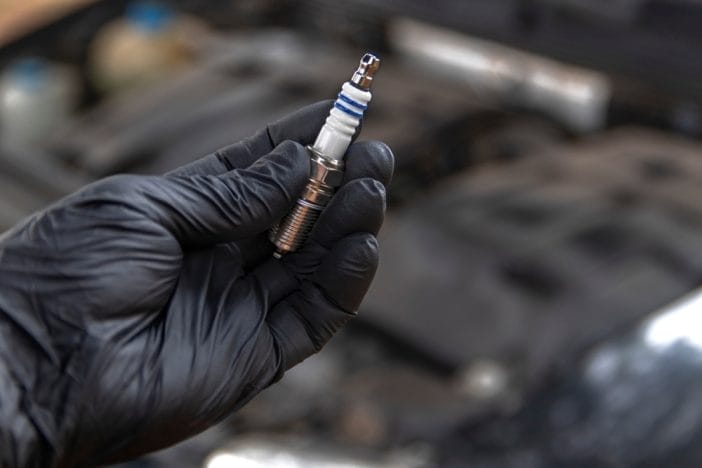
Spark plugs once required regular inspection and precise gap adjustments. Many teens learned how to use feeler gauges and adjust spacing for optimal ignition. This small task played a big role in engine performance. Families often taught this skill during routine maintenance sessions. It served as a gateway into deeper mechanical understanding.
Modern spark plugs last much longer and require less frequent adjustment. Many engines now make plug access difficult due to compact design. Mechanics often replace them during scheduled service instead of tuning them manually. That change removed a simple but important learning step. The skill now appears mostly in older vehicle maintenance.
8. Adjusting Drum Brakes for Proper Stopping Power
Drum brakes once required regular adjustment to maintain safe stopping distance. Teen drivers often learned how to remove wheels and fine-tune brake tension. This process demanded careful attention because safety depended on accuracy. Many learned through supervised practice in home garages. It built a strong understanding of vehicle safety systems.
Disc brakes replaced most drum systems due to better performance and reliability. Modern braking systems often adjust automatically. That advancement improved safety but reduced hands-on maintenance. Few drivers today ever touch brake internals. The skill now lives mainly in older vehicle restoration work.
9. Changing Oil Without a Drive-Thru Service Stop
Oil changes once served as a rite of passage for young drivers. Many teens learned how to drain oil, replace filters, and refill engines at home. This task taught responsibility and routine maintenance habits. Families often treated it as a shared learning experience. It built a practical foundation for vehicle care.
Quick-lube services and dealership maintenance programs now handle most oil changes. While convenient, they reduce hands-on exposure to engine care. Many drivers now rely entirely on service schedules. That shift reduces mechanical confidence over time. The skill still exists but appears less frequently in everyday life.
10. Troubleshooting Electrical Systems With Basic Tools
Older vehicles used simpler electrical systems that drivers could diagnose with a test light or multimeter. Teens often traced wiring issues like broken fuses or loose connections. This work required logical thinking and patience. Many learned through trial and error in home garages. It helped build confidence in solving technical problems.
Modern cars use complex computer networks that require specialized diagnostic tools. Electrical issues now often require software analysis rather than simple testing. That complexity makes DIY troubleshooting more difficult. Mechanics now train extensively to handle these systems. The skill has shifted from basic to highly technical.
What These Lost Skills Say About Today’s Driving World
Car repair once served as a rite of passage that built confidence, independence, and mechanical understanding. Today’s vehicles deliver unmatched convenience and safety, but they also separate drivers from the inner workings of their machines. That gap changes how people learn, troubleshoot, and interact with cars in everyday life. Many of these once-common skills still hold value, especially for classic car enthusiasts and hands-on learners.
What skill from this list feels most surprising or worth bringing back in today’s world of modern vehicles?
You May Also Like…
Car Repair Delays Are Getting Worse—You Could Wait Weeks Due to a Nationwide Technician Shortage
The Car Repair Scams Mechanics Don’t Want Men To Know and How To Protect Yourself
Smart Automotive Choices That Can Lower Your Long-Term Vehicle Costs
5 Car Engines That Changed Automotive History
Why Some Cars Are Getting Harder to Repair—Even for Experienced Mechanics
Related Posts
-

Retirement can be a major transition for men, bringing both freedom and unexpected challenges. One…
-

Roundabouts have started appearing at intersections that once relied on stop signs and traffic lights,…
-

We often think of snacks as harmless pick-me-ups, but what we eat between meals might…
-

When your home appears too bland, moving isn't an option, or you want to sell…
-
![How are we not frugal [Personal Account]](https://ez3ykfnip4f.exactdn.com/images/clever-dude-ph1.jpg?strip=all&w=1920)
Recently I've been writing a lot about frugality. I've been posting frugal tips like turning…
-
You can now receive email feeds of Clever Dude through FeedBurner: Subscribe to Clever Dude…
