
Never Admit These 7 Things When a Cop Asks ‘Do You Know Why I Stopped You?’
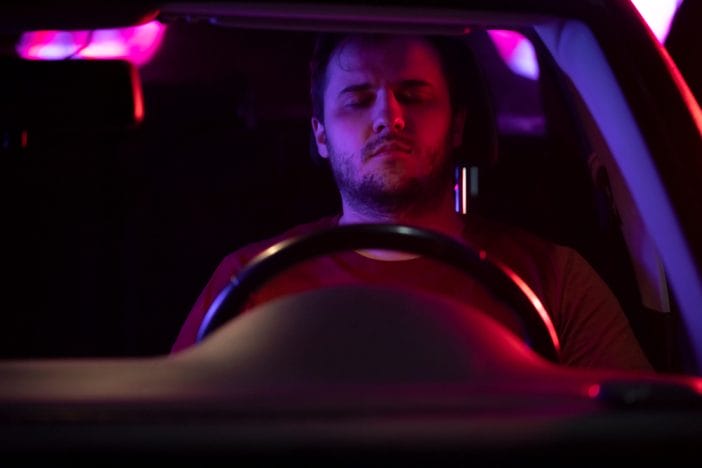
Flashing blue lights in the rearview mirror can make even calm drivers forget basic common sense. A simple question from an officer often catches people off guard, and many drivers start talking far too much before they even know what happened. One nervous sentence can turn a routine traffic stop into a much longer and more complicated interaction.
Drivers frequently volunteer information that gives officers extra reasons to investigate, issue citations, or escalate the situation. Staying polite matters, but smart drivers also know when silence works better than oversharing.
1. “Yeah, I Was Speeding”
Many drivers blurt out an instant confession because they think honesty will automatically earn mercy. In reality, admitting to speeding gives an officer direct evidence before the conversation even develops. Officers already rely on radar readings, pacing, or visual observations, so a confession only strengthens the case. A driver who immediately admits fault removes any room for clarification or discussion later. Calm responses like “I’m not sure, officer” keep the interaction respectful without volunteering unnecessary information.
People often confuse politeness with self-incrimination during traffic stops. A driver can stay cooperative while still protecting personal interests. Courts in many states allow officer testimony about roadside admissions during traffic hearings. Even a casual statement like “I was only going a little fast” can appear in official notes. Nervous chatter creates problems that silence could easily avoid.
2. “I Only Had a Couple Drinks”
That sentence raises alarms faster than almost anything else during a traffic stop. Officers immediately pay closer attention to speech, eye movement, and behavior after hearing any mention of alcohol. Even if the driver feels perfectly sober, the admission can shift the entire tone of the encounter. What started as a broken taillight stop can suddenly become a DUI investigation. Drivers often underestimate how quickly innocent comments can escalate scrutiny.
Alcohol-related traffic deaths still account for roughly one-third of fatal crashes in the United States each year, according to federal highway safety data. Officers receive extensive training to detect signs of impairment, and voluntary admissions make their job easier. A driver who admits to drinking may face additional field sobriety testing or prolonged questioning. Remaining calm and avoiding unnecessary explanations usually prevents extra complications. Short, respectful answers help keep the stop focused on the original issue.
3. “I Didn’t See the Stop Sign”
This statement sounds harmless, but it can create bigger legal trouble than many drivers realize. Admitting failure to see a stop sign may suggest distracted driving, fatigue, or careless operation of the vehicle. Insurance companies and courts often treat those admissions seriously because they imply negligence. A driver might think honesty shows responsibility, but officers may hear an admission of unsafe driving habits instead. That single sentence can influence how citations get written.
Traffic attorneys regularly warn drivers about accidental admissions during roadside conversations. Officers write detailed notes after traffic stops, including exact wording whenever possible. A statement about missing signs or signals can appear later in court proceedings or insurance disputes. Drivers gain nothing by speculating about mistakes before reviewing the actual situation. Calmly providing license, registration, and insurance information remains the smarter approach.
4. “I’m Late for Work”
Rushing creates one of the oldest excuses in traffic-stop history, and officers hear it constantly. Unfortunately, admitting urgency may reinforce suspicion that reckless driving occurred. Drivers who mention running late often unintentionally confirm speeding, aggressive lane changes, or failure to obey traffic signals. Officers rarely respond with sympathy because nearly every driver claims some urgent destination. That excuse usually weakens credibility instead of helping.
Stress also causes people to overshare personal details that have nothing to do with the stop itself. A driver might start explaining schedules, bosses, family emergencies, or financial problems in an effort to gain empathy. Those details rarely affect whether a citation gets issued. Officers generally focus on observed driving behavior rather than personal circumstances. Keeping responses brief avoids turning a simple stop into an awkward life story.
5. “My License Is Probably Suspended”
Some drivers panic before officers even run identification checks. That fear leads to impulsive admissions that immediately increase tension during the stop. A suspended license can trigger arrests, vehicle impoundments, or expensive penalties depending on state laws. Volunteering uncertainty about license status may encourage deeper investigation before the officer even reaches the patrol car computer. Nervous guesses often create unnecessary trouble.
Millions of Americans deal with suspended licenses every year for reasons ranging from unpaid tickets to administrative errors. Some drivers genuinely do not know their current status because states sometimes mail notices to old addresses. Still, roadside speculation helps nobody. If a license problem exists, officers will discover it through standard procedures anyway. Drivers gain no advantage by announcing possible violations before confirmation.

6. “You Can Search the Car”
Many people offer consent searches because they think refusal automatically looks suspicious. In reality, constitutional protections exist for a reason, and officers know citizens can legally decline many searches. Agreeing too quickly can expose forgotten items, prescription medication issues, or belongings from passengers that the driver never considered important. Small misunderstandings inside vehicles sometimes snowball into major legal headaches. Drivers should think carefully before waiving rights under pressure.
Legal experts consistently recommend calm, clear communication during consent requests. A respectful response like “I’d rather not consent to searches” avoids hostility while protecting personal privacy. Officers may still proceed under certain legal exceptions, but voluntary consent removes an important layer of protection. Nervous drivers sometimes say yes simply because silence feels uncomfortable. That split-second decision can carry consequences long after the traffic stop ends.
7. “Go Ahead and Write the Ticket”
Frustration often peaks near the end of a traffic stop, especially after a long wait beside the road. Some drivers become sarcastic or combative because they assume the outcome already feels unfair. Telling an officer to “just write the ticket” may escalate tension during the final moments of the interaction. Officers retain broad discretion during stops, including decisions about warnings versus citations. A hostile attitude rarely improves those odds.
Roadside arguments also increase stress and distraction for everyone involved. Officers manage safety risks from passing traffic, emotional drivers, and unpredictable situations during every stop. Calm behavior usually keeps interactions shorter and smoother. Even when drivers disagree with a citation, the roadside rarely serves as the best place to debate guilt. Courts and traffic hearings exist specifically for those disputes.
The Smartest Thing Drivers Can Say Instead
Traffic stops feel stressful because drivers often panic and start filling silence with damaging information. Officers ask strategic questions, and nervous people frequently answer far more than necessary. Staying respectful, calm, and concise protects drivers far better than rambling explanations or emotional reactions. Simple responses paired with polite behavior usually keep encounters from escalating unnecessarily. Smart drivers know that silence can sometimes serve as the most powerful tool during a roadside stop.
What do you think is the biggest mistake drivers make during traffic stops? Share your thoughts and experiences in the comments below.
You May Also Like…
8 Phrases Police Say Immediately Escalate Routine Traffic Stops
Cops In These 3 States Are Cracking Down on Left Lane Drivers — You’d Better Be Passing
Cops Say This One Dashboard Item Makes You A Magnet for Traffic Stops
Police Are Tracking Telematics Data — How to Disable Your Car’s Spy Device Without Breaking the Law
7 Things You Should Never Admit During a Traffic Stop
Related Posts
-

Driving laws are put in place to keep the roads safe and organized, but some…
-

First I want to say that I recognize that there are millions of Americans, and…
-

People ask rude questions all the time. Sometimes it’s a stranger at a party. Other…
-

In 2025, auto loan debt in the U.S. has ballooned to a staggering $1.6 trillion.…
-

If you’ve ever tried to help your child with homework and ended up questioning your…
-

If you’re a man in your 30s or 40s, you probably think you’ve got plenty…
