
Carrying a Pocketknife? Check Your State’s New Blade-Length Rules Before You Get Arrested
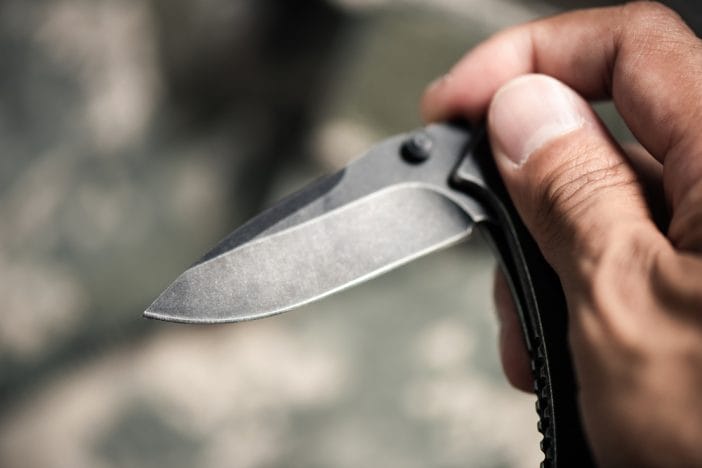
Pocketknife rules across the United States have tightened in surprising ways, and many people still carry blades without realizing the legal risk sitting in their pocket. A simple everyday tool can quickly turn into a legal problem when blade-length limits change from one state—or even one city—to another. Lawmakers continue updating knife regulations in response to safety concerns, which leaves plenty of room for confusion among responsible carriers.
A knife that feels harmless at home can trigger serious charges during a traffic stop, security check, or even a casual encounter with law enforcement. Staying informed helps prevent an ordinary carry item from turning into an unexpected legal headache.
Blade-Length Rules Keep Changing Faster Than Most People Realize
Knife laws shift often because states regularly adjust definitions around “concealed weapons” and “dangerous instruments,” especially when public safety debates heat up. Some states allow blades up to three inches without restriction, while others extend the limit to four inches or more for pocket carry. Local ordinances sometimes override state law, which creates a patchwork system that confuses even long-time residents. Law enforcement officers rely on exact wording in statutes, not common assumptions, which makes outdated knowledge risky.
Many carriers assume a “standard” pocketknife stays legal everywhere, but that assumption breaks down quickly when crossing state lines. A blade that passes inspection in one jurisdiction may violate strict limits just a few miles away in another. This inconsistency leads to situations where someone legally purchases a knife but unknowingly breaks the law while traveling. Careful attention to updated regulations helps avoid situations where a routine item suddenly becomes evidence during a stop.
Why Small Differences Between States Create Big Legal Problems
States define blade length in different ways, which creates confusion even when numbers look similar on paper. Some jurisdictions measure only the sharpened edge, while others measure the entire blade from handle to tip. A knife that appears compliant under one measurement method may exceed limits under another system entirely. These small technical differences often decide whether a carry stays legal or triggers a citation.
Certain states also treat locking blades, assisted-opening knives, and fixed blades differently, which adds another layer of complexity. One region may allow a folding knife with a five-inch blade while another bans any locking mechanism over a much shorter limit. Law enforcement officers often evaluate intent as well, especially when someone carries a blade in restricted zones like schools or government buildings. Understanding these distinctions helps prevent accidental violations that stem from simple design differences rather than actual misuse.
Everyday Situations That Lead to Unexpected Knife Charges
Many knife-related arrests start during completely routine encounters like traffic stops, bag searches at public events, or workplace security checks. Officers often escalate a situation when a blade exceeds local limits, even if the carrier never intended harm or wrongdoing. A pocketknife clipped inside a pocket can still count as concealed carry depending on state law, which surprises many people. That single detail often determines whether someone walks away with a warning or faces a formal charge.
Travel situations create even more risk because rules change abruptly at state borders and transportation hubs. Airports enforce strict bans on blades in carry-on luggage, and even small knives trigger immediate confiscation and potential fines. Some public venues also enforce private policies that override local law, especially stadiums and concert arenas. These combined restrictions make it easy for a legally purchased knife to become a prohibited item in seconds.
How Travelers and Daily Carriers Can Avoid Costly Mistakes
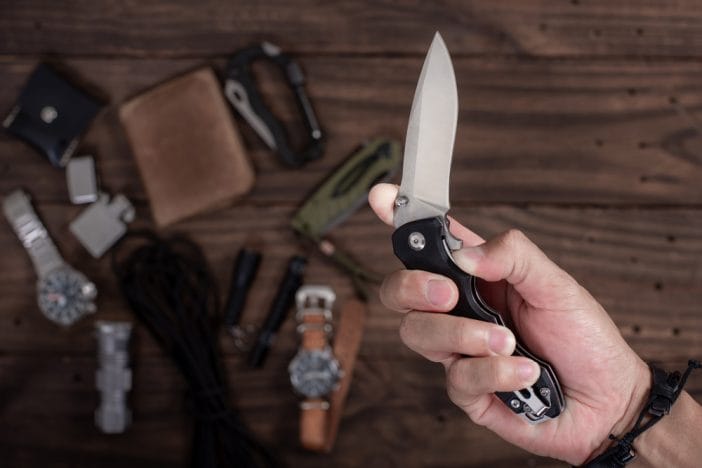
Checking state and city regulations before carrying a knife provides the strongest protection against legal trouble. Many official government websites publish updated blade-length limits, and those resources often change after legislative sessions. Carryers who travel frequently benefit from keeping a simple reference list of states they visit most often. That habit reduces the chance of guessing wrong in unfamiliar jurisdictions.
Choosing a knife with a shorter blade also lowers risk across multiple states with stricter limits. Many everyday tasks do not require long blades, so compact designs often provide enough utility without crossing legal thresholds. Paying attention to carry method matters as well, since open carry rules sometimes differ from concealed carry rules. Small adjustments in choice and placement can prevent major misunderstandings during law enforcement encounters.
Staying Ahead of Knife Laws Without Losing Everyday Convenience
Knife laws continue evolving, and states show no signs of standardizing blade-length rules across the country anytime soon. Responsible carriers protect themselves by treating knife laws like driving laws—always subject to change and local variation. A quick check before travel or major outings prevents unnecessary stress and reduces legal exposure. Staying proactive turns a simple tool into a safe and reliable everyday item instead of a legal gamble.
What surprised you the most about pocketknife laws changing so quickly across states?
You May Also Like…
Think Twice Before Dialing 911: New Laws Turn Fake Calls Into Felonies – Here’s What’s Illegal Now
Retirement Slip-Ups That Can Land You in Legal Trouble — 5 Habits You Must Avoid
10 Everyday Items That Can Be Used Against You in a Lawsuit
Knife Laws Just Changed in 2026—Here’s What You Can Now Legally Carry
Related Posts
-

When you think of luxury car brands, images of gleaming paint, plush interiors, and roaring…
-

When a person passes away, their estate must go through a legal process called probate,…
-

California’s housing landscape just got a subtle but meaningful shake-up, and it revolves around money…
-

When an insurance agent asks about your toolbox, it isn’t small talk; it’s risk assessment.…
-

It's about 11 minutes long, and doesn't discuss some of the really shady things that…
-

Have you ever thought about what would happen if your favorite tools just disappeared? It…
