
Your Doorbell Could Get You Sued: Laws Say You Can’t Record a Neighbor’s Conversation Without Consent
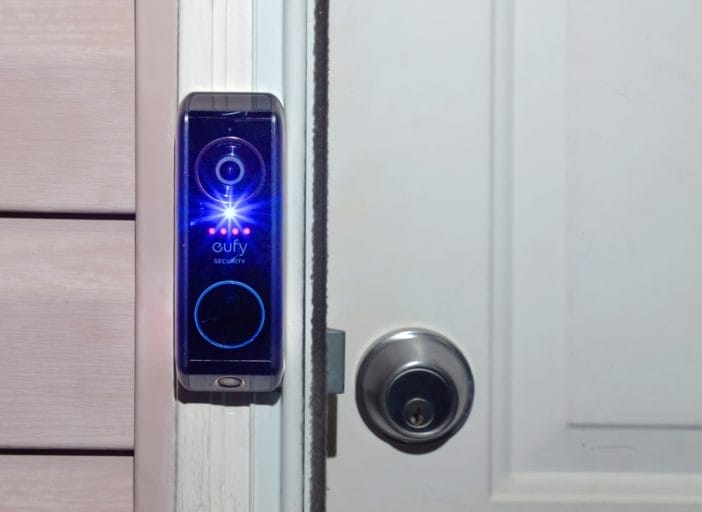
Front-door cameras feel like a modern-day superpower. They catch package thieves, scare off trespassers, and send instant alerts straight to a phone. But that same convenience can turn into a legal headache when those cameras capture more than footsteps and door knocks. Conversations between neighbors, delivery workers, or visitors can land in recordings without anyone realizing it. That’s where privacy laws step in with surprising force and very real consequences.
Many homeowners install smart doorbells like they’re harmless digital peepholes. The problem starts when those devices capture audio in areas where people expect privacy, even partially. A friendly chat on a shared walkway or a quiet discussion near a fence can trigger legal issues depending on local consent rules. What feels like routine home security can quickly shift into a privacy dispute that escalates faster than expected.
Why Doorbell Cameras Create Unexpected Legal Trouble
Doorbell cameras often sit in “gray zone” spaces where public and private boundaries blur. A camera mounted above a porch may capture sidewalks, shared driveways, or even neighboring yards. Conversations naturally happen in those spaces, especially in residential communities where people talk freely outdoors. Once a device records voices, the footage no longer stays simple—it enters legal territory tied to privacy expectations. That shift catches many homeowners off guard because they install devices for safety, not surveillance.
The real issue starts when audio recording joins video recording without clear awareness from others. Many smart doorbells automatically record sound when motion activates the camera, which surprises guests and neighbors. A short exchange like a delivery instruction or a personal comment can become stored digital evidence. Legal systems often treat audio recordings more strictly than video alone, especially when speech becomes identifiable. That difference sets the stage for possible complaints, disputes, or even lawsuits depending on location.
Consent Laws and Why They Matter More Than Most People Think
Privacy laws differ widely depending on the country, province, or state, and those differences matter more than most homeowners realize. Some places follow “one-party consent,” which allows recording if at least one person in the conversation knows about it. Other regions enforce “two-party consent,” which requires everyone involved to agree before any audio recording happens. Canada, including provinces like Manitoba, follows strict federal rules under the Criminal Code that restrict interception of private communications. These rules aim to protect everyday conversations from being captured without permission.
Doorbell cameras complicate these laws because they record automatically without active consent in real time. A neighbor standing on a shared walkway may never realize a device captures their voice during a casual chat. Courts often examine whether a person reasonably expected privacy in that moment, even outdoors. That expectation can change based on distance, tone, and location of the conversation. A harmless porch conversation can suddenly carry legal weight if someone feels recorded without knowledge or permission.

When Recording Crosses the Line Into Privacy Violations
Privacy violations often begin when recordings capture more than incidental noise. A doorbell camera that consistently records conversations from a neighbor’s property can raise serious concerns. Even if the homeowner never listens to the audio, storing it may still trigger legal scrutiny. Disputes often arise when neighbors discover recordings during conflicts over noise, property lines, or security concerns. Those situations can escalate quickly into formal complaints or legal action.
The risk grows when recordings include sensitive or personal discussions. Conversations involving disputes, family matters, or private remarks can intensify legal exposure. Courts often examine intent, placement of the device, and how often the recording occurs. A camera aimed too widely or positioned too close to neighboring property can create repeated privacy intrusions. That pattern can strengthen claims that the device crosses legal boundaries rather than capturing incidental sound.
How Homeowners Can Avoid Legal Problems Without Losing Security
Homeowners can still use doorbell cameras effectively while reducing legal risk. Adjusting camera angles helps limit unnecessary audio capture from neighboring spaces. Many devices allow users to disable audio recording entirely while keeping video surveillance active. That option reduces exposure to consent-related issues while maintaining security benefits. Placement decisions play a major role in keeping recordings focused on private property only.
Clear communication also helps prevent misunderstandings before they escalate. Informing neighbors about camera use can reduce tension and create transparency in shared spaces. Some homeowners even post visible notices stating that video surveillance operates at the entrance. Those small steps help set expectations and discourage disputes over recorded conversations. Responsible setup transforms a security device into a tool that protects without invading privacy.
What Homeowners Need to Remember Before Hitting Record
Doorbell cameras offer strong protection, but they also carry legal responsibility that many people overlook. Privacy laws treat audio recording differently from video, and that difference often surprises homeowners. Consent rules, especially in countries like Canada, can create serious consequences when recordings capture conversations without permission. Even well-intentioned security setups can trigger disputes if they ignore legal boundaries.
Smart home technology keeps evolving, but legal expectations stay firmly focused on personal privacy rights. Homeowners who understand those limits avoid unnecessary conflict and financial risk. Careful placement, smart settings, and awareness of local laws create a safer balance between security and respect. A little caution now prevents a major legal headache later, especially when conversations enter the recording frame.
What steps make sense when balancing home security with neighbor privacy in today’s connected world?
You May Also Like…
6 of the Newest Smart-Home Gadgets That Save Men’s Lives
Why Smart Homeowners Are Trimming Their Trees Right Now
Why Smart Home Features Are Becoming a Must-Have for Modern Buyers
Are You Being Watched by That Smart Home System You Installed Yourself?
Why Are Smart Home Owners Struggling With Basic Maintenance Costs?
Related Posts
-

As I packed the car, I reminded myself that I promised I would never do…
-

It’s not always about games. Sometimes, women test men to understand their emotional strength, boundaries,…
-

Every time the gas pump clicks off, money vanishes faster than a snack in the…
-

Are you planning a home renovation or repair? Hiring a professional contractor can be smart,…
-

In the world of science, trust is paramount. We rely on peer-reviewed research from reputable…
-

Valentine’s Day can turn emotions up to full volume. Hearts everywhere, romantic playlists on repeat,…
