
Think Twice Before Dialing 911: New Laws Turn Fake Calls Into Felonies – Here’s What’s Illegal Now
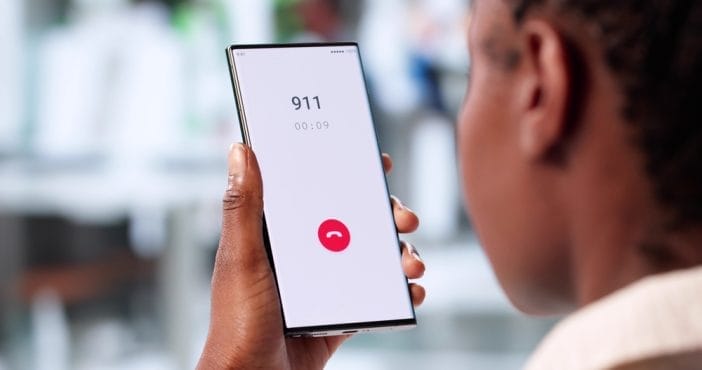
Emergency calls save lives every single day, but misuse of 911 now carries far heavier consequences across the United States. Lawmakers tightened penalties after a surge in prank calls, swatting incidents, and false reports that drained emergency resources. A single fake call can now trigger felony charges in multiple states, along with massive fines and potential jail time. Police departments treat every false emergency as a serious threat because each one diverts attention from real crises. What once passed as a “harmless prank” now lands people in courtrooms facing life-changing charges.
This shift in enforcement did not happen overnight, and it reflects growing concerns about public safety and strained dispatch systems. Emergency operators handle thousands of calls daily, and even one intentional fake report can delay help for someone in cardiac arrest or a house fire. Authorities now track repeat offenders more aggressively, and digital tracing tools make anonymity nearly impossible. The rules surrounding 911 use have tightened to protect both first responders and the communities that depend on them.
Fake 911 Calls Are No Longer a Joke in Many States
Lawmakers across the United States now classify many false emergency calls as criminal offenses instead of minor infractions. States such as California, Texas, and Florida have strengthened penalties after repeated swatting incidents targeted homes, schools, and public officials. These laws treat intentional misuse of 911 as a direct threat to public safety. A prank call that once resulted in a warning can now lead to immediate arrest and prosecution. Authorities emphasize that every second spent on a fake emergency can cost lives elsewhere.
Law enforcement agencies now coordinate with dispatch centers to flag suspicious call patterns and repeat numbers. Swatting incidents, where callers falsely report violent emergencies to trigger armed police responses, receive especially harsh treatment under updated laws. Officers respond as if every report involves real danger, which increases the risk of escalation when the call turns out false. Prosecutors now pursue charges more aggressively to deter copycat behavior. Communities increasingly see these crimes as serious disruptions rather than harmless jokes.
What Counts as an Illegal or Criminal Emergency Call Now
False reports of fires, shootings, bomb threats, or medical emergencies now fall under criminal statutes in most jurisdictions. Intent matters heavily, and prosecutors focus on whether the caller knowingly provided false information to emergency dispatchers. Even exaggerated or misleading details that trigger a full emergency response can qualify as illegal misuse of 911. Some states also criminalize repeated accidental misuse when it shows clear negligence or disregard for warnings. Law enforcement now treats any intentional deception as a public safety threat.
Swatting remains one of the most serious forms of illegal emergency misuse because it intentionally puts both civilians and officers in danger. False reports aimed at specific individuals often escalate quickly, leading to armed police responses and potential injuries. Emergency systems now log and store call data for long periods to identify patterns tied to malicious behavior. Even using spoofed numbers or internet-based calling apps does not guarantee anonymity anymore. Prosecutors increasingly rely on digital footprints to build strong cases.
Real Consequences: Fines, Felonies, and Arrest Scenarios
Penalties for fake 911 calls now range from thousands of dollars in fines to multiple years in prison depending on severity. In swatting cases, courts often add sentencing enhancements because the behavior creates immediate danger for law enforcement officers. Some defendants also face restitution payments that cover the cost of emergency response deployments. A single incident can cost taxpayers thousands of dollars, which courts often assign back to offenders. Judges increasingly treat these cases as serious public safety crimes rather than youthful mistakes.
Modern cases show how quickly consequences escalate after a false report triggers a full police response. Schools evacuated due to fake bomb threats have led to felony charges against minors and adults alike. Home swatting incidents have resulted in arrests occurring at gunpoint when officers believed the threat was real. Those moments often create lasting trauma for victims and officers involved. Courts now consider both financial and emotional harm when issuing penalties.
How Authorities Track and Prosecute False Emergency Reports
Emergency dispatch centers now use advanced call tracing systems that identify caller locations within seconds, even on mobile devices. Phone carriers also cooperate with law enforcement to provide subscriber information tied to suspicious calls. Investigators analyze voice recordings, call metadata, and digital footprints to build strong legal cases. Even calls made through apps or spoofed numbers often leave traceable data points behind. Technology now plays a major role in eliminating anonymity for prank callers.
Prosecutors also rely on patterns of behavior, especially when multiple false calls originate from the same device or network. Law enforcement agencies share data across counties and states to track repeat offenders more effectively. Social media evidence sometimes plays a role when individuals brag or reference prank calls online. Courts increasingly accept digital evidence as standard proof in these cases. This coordinated approach has significantly increased conviction rates.
Why Responsible Calling Protects Real Emergencies
Every misuse of 911 reduces the system’s ability to respond quickly to genuine emergencies like heart attacks, fires, or violent crimes. Dispatch centers operate under constant pressure, and false calls force operators to prioritize non-existent threats. That delay can mean the difference between life and death for someone waiting for help. Communities depend on the responsible use of emergency services to function safely and efficiently. Lawmakers continue strengthening penalties to reinforce that responsibility.

Public safety agencies consistently emphasize education alongside enforcement to reduce accidental misuse and intentional abuse. Schools and community programs now teach when and how to properly contact emergency services. Clear guidelines help prevent misunderstandings that could otherwise lead to legal trouble. Authorities also encourage reporting suspicious activity without fabricating details that could escalate responses. Responsible communication keeps emergency systems focused on real danger instead of preventable distractions.
What do you think about these tougher penalties for fake emergency calls? Do they go far enough, or should they be even stricter? Let’s hear your thoughts below in our comments.
You May Also Like…
This Dashboard Decoration Could Get You an Instant Ticket in 2026 — Police Explain Why
Cops In These 3 States Are Cracking Down on Left Lane Drivers — You’d Better Be Passing
This “Normal” Knock at the Door Is Making Some Homeowners Call 911
8 Times You Should Immediately Dial 911
Drivers Outraged: 2026 Kill-Switch Law Could Let Government Remotely Disable Your Car
Related Posts
-

Imagine going on an epic food road trip across the USA, with each dish more…
-

When you shop for a new car in Southern states, you might notice fewer hybrid…
-

People find various ways to decompress and escape from the difficulties of life. Like reading.…
-

Retirement often gets painted as the golden era of life—lazy mornings, warm vacations, hobbies, and…
-

We've recently discovered a hidden water leak in our rental home. What's terrifying about this…
-

Finding love online once felt like the future. Now, more men are walking away from…
