
Your Home Could Be Shifting Right Now — 8 Signs of Foundation Settling
A house rarely shouts when something goes wrong, but it often whispers long before serious damage shows up. Foundation settling can quietly reshape walls, floors, and doorways while homeowners stay focused on everyday life. Catching these early warning signs can save thousands in repairs and prevent small cosmetic issues from turning into structural nightmares.
Our guide will highlight the most telling clues so problems don’t slip through the cracks—literally. Spotting foundation settling early gives homeowners the power to act fast, protect property value, and avoid costly surprises.
1. Cracks in Walls That Keep Growing
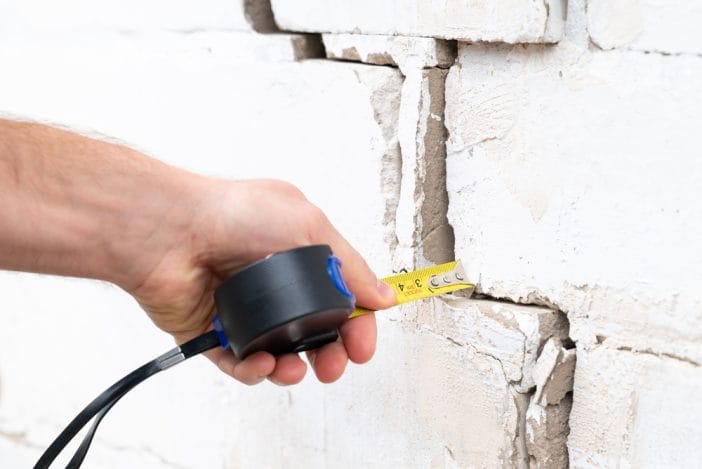
Small hairline cracks often appear in homes over time, but expanding cracks tell a different story about foundation settling. These cracks usually stretch diagonally from doors or windows and widen over weeks or months instead of staying stable. Fresh paint or patchwork that fails to hide recurring cracks signals movement beneath the surface. Ignoring this sign can allow moisture intrusion and structural stress to worsen the issue. Monitoring crack size and direction offers a simple but powerful way to track foundation settling before it escalates.
Cracks that measure wider than a quarter-inch deserve immediate attention because they often point to uneven shifting below the home. Homes built on clay-heavy soil face a higher risk since that soil expands and contracts with moisture changes. A quick inspection every few months helps homeowners catch changes early and document progression. Professionals often use crack gauges to measure movement precisely, but a simple ruler works for basic tracking. Staying proactive with visible cracks keeps the foundation settling from becoming an expensive emergency.
2. Doors That Stick or Won’t Close Properly
Doors should glide smoothly into place, so resistance often signals something deeper than humidity or wear. Foundation settling can twist door frames slightly, causing misalignment that leads to sticking or gaps. A door that once closed easily but suddenly jams or swings open on its own points to shifting support underneath. These subtle changes often start small but worsen as movement continues. Paying attention to these changes can reveal foundation settling before major damage occurs.
Repeatedly trimming doors or adjusting hinges may seem like a quick fix, but it often masks the real issue. Uneven settling can pull frames out of square, making doors unreliable over time. Homeowners may also notice light peeking through edges where gaps didn’t exist before. These clues often show up in multiple rooms, not just one isolated area. Addressing the root cause instead of the symptom helps stop foundation settling from spreading further.
3. Uneven or Sloping Floors
A level floor should feel stable underfoot, so any noticeable slope raises a red flag. Foundation settling can cause sections of the home to sink unevenly, creating subtle dips or tilts. Walking across a room may feel slightly off balance, especially near walls or corners. Over time, these shifts can worsen and even impact furniture stability. Identifying uneven flooring early helps prevent further structural strain.
A simple test involves placing a ball on the floor and watching if it rolls on its own. Persistent movement in one direction often confirms a slope caused by foundation settling. Floors may also creak more loudly as structural supports adjust under pressure. In severe cases, visible gaps can appear between flooring and baseboards. Addressing uneven floors quickly can prevent larger repairs and safety hazards down the line.
4. Gaps Around Windows and Doors
Tight seals around windows and doors help maintain energy efficiency and structural integrity. When foundation settling occurs, those seals can break, leaving visible gaps. These openings may allow drafts, moisture, or even pests to enter the home. Small gaps can expand quickly if the foundation continues shifting. Catching them early helps maintain comfort and prevent additional damage.
Homeowners may notice rising energy bills as conditioned air escapes through these gaps. Caulking may provide temporary relief, but it won’t fix the underlying movement. Warped frames often accompany these gaps, making windows harder to open or close. Over time, repeated shifting can lead to cracked glass or damaged hardware. Addressing these signs promptly keeps foundation settling from affecting multiple systems in the home.
5. Cracked or Leaning Chimney
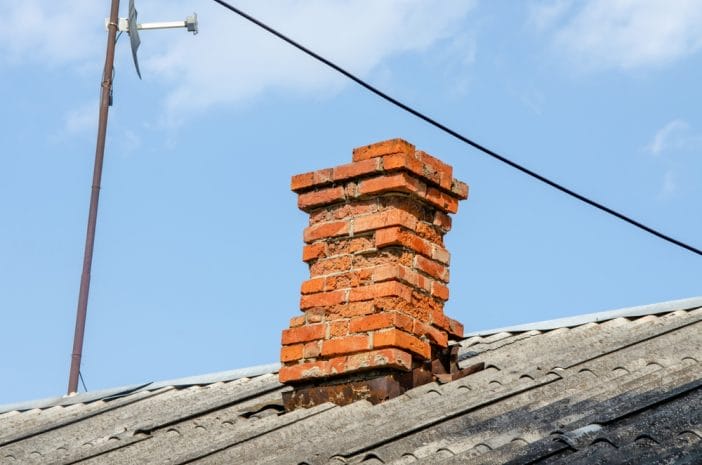
A chimney should stand straight and solid, so any tilt signals potential trouble. Foundation settling can cause chimneys to pull away from the house or develop visible cracks. These changes often occur because chimneys have separate foundations that react differently to soil movement. Even slight leaning can become dangerous if left unchecked. Regular exterior inspections help spot these warning signs early.
Cracks in brick or mortar joints often appear before noticeable leaning develops. Water can seep into these cracks, accelerating deterioration during temperature changes. In extreme cases, a leaning chimney can collapse, posing serious safety risks. Professional evaluation ensures accurate assessment and repair recommendations. Acting quickly prevents foundation settling from turning into a hazardous situation.
6. Basement Wall Bowing or Cracking
Basement walls face constant pressure from surrounding soil, making them vulnerable to movement. Foundation settling can cause walls to bow inward or develop horizontal cracks. These signs often indicate significant stress that requires immediate attention. Ignoring them can lead to water intrusion and structural failure. Early detection keeps repair costs manageable and prevents further complications.
Horizontal cracks typically signal more serious issues than vertical ones. Bowing walls may also show signs of moisture or mold, adding health concerns to structural problems. Reinforcement solutions exist, but timing plays a critical role in effectiveness. Regular basement inspections help catch subtle changes before they worsen. Addressing these issues quickly keeps foundation settling under control.
7. Nail Pops and Ceiling Cracks
Small bumps or cracks in ceilings may seem cosmetic, but they often hint at movement below. Foundation settling can shift framing, causing nails to push through drywall. These “nail pops” often appear alongside fine ceiling cracks. While they may look minor, they signal underlying structural adjustments. Paying attention to these details can reveal early foundation settling.
Repeated repairs that fail to hold indicate ongoing movement rather than isolated damage. Seasonal changes may worsen these symptoms as soil expands and contracts. Over time, small ceiling cracks can grow larger and more noticeable. Monitoring patterns helps distinguish between normal wear and structural concerns. Taking action early prevents cosmetic issues from becoming major repairs.
8. Water Pooling Near the Foundation
Water and soil movement create a powerful combination that affects stability. Poor drainage can accelerate foundation settling by softening the ground beneath a home. Puddles that linger near the foundation after rain often signal trouble. Over time, this excess moisture can cause uneven sinking. Managing water flow plays a key role in preventing damage.
Gutters and downspouts should direct water away from the home effectively. Landscaping that slopes toward the house can worsen pooling issues. Installing proper drainage solutions can significantly reduce risk. Regularly checking for standing water helps catch problems early. Controlling moisture remains one of the most effective ways to limit foundation settling.
Small Shifts Today For Big Repairs Tomorrow
Foundation settling rarely fixes itself, and early signs often appear long before major damage sets in. Ignoring these clues can lead to costly repairs, reduced property value, and safety concerns. Staying alert to changes like cracks, sticking doors, and uneven floors helps homeowners act quickly. Regular inspections and maintenance go a long way in preventing long-term issues. Taking foundation settling seriously protects both the home and the investment it represents.
Are any of these signs showing up around your home right now, or have you spotted something unusual that raised concern? Let’s chat about it below in our comments section.
You May Also Like…
Why Your Smart Doorbell Could Be Telling Thieves Exactly When You Leave the House
Police Warn: Men Are Being Targeted for These Simple Oversights at Home
The #1 Mistake Families Make During a House Fire (And How to Avoid It)
How Home Remodeling on a Budget Increases Home Value
Homeowners Say They’re Blindsided by Fines for These 4 Everyday Things
Related Posts
-

Running is one of the best exercises that you could ever do to improve your…
-

I'm not sure, but I think when we moved the fridge while installing new flooring…
-

Most drivers don’t think about their car’s timing belt until it snaps—and by then, it’s…
-

Your credit score is more than just a number—it’s a key that unlocks everything from…
-

I've had a number of dogs throughout my life, each one of them well-loved. You…
-

Engines fail quietly when small habits go wrong, and topping off oil incorrectly sits at…
