
Why Men Over 60 Are Suddenly Buying Guns for Safety
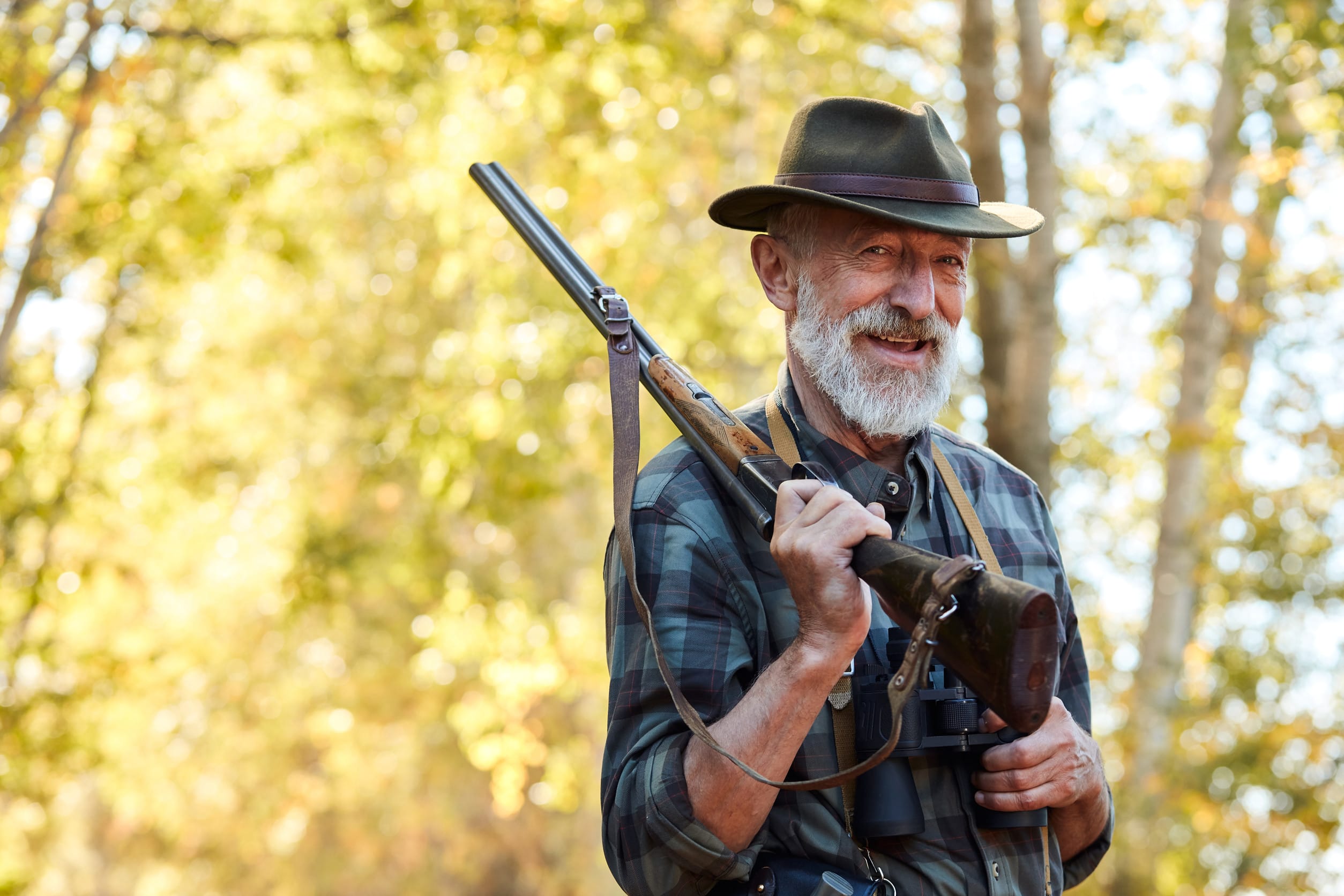
Many men over 60 are making a change: buying firearms… not for sport or collection, but for protection. With rising concerns over crime, loneliness, health vulnerabilities, and changing household dynamics, older men are increasingly viewing guns as a way to feel safe. If you’re in this age group or care about someone who is, it’s important to understand what’s motivating this trend, and what risks and responsibilities come with it. Here are some of the reasons many men over 60 have started arming themselves more than ever before.
Rising Perceived Threats and Crime Worries
Many men over 60 report feeling less secure than in past years, especially in areas with growing crime rates or when news coverage emphasizes violent incidents. Media stories about break-ins, elder abuse, or home invasions can amplify fears, whether or not the risk in a person’s own neighborhood has increased. Physical vulnerabilities (slower reaction times, weaker mobility) make some older men feel especially exposed. These perceptions of danger often drive people to consider firearms as a deterrent or a last line of defense. As protection is among the top reasons people cite when owning guns, these worries increasingly explain why more older men are purchasing firearms.
Desire for Independence and Self-Reliance
For many men over 60, independence is deeply tied to identity and self-worth. The thought of being dependent on others (neighbors, caretakers, emergency services) can feel threatening. Owning a gun for safety can be seen as a measure to maintain control over one’s environment and reduce dependence.
Some older adults believe that having a firearm allows them to respond immediately in emergencies when help might be delayed. This desire for self-reliance, especially with increasing mobility or health challenges, is a strong motivator. Research finds that many gun owners say protection is a major reason for ownership.
Changes in Household Structure and Isolation
As people age, households often change: living alone, losing partners, or having fewer family members nearby. Isolation can increase worries about safety because there’s no immediate help in case of threats, whether from strangers, health emergencies, or accidents.
Alongside isolation, older age often brings slower mobility, hearing or vision decline, making it harder to “get away” or defend oneself. These shifts often trigger considerations of what protective measures are realistic and under full personal control. Owning a gun may seem like a tangible way to reduce vulnerability when many other things in life feel less controllable.
Health Concerns, Physical Vulnerability, and Response Time
Physical changes with age (in reflexes, strength, mobility, hearing, and vision) make many older men feel that their ability to escape danger or respond quickly is diminished. Health scares, illness, or witnessing peers’ vulnerabilities can sharpen awareness of mortality and risk. When someone fears they may not be physically able to flee or defend themselves in a crisis, a gun is sometimes viewed as an equalizer.
This mindset is heightened in regions where emergency response times are long or medical help feels unreliable. However, physical vulnerability also increases risk: owning a gun requires responsible storage, training, and mental clarity, elements that need more attention as age increases. Studies show that older adults also face an increased risk of accidents or misuse if safe practices are not followed.
Legal, Social, and Regulatory Shifts Encouraging Ownership
Recent years have seen policy changes in many states… easier permitting, “constitutional carry” laws, less waiting, or fewer restrictions on concealed carry. These changes make it easier for someone over 60 to buy or carry a gun for protection. Also, post-pandemic concerns, as well as social unrest or public perception of decreasing safety, have pushed many people to reconsider their personal safety strategies.
Gun retailers have reported increased sales among older demographics. Surveys show protection is now the primary reason for many gun owners, more than hunting or sport shooting, reflecting shifting priorities.
How This Trend Impacts Safety and Community
The rise in gun ownership among men over 60 reflects deeper cultural, social, and safety anxieties, not just personal fear. While feeling safer is the goal, studies show that having a firearm in the home increases risks of accidental injury, misuse, or unintended psychological stress. Communities may need to expand resources for safe storage, training, and risk assessment in older populations. Healthcare providers, too, are recognizing gun safety as part of mental and physical health conversations, especially regarding depression, dementia, or changes in mobility. When older adults balance protection desires with safety practices and community awareness, the trend toward firearm purchases becomes less risky and more thoughtful.
If you’re a man over 60 considering buying a gun for safety, make sure it’s a decision grounded in both awareness and responsibility. Money spent on safety features, training, and secure storage is not optional; it’s part of what credible protection means. Also, check in with your physical and mental health regularly: what felt safe at 60 might feel more fraught at 70 or beyond. Use every tool available (legal, physical, community) to build protection that doesn’t itself become a source of danger. With the right approach, safety doesn’t have to come at the cost of peace of mind.
What experiences or concerns have you heard from men over 60 about owning guns for safety? Have you seen this trend in your family or community? Please share your stories or tips in the comments.
