
Why Ignoring a Tire Pressure Light in Winter Can Destroy Your Tires
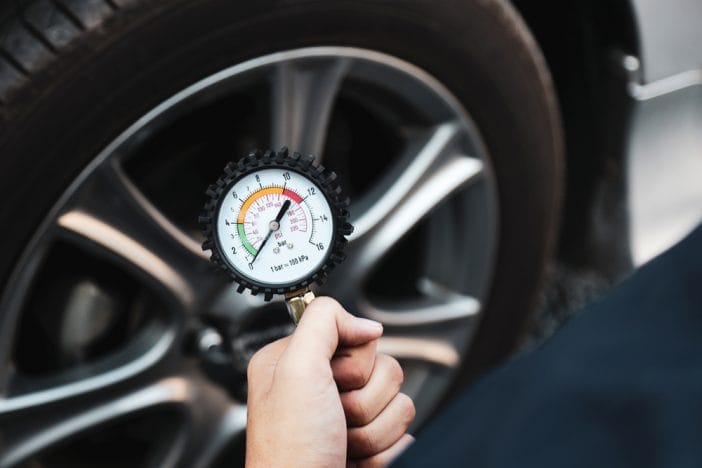
Winter doesn’t just test your patience, your schedule, and your heating bill, it quietly puts your vehicle under more mechanical stress than any other season. One of the most underestimated warning signs during cold months is the tire pressure light, that tiny dashboard symbol people love to ignore because “the car still feels fine.”
The truth is, winter temperatures change the physics of air pressure inside your tires, and that shift can trigger a chain reaction of damage that’s expensive, dangerous, and totally avoidable. Understanding what that little light actually means in cold weather can save your tires, your wallet, and your safety all at once.
Cold Air, Hard Physics, Real Damage
Air pressure drops as temperatures fall, and this isn’t automotive folklore, it’s basic physics. For every 10-degree drop in temperature, tire pressure typically decreases by about one to two PSI, which means a sudden cold snap can push perfectly healthy tires into underinflated territory overnight. When tires are underinflated, more of the rubber surface contacts the road than designed, creating excess friction, heat buildup, and uneven wear patterns. That extra stress weakens internal tire structure over time, making the rubber more prone to cracking, sidewall damage, and even blowouts.
The danger isn’t just long-term wear, either. Underinflated tires reduce handling precision, increase braking distances, and make steering less responsive, which is the last thing you want when roads are slick and unpredictable.
The TPMS Light Isn’t Being Dramatic
The Tire Pressure Monitoring System, or TPMS, exists for a reason, and it’s not to annoy drivers. This system monitors pressure levels and alerts you when one or more tires drop below safe operating thresholds. In winter, that alert often shows up more frequently because temperature swings cause pressure fluctuations, not because the system is faulty. Many drivers assume it’s “just the cold” and keep driving, but the system isn’t designed to distinguish between cold-related pressure loss and dangerous underinflation, because functionally, they create the same risk.
Low pressure changes how your tires flex while driving. That flexing generates heat, and in cold weather conditions, this internal temperature stress creates micro-damage in the rubber compounds and internal belts. Eventually, that damage weakens structural integrity and increases failure risk.
Fuel Economy and Control Take the Hit
Most people don’t connect tire pressure with fuel economy, but the relationship is direct and measurable. Underinflated tires increase rolling resistance, meaning your engine works harder just to keep the car moving. In winter, when engines already burn more fuel during cold starts and longer warm-ups, low tire pressure quietly amplifies fuel consumption even further. This doesn’t show up as dramatic mileage loss overnight, but it slowly drains efficiency over weeks and months.
Control is the bigger issue, though. Properly inflated tires maintain optimal contact patch shape, which helps with traction, braking, and steering response. When pressure drops, that shape distorts, reducing grip and increasing slide risk on wet, icy, or slushy roads. The car may feel “normal” during casual driving, but in emergency situations, underinflated tires respond more slowly and less predictably.
Tire Wear That You Can’t See Until It’s Too Late
One of the most deceptive dangers of ignoring a tire pressure light is that the damage often happens invisibly. Uneven wear patterns start forming on the inside edges and sidewalls, places most drivers never visually inspect. By the time tread wear becomes noticeable, the internal damage is often already done. Belts weaken, rubber compounds degrade faster, and structural integrity erodes silently.
This kind of wear doesn’t just shorten tire lifespan; it makes tires less stable under stress. High-speed driving, sudden braking, potholes, and rough winter roads all become higher-risk situations when tires are structurally compromised.
Small Habits That Prevent Big Problems
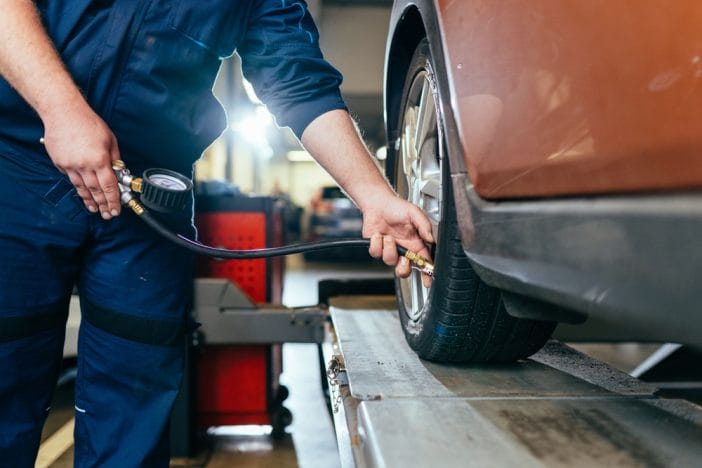
The good news is that preventing winter tire damage is simple, affordable, and fast. Regularly checking tire pressure, especially during temperature swings, is one of the easiest maintenance habits you can build. Tire pressure should always be checked when tires are cold, using a reliable gauge, and adjusted to the manufacturer’s recommended PSI listed inside the driver-side door frame.
Seasonal inspections also matter. Winter tires or all-season tires should be checked for tread depth, sidewall condition, and pressure consistency. Rotating tires on schedule helps prevent uneven wear patterns that low pressure can worsen. Even simple habits like paying attention to how your vehicle handles, steers, and brakes in cold conditions can help you catch pressure problems early before they turn into damage.
The Light Is a Warning, Not an Opinion
A tire pressure light isn’t a casual notification; it’s a risk indicator. In winter, that risk multiplies because road conditions are harsher, temperature swings are sharper, and tire performance margins are thinner. Ignoring it doesn’t just shorten tire life, it compounds wear, reduces safety, and increases long-term maintenance costs. The light is doing its job, and responding to it is one of the easiest ways to protect your vehicle investment.
Treating tire pressure as part of seasonal car care rather than a once-a-year task changes everything. It keeps your tires healthy, your driving safer, and your winter travel more predictable. The smallest dashboard light can prevent some of the biggest winter driving problems if you let it.
When a Simple Fix Becomes Smart Protection
Taking tire pressure seriously in winter isn’t about being obsessive, it’s about being proactive. A few minutes with a pressure gauge and an air pump can prevent hundreds of dollars in tire damage, reduce accident risk, and keep your car performing the way it’s designed to.
The tire pressure light isn’t trying to ruin your day; it’s trying to protect your tires, your safety, and your wallet at the same time. Winter is hard enough on vehicles without adding avoidable damage into the mix.
What’s your habit when your tire pressure light comes on in winter? Do you check it right away or tell yourself you’ll get to it later? Talk about it in the comments section below.
You May Also Like…
Your Tires Lose Pressure Faster Than You Expect In December
Rising Retirement Costs Are Forcing Some Men Over 50 to Rethink Marriage
State Troopers Say This Everyday Driving Gesture Is Now the #1 Reason Cars Get Pulled Over
Inside the Numbers: Automotive Repair Market Growth and Scrap Metal Value
Blink and They’re Gone: The 5 Fastest Cars on the Road
Related Posts
-

Winter doesn’t gently fade away. It leaves fingerprints on your car. Road salt, freezing temperatures,…
-

As homeowners become increasingly conscious of energy consumption and its environmental impact, the appeal of…
-

Some decisions don’t just open doors—they open bank accounts that someone else can spend from.…
-

We all have that one drawer in the house—the infamous junk drawer. It’s a catch-all…
-

Well, the contest for free copies of TurboTax Online has ended and I've drawn the…
-
For some of us, the word "Help" is a very bad 4 letter word. Sometimes…
