
Why Cash Withdrawal Limits Are Changing Across America
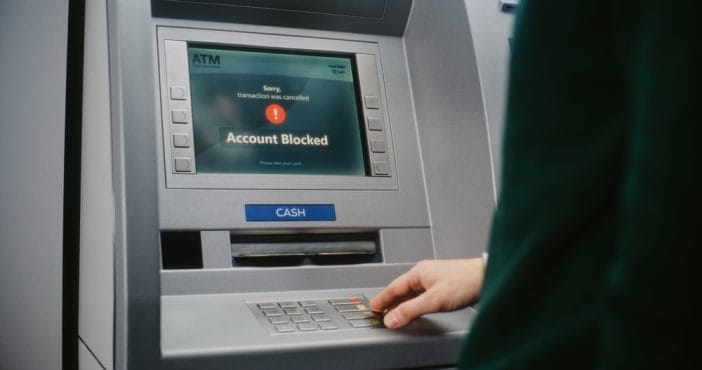
Cash still moves through everyday life faster than most people realize. From grabbing emergency funds at an ATM to handling weekend expenses, people rely on physical money more than banks often highlight. Recently, banks across the country have started adjusting cash withdrawal limits, and those changes have caught attention in both small towns and big cities. These shifts are not random, and they connect directly to security concerns, technology upgrades, and changing customer habits. Anyone who uses ATMs or bank debit cards has likely already felt the impact without fully realizing why.
Financial institutions now balance convenience with protection in a much stricter way than before. Fraud attempts continue to evolve, and banks constantly adjust policies to stay ahead of them. At the same time, digital payments keep growing, which changes how often people actually need large amounts of cash. These combined pressures are pushing banks to rethink how much money customers can access at once. That shift creates real-world effects that show up right at the ATM screen.
Banks Are Tightening Withdrawal Limits for Security Reasons
Banks across the country now set tighter cash withdrawal limits to reduce the risk of large-scale fraud. Criminal activity targeting debit cards and compromised accounts has increased, and institutions react quickly when threats rise. Lower limits help reduce losses when unauthorized access occurs, especially during the first hours of detection. Financial institutions also monitor unusual withdrawal patterns more aggressively than in previous years. These steps aim to protect customer accounts before damage spreads.
Security teams now analyze transaction behavior using advanced monitoring systems that flag suspicious activity in real time. Banks adjust limits based on regional fraud trends, account types, and customer history. Some institutions even temporarily lower limits during high-risk periods such as holiday seasons or known cyberattack waves. These decisions often happen quietly, but customers feel the effect at ATMs without warning. The goal centers on prevention rather than recovery after theft occurs.
Fraud Prevention Technology Drives Policy Changes
Banks now rely heavily on artificial intelligence systems that detect fraud patterns faster than traditional methods. These systems evaluate transaction size, location, timing, and frequency to identify unusual behavior. When something looks off, the system automatically triggers protective measures, including reduced withdrawal limits. This approach helps stop fraud before funds leave the account. Customers benefit from stronger protection, even if the process feels restrictive.
Fraud prevention teams also respond to new types of scams that target ATM withdrawals and debit cards. Skimming devices, phishing attacks, and account takeover schemes continue to evolve each year. Banks adjust withdrawal policies to make large cash theft less likely and less rewarding for criminals. These measures may inconvenience some users, but they significantly reduce major financial losses. Institutions treat these adjustments as part of long-term security strategy rather than temporary fixes.
The Shift Toward Digital Banking Reduces Cash Demand
Digital banking continues to change how people handle everyday transactions. Mobile payments, online transfers, and tap-to-pay systems reduce the need for physical cash in many situations. As usage shifts, banks reassess how much cash they keep available at ATMs and branches. Lower demand allows institutions to streamline cash distribution and reduce operational costs. This trend plays a major role in changing withdrawal limits nationwide.
Younger consumers especially rely on digital wallets and card-based payments instead of paper money. Businesses also encourage electronic payments to speed up checkout processes and improve tracking. As cash usage declines, banks adjust policies to reflect real customer behavior. ATMs still serve an important role, but they no longer act as the primary access point for money. This shift reshapes how financial systems prioritize liquidity and accessibility.

What Customers Notice When ATM Limits Change
Many people first notice withdrawal limit changes when an ATM suddenly refuses a larger transaction. The screen may display a message explaining daily caps or reduced limits set by the bank. This often creates confusion, especially for those who rarely check account settings. Customers sometimes assume the ATM malfunctioned rather than recognizing a policy update. These moments highlight how quietly financial institutions implement changes.
Banks often vary limits based on account tiers, which adds another layer of surprise for customers. Premium accounts may allow higher withdrawals, while basic accounts face stricter caps. Some banks also adjust limits based on geographic location or fraud risk levels in specific areas. Customers traveling between regions may experience different restrictions without prior notice. These variations reflect how flexible banking systems have become in managing risk.
Smart Strategies to Handle Lower Cash Access Limits
Consumers now adapt by planning cash needs more carefully than before. Many people withdraw smaller amounts more frequently instead of relying on large ATM transactions. This approach helps avoid hitting daily limits and reduces the chance of unexpected declines. Budgeting cash usage also becomes more important in this environment. Small adjustments help maintain convenience even with tighter restrictions.
Some individuals choose to keep backup payment methods available, such as mobile wallets or secondary cards. Others schedule withdrawals in advance when they anticipate higher cash needs, such as travel or events. Understanding personal bank policies also prevents surprises at the ATM. Reviewing account terms helps customers stay ahead of changes instead of reacting to them. These strategies give users more control despite evolving banking rules.
Behind The Withdrawal Limit Changes
Cash withdrawal limits continue shifting because banking systems now prioritize security, efficiency, and digital transformation at the same time. Fraud prevention remains the strongest driver, but reduced cash reliance also plays a major role. Banks constantly balance customer convenience with the need to protect financial systems from increasingly sophisticated threats. These adjustments reflect a broader transformation in how money moves across the economy. The ATM still matters, but it no longer stands at the center of daily financial life.
What changes in ATM access have stood out the most in daily life, and how have those shifts affected cash habits? Let’s chat about it below in our comments section.
You May Also Like…
5 Reasons Leaving Too Much Money in Savings Can Backfire Financially
Why Banks Are Suddenly Closing Accounts During Compliance Reviews — And How to Protect Yourself
7 Times Banks Took Advantage of Grieving Families
Why Banks Are Suddenly Closing Accounts During Compliance Reviews — And How to Protect Yourself
5 Common Transactions Where Cash Is Still King
Related Posts
-

When your car breaks down, it’s easy to feel stressed and unsure. You want your…
-

The idea that car break-ins only happen in dark alleyways or deserted streets feels outdated…
-

Ignore a small maintenance task today, and tomorrow might come with a repair bill that…
-

For some oddball reason, the previous owners of our home installed a second water heater…
-

Relationships can be complicated, and sometimes, what we see on the surface isn’t the full…
-

About ten years ago I applied to and was accepted into a program by National…
