
Top Hiding Spots Thieves Often Overlook in Your Home
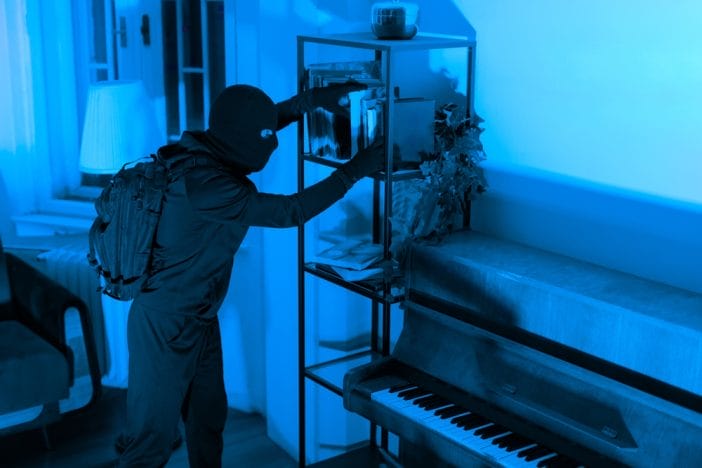
A burglar scans a home fast, moves with purpose, and grabs the easiest wins before slipping out. That reality creates a powerful advantage for anyone who knows where thieves actually look—and where they rarely bother. Smart storage choices can turn ordinary household items into low-risk vaults that blend into daily life.
Let’s go over clever, practical places that add an extra layer of protection without expensive upgrades. The right hiding strategy can protect cash, jewelry, documents, and backup drives while keeping everything within reach.
1. Inside Everyday Kitchen Items That Don’t Raise Suspicion
A crowded kitchen offers one of the best environments for creative concealment, especially when items look boring and overused. A sealed bag of rice, an empty flour container, or a box of pasta can hide a small waterproof pouch that holds cash or a flash drive. Thieves rarely dig through pantry staples because time pressure pushes them toward drawers, bedroom closets, and obvious lockboxes.
A smart setup includes double-bagging items to protect against spills and labeling containers so no one tosses them by mistake. Avoid anything that spoils quickly or requires frequent access, since repeated handling increases the chance of discovery. Rotate the hiding place every few months to reduce patterns, especially if guests or service workers visit often. Keep the stash small and focused on essentials like emergency cash or backup IDs. This approach blends security with practicality while staying completely off a thief’s radar.
2. Behind and Beneath Fixed Furniture That Stays Put
Heavy furniture creates dead zones that most intruders ignore because moving bulky items costs time and noise. A dresser that never shifts, a bookcase anchored to the wall, or a sofa with a solid base can conceal slim containers or taped envelopes. The key lies in using areas that require effort to access, such as the underside of a frame or the narrow gap between a cabinet and the wall. These home hiding spots for valuables rely on friction, invisibility, and the assumption that nothing valuable sits in awkward spaces.
Use flat, secure pouches or magnetic tins that attach firmly and won’t slip if someone bumps the furniture. Avoid placing items directly on the floor where cleaning or moisture could damage them over time. Add a discreet marker or mental note so retrieval stays easy without obvious clues. This method works especially well for documents, spare keys, or small electronics. The combination of inconvenience and concealment makes this a reliable, low-tech defense.
3. In Plain Sight Within “Boring” Household Objects
The best hiding place sometimes sits right in the open, disguised as something too dull to matter. Old cleaning bottles, empty deodorant sticks, or hollowed-out books can hold valuables while blending into shelves and cabinets. Thieves often skip items that look cheap, used, or purely functional, which creates a powerful illusion of worthlessness
Choose items that match the room and don’t stand out due to unusual placement or condition. A hollow book fits naturally on a shelf among other books, while a modified container belongs under a sink or in a utility closet. Keep the modifications neat so nothing rattles or reveals tampering when handled. Avoid novelty safes that look gimmicky, since experienced burglars recognize common decoys. Subtlety wins every time when the goal is to look forgettable.
4. Within Less-Visited Areas Like Laundry and Utility Spaces
Laundry rooms, water heater closets, and breaker panels rarely attract attention during a quick break-in. These spaces feel unimportant, noisy, or inconvenient, which pushes them down a thief’s priority list. A small, sealed container behind a detergent box or near a utility pipe can hold essentials without drawing a second glance.
Protect contents from heat, humidity, and vibration by using durable, insulated containers. Keep distance from moving parts or electrical components to avoid safety risks. Place items where they won’t interfere with routine tasks, so daily use doesn’t expose the stash. Consider splitting valuables across multiple locations instead of relying on a single cache. Distribution reduces loss if one spot gets discovered.
Layered, Unpredictable Protection
Strong home security doesn’t rely on a single trick; it stacks small, smart decisions that frustrate quick searches. Combining decoy locations with less obvious placements forces intruders to waste time, which increases the chance they leave empty-handed. The most effective setups use a mix of concealment, inconvenience, and normal-looking clutter that discourages deeper digging.
Add simple habits to boost results, such as keeping a modest decoy stash in a typical drawer while placing real valuables in less obvious spots. Pair hiding strategies with basics like solid locks, outdoor lighting, and a visible security sign to deter entry in the first place. Document serial numbers and keep digital backups of critical paperwork in case recovery becomes necessary. Small, consistent actions create a strong safety net without turning the home into a fortress.
Which of these hiding spots would work best in your home setup? Let’s hear your thoughts about home safety in our comments below!
You May Also Like…
8 Overlooked Home Security Measures That Don’t Involve Cameras or Alarms
Is Your Smoke Alarm Expired? The 3-Minute Safety Check You Need to Do Now
9 DIY Projects That Can Lower Home Safety Ratings
7 DIY Projects That Lower Home Safety Scores
Related Posts
-

Hey clever friends, have I thanked you lately for reading? I'm still pretty new here…
-

Thinking about fixing up your home or rental property? You might assume that as the…
-

Life is all about the decisions we make. In fact, you could say…
-

Zoning laws shape how land is used in every city and town. But what happens…
-

Happy Holidays. Wishing you a beautiful holiday season and a new year of peace and…
-

Dating today is a blend of confidence, connection, and timing, but some men unknowingly rely…

Thank you very much for not only telling the average homeowner spots to hide stuff, but also alerting the “bad guys” as well!
My wife had her expensive gold and diamond jewelry displayed on top of her dresser for easy reach. When our house was broken into the thieves left the good stuff and took her boxes of cosmetic jewelry from her dresser drawers. They must have figured no one leaves good stuff on public display.