
This New Subscription Could Charge You Just to Open Your Garage Door
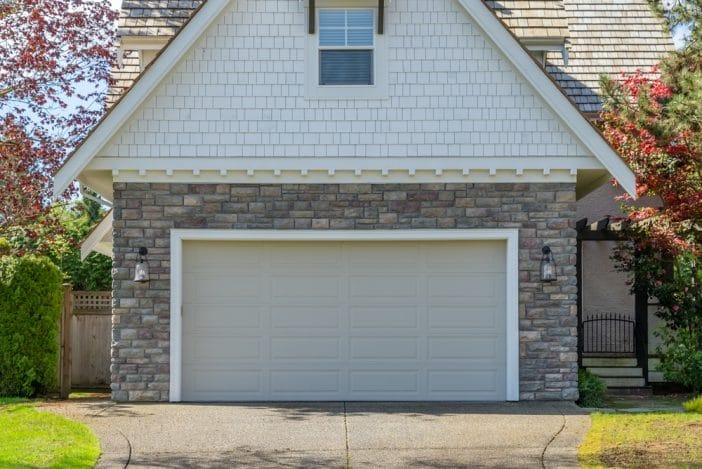
The modern home keeps getting smarter—but also sneakier when it comes to recurring costs. What once required a simple remote click could soon come with a monthly fee, turning everyday convenience into another line item on the household budget. A growing number of tech-enabled home devices now rely on subscriptions, and garage doors have quietly entered that ecosystem.
Companies pitch added security, app control, and remote access, but those perks sometimes hide behind paywalls. That shift raises a bigger question: how much are people willing to pay for access to things they already own?
The Rise of Subscription-Based Home Features
Subscription creep has already reshaped entertainment, software, and even car features, and home infrastructure now follows the same path. Garage door systems that once worked offline now integrate with apps, cameras, and cloud-based controls that require ongoing fees to unlock full functionality. Some companies offer basic access for free but charge for features like remote opening, activity alerts, or integration with smart home platforms. That creates a tiered system where the “standard” experience feels intentionally limited. As a result, homeowners may end up paying monthly just to access capabilities their hardware already supports.
This model thrives because it blends convenience with subtle pressure, making upgrades feel necessary rather than optional. A homeowner might initially skip the subscription but later opt in after missing a delivery or worrying about security alerts. Over time, that small fee blends into the growing list of digital subscriptions that quietly drain bank accounts. Many consumers don’t notice the cumulative impact until they review their monthly expenses. The shift from ownership to access marks a significant change in how everyday tools get monetized.
Why Garage Doors Became a Target
Garage doors offer the perfect mix of utility and vulnerability, which makes them attractive for tech upgrades—and subscription models. They serve as a primary entry point for many homes, so companies position premium features as essential for safety and control. Remote access, real-time notifications, and video monitoring all sound like must-haves in a world focused on convenience and security. That framing allows companies to justify recurring charges tied to “peace of mind.” The more essential the feature feels, the easier it becomes to monetize.
Manufacturers also benefit from predictable revenue streams instead of relying solely on one-time hardware sales. A connected garage system might cost a few hundred dollars upfront, but subscription fees can generate steady income for years. That model aligns with broader tech industry trends, where services drive profits more than products. Consumers, however, may not fully realize the long-term cost when making the initial purchase. What seems like a smart upgrade can quietly turn into a permanent expense.
The Hidden Costs Behind the Convenience
A $5 or $10 monthly fee may not sound like much, but it adds up quickly over time. Over five years, a $10 subscription totals $600—often more than the original device itself. That reality shifts the true cost of ownership far beyond what buyers expect at checkout. Some systems even require subscriptions for basic features, effectively locking functionality behind a paywall. That approach can leave homeowners feeling stuck after they’ve already invested in the hardware.
There’s also the risk of price increases or feature changes over time. Companies can adjust pricing tiers, limit free features, or bundle services in ways that push users toward higher plans. Consumers lose control once they depend on the ecosystem, especially if switching systems requires new hardware. This dynamic creates a long-term financial commitment rather than a one-time purchase. It also raises concerns about transparency and whether companies clearly communicate these ongoing costs upfront.

How to Avoid Paying for What You Already Own
Smart buyers can avoid unnecessary subscriptions by researching products before making a purchase. Look for garage systems that offer full functionality without requiring ongoing fees, or at least provide clear details about what the subscription includes. Reading reviews and checking user forums often reveals whether a product locks essential features behind paywalls. Asking these questions early prevents frustration later. A little upfront research can save hundreds of dollars over time.
Another strategy involves sticking with simpler, non-connected systems if advanced features aren’t truly necessary. Traditional garage door openers still provide reliable performance without recurring costs. For those who want smart features, consider third-party integrations that don’t rely on subscriptions. Comparing multiple brands helps identify which companies prioritize value over recurring revenue. Ultimately, the goal is to maintain control over both the device and the budget.
The Bigger Shift Toward Subscription Living
Garage door fees represent just one piece of a much larger trend reshaping consumer spending. From cars to kitchen appliances, companies continue finding ways to turn ownership into ongoing payments. This shift changes how people think about value, turning once-permanent purchases into temporary access points. It also challenges consumers to stay vigilant about where their money goes each month. Small subscriptions may seem harmless individually but can create a significant financial burden collectively.
Awareness remains the strongest defense against subscription overload. Consumers who actively track their expenses and question recurring charges stay in control of their finances. Companies rely on convenience and habit to keep subscriptions alive, so breaking that cycle requires intentional decision-making. The garage door example highlights how easily everyday tools can become monetized. That awareness empowers smarter choices in an increasingly subscription-driven world.
Paying to Open Your Own Garage?
Paying a subscription just to open a garage door might sound absurd, but it reflects a growing reality in modern home technology. Convenience often comes with strings attached, and those strings usually lead to recurring costs that add up over time. Smart homeowners take the time to evaluate whether those features truly deliver value or simply repackage existing functionality. Choosing the right system can mean the difference between a one-time investment and an ongoing expense. Staying informed ensures that convenience never quietly turns into a financial drain.
Would you pay a monthly fee just to access features on something you already own, or is this where you draw the line?
You May Also Like…
8 Overlooked Home Security Measures That Don’t Involve Cameras or Alarms
Your Home Could Be Shifting Right Now — 8 Signs of Foundation Settling
Car Subscription Services Are Becoming A New Financial Trap
6 Subscriptions That No Man Should Still Be Paying For
America’s New Addiction: Subscriptions You Forgot You Signed Up For
Related Posts
-

Homeownership comes with a lot of responsibility. Many people try to save money by doing…
-

Let’s face it—driving seems effortless until your car needs a $1,200 repair. It’s often not…
-

A phone call can drain a lifetime of savings in less than an hour. That…
-

A lazy relationship doesn’t fall apart because of some dramatic moment—it quietly withers from neglect.…
-

Stupid mistakes can cost a person, and my most recent dive into stupidity is going…
-

Adopting a pet is a major commitment in time, money, and energy. But that doesn't…
