
Think It’s Yours? These 10 Things You May Not Actually Own

Modern life comes with a surprising twist: paying for something does not always mean owning it. Companies increasingly sell access, licenses, memberships, and limited-use rights instead of true ownership, even when marketing makes a purchase feel permanent.
That distinction matters more than ever because it can affect money, privacy, inheritance plans, and everyday convenience. A closer look at some common purchases reveals that many items come with restrictions hidden in terms and conditions that most people never read.
1. Digital Movies and TV Shows
Buying a digital movie often feels exactly like buying a DVD, but the legal reality can differ dramatically. Most digital entertainment platforms sell a license to watch content rather than ownership of the content itself. That license usually comes with rules that limit how, where, and when the content can be viewed.
In rare cases, licensing agreements between studios and platforms change, causing purchased content to disappear from customer libraries. Consumers may keep access for years, but the fine print frequently grants companies significant control over that access.
2. E-Books
Many readers build massive digital libraries and assume those books belong to them forever. In reality, most e-books come with licensing agreements that grant reading rights instead of unrestricted ownership. The seller often retains authority over how the content gets distributed and accessed.
That arrangement can create surprises when accounts close or platform policies change. Unlike a physical book that can sit on a shelf for decades, a digital title depends on technology, account access, and ongoing platform support.
3. Software Programs
Software companies once sold boxed products that consumers installed and used indefinitely. Today, most software operates under licensing agreements that define exactly what customers can and cannot do. Even expensive software purchases frequently involve limited rights rather than outright ownership.
Subscription models have made this distinction even more obvious. Stop paying for many modern programs, and access to key features often disappears immediately despite years of previous payments.
4. Video Games
Gamers spend billions each year on digital downloads, expansion packs, and virtual content. While those purchases feel permanent, many games operate under user agreements that grant access rather than ownership. Publishers often reserve the right to modify services, online features, or account privileges.
The issue becomes especially noticeable with online-only games. When servers shut down, players can lose access to content they purchased, sometimes leaving behind little more than memories and screenshots.
5. Loyalty Points and Rewards
Airline miles, hotel points, and credit card rewards often feel like valuable personal assets. However, companies generally maintain broad authority over those programs and can change redemption values, expiration rules, and eligibility requirements. Customers participate according to terms established by the provider.
A large points balance may look like money in an account, but it rarely carries the protections associated with cash. Program changes can reduce value overnight without violating the agreement customers accepted.
6. Social Media Accounts
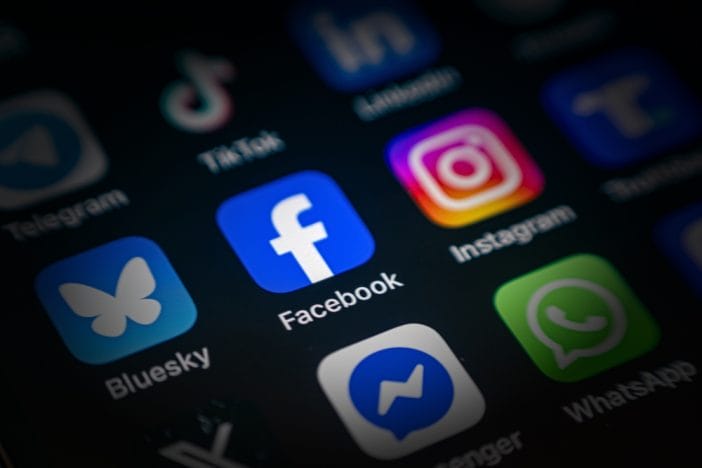
Many people invest years building audiences, content libraries, and personal brands on social media platforms. Despite that effort, users usually do not own their accounts in the traditional sense. Platform terms often grant companies substantial control over account management and content moderation.
Suspensions, policy violations, or platform shutdowns can dramatically impact access. That reality explains why business experts often encourage creators to maintain websites and email lists they control directly.
7. Music Streaming Libraries
Curated playlists can represent hundreds of hours of effort and years of listening history. Yet streaming subscribers generally pay for access to a catalog rather than ownership of the music itself. Songs remain available only while licensing agreements stay in place.
Tracks occasionally disappear when rights holders and streaming services renegotiate contracts. A favorite album available today may vanish tomorrow without warning, even for long-term subscribers.
8. Domain Names
Website owners often talk about owning a domain name, but the arrangement works differently behind the scenes. Registrants essentially lease the right to use a domain for a specific period while following registry and registrar rules. Continued use depends on renewals and compliance with policies.
Miss a renewal deadline and someone else may acquire the address. Businesses have lost valuable domains simply because administrative details slipped through the cracks.
9. Gift Card Balances
A gift card feels almost like cash because it carries a stored dollar value. However, the issuing company controls the terms governing that balance, including fees, restrictions, and redemption policies where permitted by law. Ownership rights do not match those associated with money in a bank account.
Store closures can create additional complications. Depending on the circumstances, consumers may struggle to recover the full value remaining on unused cards.
10. Subscription-Based Smart Devices
Smart home technology has transformed everything from thermostats to security cameras. Many devices rely on cloud services, apps, and subscription features controlled by the manufacturer. Purchasing the hardware often represents only part of the relationship.
If a company discontinues support or changes subscription requirements, functionality can shrink significantly. A device sitting on the kitchen counter may physically belong to the buyer while key features remain tied to someone else’s service.
Ownership Isn’t Always What It Seems
The modern economy increasingly revolves around access instead of ownership, and that shift affects far more than entertainment and technology. Contracts, licenses, subscriptions, and user agreements now shape many purchases that once transferred complete control to the buyer.
What is the most surprising item on this list, and have you ever discovered that something you thought you owned actually came with unexpected restrictions? Share your thoughts and experiences in the comments.
You May Also Like…
New Reports Found That Many Auto Shops Now Use Digital Or Text-Based Repair Authorizations
Digital Privacy Experts Reveal 8 Phone Settings That Quietly Track You
10 Digital Safety Tips That Could Save You from a Costly Cyberattack
6 Estate Plans That Left Out Digital Assets and Caused Chaos
Related Posts
-

The tech industry offers a wide range of exciting and well-paying career opportunities, especially in…
-

It's been about 3 weeks since I issued our first-ever opinion poll here at Clever…
-

Inheritance disputes can turn families upside down. One small mistake—like a missing signature—can lead to…
-

Not all cars are created equal when it comes to repairability. Some brands are known…
-

Buying a used car is a smart financial move for many people, but the idea…
-

Few things are more frustrating than stepping into the shower expecting warm water—only to be…
