
The Hidden Side Effect of Weight-Loss Injections That Men Aren’t Talking About
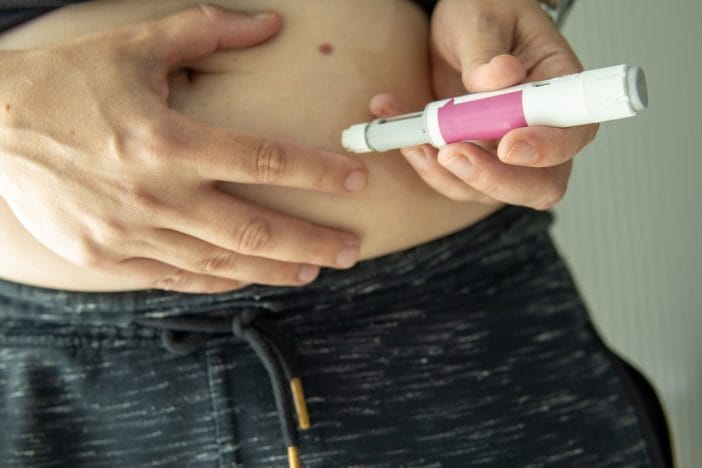
Weight-loss injections continue to reshape conversations around obesity treatment and metabolic health. Men across different age groups report rapid drops in appetite and steady weight loss that once felt difficult to achieve. Clinics highlight improvements in blood sugar control, waist size, and cardiovascular markers.
Yet a quieter conversation develops in the background, especially among men who notice unexpected changes in energy, drive, and overall physical balance. Those changes rarely show up in glossy marketing materials, but they matter in day-to-day life.
What These Injections Do Inside the Body and Why Men Notice Changes Slowly
They influence gut hormones that regulate appetite and blood sugar. They slow digestion and reduce cravings in powerful ways. They also affect how the brain signals hunger and reward. Men often experience steady weight loss before they notice other body changes.
These medications mimic GLP-1 hormones that naturally control insulin and appetite regulation. That mechanism helps explain why food intake drops so sharply within weeks of starting treatment. The body shifts into a lower-calorie rhythm without the same hunger cues that once drove eating patterns. Men who rely on consistent caloric intake for energy sometimes notice fatigue creeping in during workouts or long workdays. That shift sets the stage for secondary effects that many do not expect.
The Libido and Energy Conversation Many Men Hesitate to Mention
Energy levels often dip when calorie intake falls too quickly. Libido can shift as the body adapts to new weight and hormone patterns. Mood changes sometimes follow reduced food intake and rapid fat loss. Men often delay discussing these changes with healthcare providers.
Research continues to explore how GLP-1 medications influence testosterone levels indirectly through weight reduction and metabolic shifts. Fat tissue plays a role in hormone balance, so rapid fat loss can change androgen activity over time. Some men report improved confidence after weight loss, while others notice reduced sexual drive during early treatment phases. Energy fluctuations also appear during periods of low carbohydrate intake or insufficient protein consumption. These patterns highlight the importance of monitoring overall nutrition instead of focusing only on the scale.
Muscle Loss and Strength Changes That Catch Men Off Guard
Rapid weight loss can reduce both fat and lean muscle mass. Strength training often determines how much muscle the body retains. Protein intake becomes critical during treatment. Men sometimes overlook resistance exercise while focusing on weight reduction.
Clinical observations suggest that lean muscle loss can occur if calorie reduction happens too quickly without structured exercise. That effect matters because muscle supports metabolism, posture, and long-term weight management. Men who skip resistance training often notice a softer physique even after reaching lower body weight goals. Gym performance may also dip during the first few months of treatment due to reduced energy intake. A balanced approach that includes protein-rich meals and consistent strength work helps maintain physical performance during weight loss.
Digestive Changes and Nutrient Intake Challenges
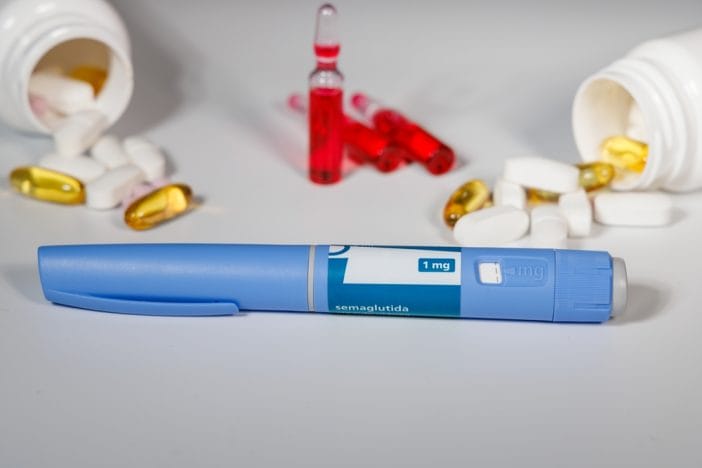
Weight-loss injections slow gastric emptying and reduce appetite significantly. That mechanism helps reduce overeating but can also limit nutrient variety. Some men eat smaller meals that lack full micronutrient coverage. Digestive discomfort sometimes appears during dose adjustments.
Constipation, bloating, and nausea rank among the most commonly reported gastrointestinal effects. These symptoms often decrease over time, but they still influence food choices and hydration habits. Men who rely on high-calorie convenience foods may struggle more with nutritional balance during treatment. Health professionals often recommend fiber-rich foods, steady hydration, and smaller balanced meals throughout the day. Those adjustments help stabilize digestion and support long-term comfort during medication use.
Behind These Changes and What Men Should Watch Going Forward
Weight-loss injections deliver powerful metabolic benefits, but they also reshape how the body manages energy and hormones. Men often focus on visible weight loss while overlooking shifts in strength, libido, and digestion. Those hidden changes rarely signal danger, but they still influence quality of life in meaningful ways. Awareness helps men adjust habits before small issues become bigger concerns.
What changes have you noticed if you use weight-loss injections, and which effects seem most surprising? Let’s chat about this important topic below in our comments.
You May Also Like…
Could GLP-1 Drugs Do More Than Aid Weight Loss? Some Studies Link Them to Lower Tumor Risk
Men’s Health Experts Warn About the Energy Drink Habit Damaging Sleep and Testosterone
Beer Belly or Silent Killer? New Research Links Visceral Fat to a Higher Risk of Heart Attacks
Hidden Sugars in “Healthy” Energy Drinks Are Destroying Men’s Teeth — Dentists Warn of Acid Erosion
The Alcohol Pattern Destroying Men’s Health Faster Than Smoking — Experts Reveal the Real Threat
Related Posts
-

Wanting a reliable car doesn't mean you have to spend a ton of money. A…
-

Since it's tax time, and I'm a personal finance blogger, I'm getting tons of suggestions…
-

Marriage trends have always been a hot topic, but lately, there’s a surprising shift: men…
-

Today's post is a short one, reminding you to enjoy your holidays to the fullest.…
-
(Guest Post by Heather C. Stephens) You know that pit in your stomach feeling you…
-

Divorce is never easy, but when assets and finances are on the line, it can…
