
Beer Belly or Silent Killer? New Research Links Visceral Fat to a Higher Risk of Heart Attacks
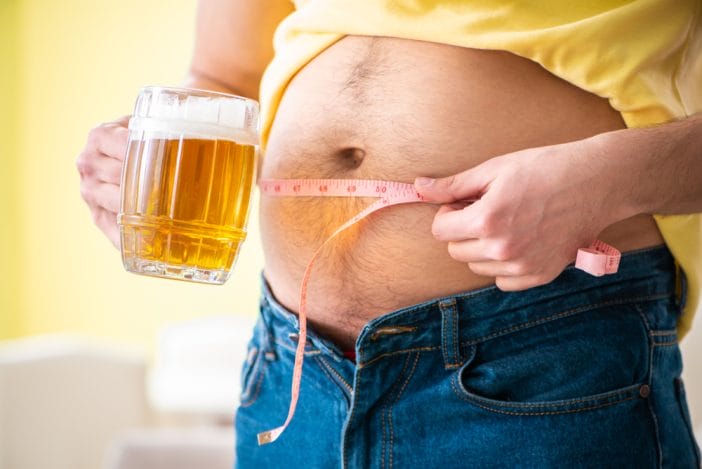
A growing wave of research now puts visceral fat under a very bright spotlight, and the results feel hard to ignore. Scientists keep finding strong links between deep belly fat and a higher risk of heart attacks, even in people who look “normal” on the outside. That stubborn “beer belly” does more than change waistlines; it actively surrounds vital organs and disrupts how the body functions. Many people focus on weight alone, yet this hidden fat tells a much louder health story. The real concern comes from how aggressively visceral fat interacts with the heart, liver, and metabolic system at the same time.
Health experts now warn that visceral fat behaves differently from the softer fat under the skin. It releases inflammatory chemicals that travel through the bloodstream and stress the cardiovascular system. This process can happen quietly for years without obvious symptoms. People may feel fine while their arteries face increasing strain. That gap between appearance and internal risk makes visceral fat one of the most deceptive health threats in modern nutrition science.
Why Visceral Fat Hits Harder Than It Looks
Visceral fat builds deep inside the abdominal cavity and wraps around organs like the liver and intestines. Unlike surface fat, this type of fat acts like an active organ that sends chemical signals throughout the body. Those signals often trigger inflammation and disrupt hormone balance in ways that raise long-term health risks. The body reacts to this constant internal stress with changes that affect blood pressure, cholesterol, and blood sugar. Over time, that combination sets the stage for cardiovascular problems that develop quietly but progress quickly.
Researchers often describe visceral fat as metabolically active, and that activity creates real consequences. It releases fatty acids directly into the liver, which can increase harmful cholesterol levels in the bloodstream. That process forces the heart to work harder while blood vessels lose flexibility. People may not notice symptoms right away, but internal strain continues to build. This hidden activity explains why doctors now focus on waist measurements as much as body weight when assessing risk.
The Heart Attack Connection Researchers Keep Seeing
Recent studies consistently connect higher levels of visceral fat to increased chances of heart attacks. Researchers point to inflammation as one of the main drivers behind this risk. Inflamed blood vessels struggle to function properly, which encourages plaque buildup in arteries. That buildup narrows blood flow and raises the likelihood of a cardiac event. The combination of inflammation and restricted circulation creates a dangerous environment inside the body.
Medical teams also highlight how visceral fat affects insulin resistance and blood sugar control. When the body loses control over glucose levels, it strains the cardiovascular system even more. Elevated blood sugar damages blood vessel walls and accelerates plaque formation. People with larger waistlines often show these metabolic patterns even when their overall weight stays in a “normal” range. That hidden connection makes visceral fat a stronger predictor of heart risk than many traditional measures.

What Drives Visceral Fat to Build Up Faster
Diet plays a major role in how quickly visceral fat accumulates around internal organs. Foods high in added sugar, refined carbs, and ultra-processed ingredients push the body toward fat storage in the abdominal area. Alcohol intake also contributes, especially when it increases overall calorie consumption without nutritional balance. A sedentary lifestyle adds another layer to the problem by slowing metabolism and reducing fat burning efficiency. These combined habits create a perfect environment for deep belly fat to grow.
Stress levels also influence how the body stores fat, especially around the midsection. High cortisol levels encourage the body to store energy in the abdominal region rather than using it efficiently. Sleep deprivation intensifies this effect by disrupting hunger hormones and increasing cravings for high-calorie foods. Genetics also play a role, but lifestyle choices often determine how strongly those genes express themselves. These overlapping factors explain why visceral fat often builds silently over time.
What This Means for Everyday Health Choices
Visceral fat changes the conversation around health because it focuses attention on internal risk rather than appearance alone. A person can look fit on the outside while still carrying dangerous levels of internal fat. That reality pushes doctors to recommend lifestyle shifts that target metabolism, not just weight loss. Regular movement, strength training, and fiber-rich diets all help reduce visceral fat over time. Consistency matters more than intensity when it comes to reversing internal fat buildup.
Small daily decisions create powerful long-term effects on heart health. Choosing whole foods, limiting sugar intake, and staying physically active all support healthier fat distribution. Even moderate changes in activity levels can improve insulin sensitivity and reduce inflammation markers. People who track waist circumference often notice progress before the scale reflects major change. That shift reinforces a key message: internal health drives long-term survival far more than surface appearance.
The Hidden Danger Sitting Inside the Waistline
Visceral fat reshapes how the body functions from the inside out, and research continues to tighten the link between this hidden fat and heart attack risk. The biggest concern comes from how quietly it operates while causing serious damage beneath the surface. People who take control of diet, movement, and stress management give their hearts a stronger defense against this silent threat. Awareness turns into action when small habits start stacking up in the right direction. The real win comes from protecting the heart long before symptoms ever appear.
What changes feel most realistic for reducing visceral fat in everyday life, and which habits seem the hardest to break?
You May Also Like…
Hidden Sugars in “Healthy” Energy Drinks Are Destroying Men’s Teeth — Dentists Warn of Acid Erosion
7 “Healthy” Comfort Foods That Are Actually Spiking Your Blood Sugar
Doctors Reveal 6 Foods That Can Worsen Ringing in the Ears
Men’s Silent Killers: 5 Mild Symptoms That Signal Serious Health Problems
7 Foods Men Over 55 Should Avoid If They Want to Stay Independent
Related Posts
-

AAA estimates that car maintenance costs average around $800 annually, which breaks down to about…
-

Security cameras are everywhere now, even in quiet neighborhoods. Many homeowners associations (HOAs) install surveillance…
-

Whether you like it or not, change is a part of life. And for many…
-

Disclaimer: Kia provided me with a 2012 Kia Rio SX sedan (not the hatchback) for…
-

Renovating your home can be an exciting and rewarding experience, but it often involves a…
-

Are you planning a home renovation or repair? Hiring a professional contractor can be smart,…
