
Plumbers Hate These “Flushable” Products — They’re Destroying Sewage Systems
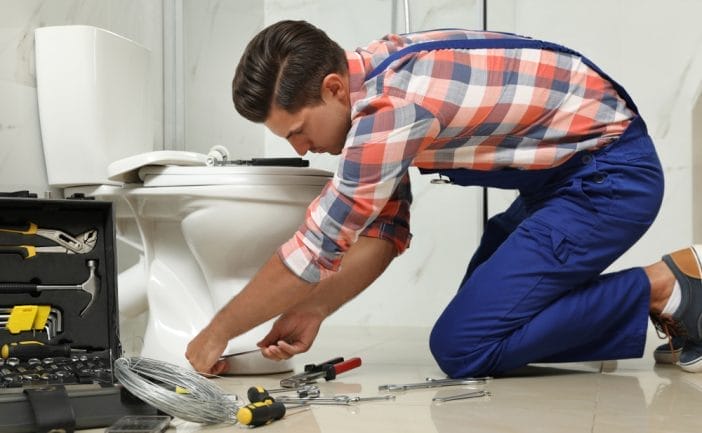
Flushable wipes carry a reassuring label, but sewer systems across the country tell a very different story. These products quietly create massive blockages that spread through pipes in homes, neighborhoods, and entire cities. Municipal crews regularly face emergencies caused by materials that refuse to break down as promised. What looks harmless at the toilet bowl often turns into a costly infrastructure nightmare underground.
Plumbing experts continue raising alarms as these products increase strain on aging sewer systems nationwide. Wastewater facilities report rising maintenance costs linked directly to so-called flushable items. Even modern treatment plants struggle when materials cling together with grease and debris. The result shows up in flooded basements, backed-up toilets, and repair bills that hit households without warning.
The Hidden Problem Behind “Flushable” Wipes
Manufacturers market certain wipes as “flushable,” but sewer systems across the United States tell a different story. These wipes stay intact long after flushing and refuse to break down like standard toilet paper. Workers in wastewater plants regularly pull massive tangled masses, often nicknamed “fatbergs,” from clogged pipes. These buildup clusters continue growing as more material enters the system each day. City maintenance crews report that these clogs rank among the most frequent and expensive plumbing issues today.
These blockages form when wipes mix with grease and other household waste inside sewer lines. The fibers lock together and create dense mats that resist water flow. Once that happens, even small amounts of debris can trigger major backups throughout the system. Municipal teams often need specialized equipment to break apart these hardened masses. Sewer operators across the country continue warning that these products create preventable infrastructure strain.
How These Products Clog America’s Sewer Systems
Flushable products travel through household plumbing and enter municipal sewer lines within minutes. Once inside, they absorb moisture but fail to disintegrate, unlike toilet paper designed to dissolve quickly. This resistance allows them to snag on pipe joints, bends, and rough surfaces inside aging infrastructure. Over time, these snag points collect more debris and reduce water flow dramatically. Many sewer engineers describe this process as the start of large-scale system failures.
Other debris then sticks to these fibers, creating larger blockages that grow over time. Grease from kitchen drains often accelerates this buildup and turns small clogs into major obstructions. In older American cities, outdated pipes make the problem even worse. Maintenance teams must frequently clear emergency backups caused by these combined materials. Many U.S. cities report rising maintenance costs directly linked to these products.
The Real Cost Of Plumbing Disasters For Households
Homeowners often face sudden sewer backups that flood bathrooms and basements without warning. Plumbing repair bills for these incidents often range from several hundred to several thousand dollars. Insurance policies sometimes exclude damage caused by preventable clogs, leaving families to cover the expense. Contaminated water can also damage flooring, drywall, and personal belongings in a matter of hours. These situations often create urgent and stressful cleanup efforts that disrupt entire households.
Professional plumbers frequently use high-pressure jetting or pipe replacement to fix severe blockages. These repairs require time, specialized tools, and access to underground lines that sit deep beneath homes. Scheduling emergency service often increases costs even further during urgent situations. Families often face temporary loss of water access while repairs take place. These repairs disrupt daily life and create unexpected financial stress for households.
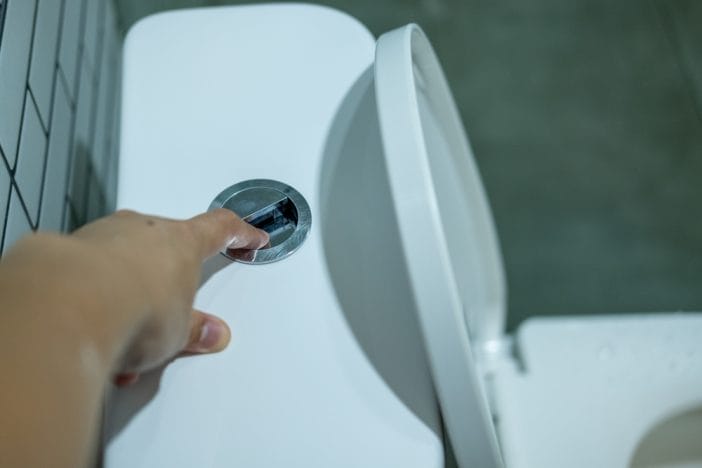
What Plumbers Actually Recommend Instead
Professional plumbers consistently advise limiting flushes to toilet paper and human waste only. They recommend placing wipes, even those labeled flushable, into a trash bin instead of the toilet. Many experts also suggest regular drain maintenance to prevent buildup inside older plumbing systems. Clear household habits reduce strain on both private pipes and public infrastructure. These practices protect homes from avoidable emergencies and expensive repairs.
Simple habits like using less paper per flush help reduce strain on household pipes. Homeowners who follow these guidelines often avoid the most common causes of sewer backups. Plumbing professionals emphasize prevention because repairs always cost more than prevention. Consistent awareness helps households avoid misleading marketing claims about “flushable” products. These small changes significantly lower the risk of costly plumbing emergencies.
A Smarter Way To Protect Your Plumbing And Wallet
Small decisions at home directly affect the health of entire sewer systems. Choosing not to flush problematic products prevents large-scale blockages in municipal infrastructure. Communities save millions when households follow basic plumbing guidelines. Sewer systems function more efficiently when waste streams remain simple and predictable. Responsible habits help extend the life of aging public utilities across the country.
Awareness of product labels helps households avoid misleading marketing claims. Smarter flushing habits keep plumbing systems working efficiently for years. Plumbers continue stressing that prevention starts with everyday choices in the bathroom. Even small adjustments create long-term benefits for both homes and cities. Better awareness today prevents expensive disasters tomorrow.
What other household “conveniences” seem harmless but secretly cause major damage behind the scenes? Share thoughts and experiences in the comments below.
You May Also Like…
6 Secret Things Your Plumber Judges You For When Fixing Your Bathroom
Can You Aim That Ring Cam at Your Neighbor? 5 Legal Mistakes Men Make With Home-Security Cameras
Ignoring Mold Costs Homeowners Thousands — How to Spot and Stop It Before It’s Too Late
If Your Toilet Won’t Stop Running, Try This Before Calling a Plumber
3 Sensible Ways to Boost Your Home’s ROI
Related Posts
-

We’ve all seen it—alarms blaring, warnings flashing, and yet some men seem to tune out…
-

Buying a car is a big deal. For most people, it’s one of the most…
-

I've been running a give away for a copy of Todd Tresidder's "How Much Money…
-

In recent years, a troubling trend has emerged: more men are dying alone in hospitals…
-

Doing your own concrete work can save money and provide a sense of accomplishment—but it’s…
-

There are so many cool DIY projects that are trending online. Pinterest and online forums…
