
Can You Aim That Ring Cam at Your Neighbor? 5 Legal Mistakes Men Make With Home-Security Cameras
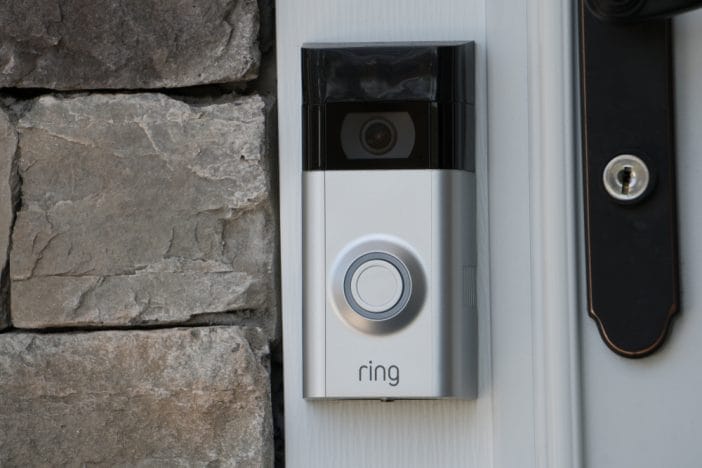
Home security cameras promise peace of mind, but they can quietly create legal chaos when placed without care. Many homeowners install Ring-style cameras to protect packages, deter break-ins, and monitor activity around the house, but a simple angle change can cross a legal line. Neighbors notice lenses, recordings, and motion alerts faster than most people expect. What feels like protection can suddenly look like surveillance. That tension often leads to complaints, police visits, or even civil disputes.
Privacy expectations vary, but one rule stays consistent: people generally cannot record others in spaces where they expect privacy. That includes parts of neighboring yards, windows, and shared property lines, depending on local laws. Homeowners often assume “my property, my rules,” but courts don’t always agree. Smart placement matters just as much as smart technology.
1. Pointing Cameras Directly Into a Neighbor’s Yard Without Realizing the Risk
Many homeowners aim cameras outward to maximize coverage, but this often leads directly into a neighbor’s yard or windows. That setup can trigger privacy complaints, especially if the camera captures activities like grilling, sunbathing, or family gatherings. Even if the intent focuses on security, perception drives conflict faster than intention. Neighbors may interpret the angle as intentional surveillance rather than protection. Disputes often escalate when footage becomes visible or gets used in arguments.
Courts in the U.S. typically allow recording of public-facing areas, but private spaces create legal gray zones. A camera that constantly records beyond property lines increases liability risks for the owner. Adjusting the angle slightly downward or inward often solves the issue without losing security value. Homeowners should always think about what the camera captures beyond their fence before finalizing installation.
2. Recording Audio Without Knowing State Consent Laws
Many smart security cameras include audio recording by default, and that feature creates serious legal risk. Some states require two-party consent, which means everyone being recorded must agree to it. Other states allow one-party consent, but confusion often leads to accidental violations. Homeowners often overlook this setting during installation and leave audio running without understanding the consequences. That small oversight can turn a security system into a legal liability.
Audio recordings become especially sensitive in disputes with neighbors or visitors. A harmless conversation picked up on a porch can later become evidence in a complaint or lawsuit. Turning off audio or reviewing state laws helps reduce unnecessary risk. Homeowners should treat audio features as carefully as video angles because both fall under privacy laws in many jurisdictions.
3. Installing Cameras in Shared or Semi-Private Spaces
Driveways, sidewalks, and shared fences often seem like fair game for surveillance, but those spaces carry legal complications. Shared areas fall into a gray zone where multiple people hold privacy expectations. A camera pointed at a shared driveway can unintentionally record neighbors coming and going. That setup often leads to disputes, especially in tightly packed suburban neighborhoods. Even apartment communities frequently restrict surveillance in shared hallways or entrances.
Legal issues grow when recordings capture repeated activity from people who do not live on the property. Courts often weigh reasonable expectation of privacy when reviewing complaints. A camera aimed too broadly can be interpreted as intrusive even if no harm occurs. Narrowing the field of view helps reduce exposure while still maintaining security coverage.
4. Ignoring HOA Rules or Local Ordinances on Surveillance
Homeowners often overlook one major layer of rules: HOA bylaws and city ordinances. Many HOAs set strict guidelines on where cameras can face and what areas they can record. Some communities even require approval before installation. Local governments may also enforce rules about visible surveillance equipment in certain residential zones. Skipping these steps can lead to fines or forced removal.
Conflicts with HOAs often escalate faster than neighbor disputes because written rules already exist. Once a violation occurs, enforcement usually moves quickly. Reviewing community regulations before installation prevents expensive mistakes. A quick check of local codes and HOA documents often saves homeowners from future headaches.
5. Failing to Secure Footage and Allowing Uncontrolled Access
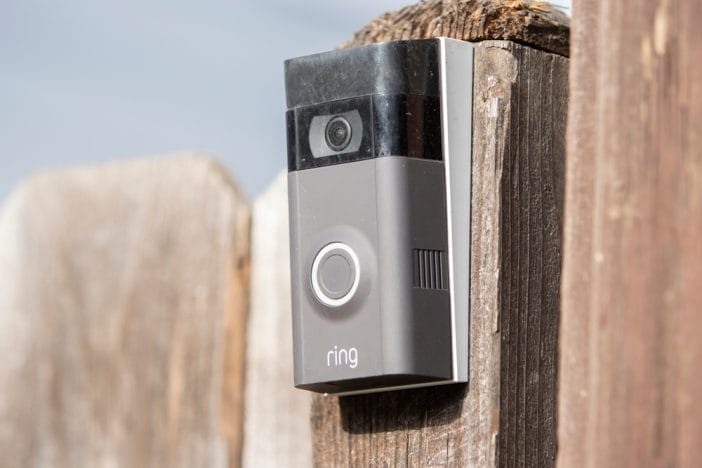
Security cameras protect homes, but poorly secured systems create their own risks. Weak passwords, shared accounts, or unsecured Wi-Fi networks can expose footage to outsiders. Hackers often target smart home devices because users underestimate their vulnerability. Once someone gains access, private footage can spread or get misused. That risk turns a security tool into a privacy threat.
Proper security practices make a huge difference in protecting footage. Strong passwords, two-factor authentication, and regular updates reduce exposure significantly. Homeowners should also limit who can access camera feeds within apps or cloud services. Treating camera security like banking security helps prevent unnecessary breaches.
Smart Camera Placement and Legal Safety
Security cameras offer powerful protection, but placement and setup determine whether they help or hurt homeowners legally. Misaligned angles, misunderstood audio laws, and ignored community rules create the biggest problems. Most disputes do not start with bad intentions, but they escalate when surveillance crosses personal boundaries. Smart homeowners focus on coverage without intrusion and security without conflict. A few careful adjustments often prevent legal headaches before they ever begin.
What do you think: should homeowners have full freedom over where their security cameras point, or should stricter privacy limits apply?
You May Also Like…
3 Sensible Ways to Boost Your Home’s ROI
Tool Safety Warning: Over 400,000 ER Visits a Year Involve Hand Injuries From DIY Projects
Men Over 30: The Personal-Safety Habit Experts Say You’re Ignoring
Is Your Smoke Alarm Expired? The 3-Minute Safety Check You Need to Do Now
Why More Americans Are Covering Their Cameras—and What Prompted the Shift
Related Posts
-

Every year, countless men make the same financial misstep: buying cars that stretch their budgets…
-

Yesterday was Valentine's Day, which for many traditionally includes going out for dinner to celebrate.…
-

While I tend to look for certified pre-owned dealers (or buy from the dealer, in…
-
Last Friday I visited the doctor and found out I have a herniated disk. I've…
-
Even though Stacie and I have a pact that we don't eat out for dinner…
-

The ocean is a magical, mysterious place filled with creatures that glow, waves that can…
