
Hands-Free or Ticket: The Crackdown on Phone Use Behind the Wheel Intensifies
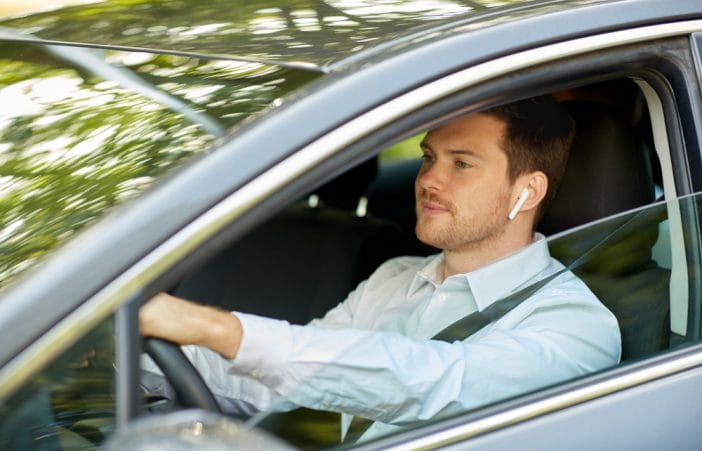
Drivers across North America now face a very different reality on the road, where a quick glance at a phone can lead to a costly ticket and long-term financial headaches. Law enforcement agencies continue to tighten distracted driving rules as crash data links phone use to thousands of preventable accidents every year. Streets, highways, and even quiet suburban roads now fall under increased surveillance for drivers who hold phones, scroll screens, or tap notifications while moving. Insurance companies track these violations closely, and they often raise premiums after even a single offense. The message from lawmakers and traffic safety officials grows louder each year: phones and driving no longer mix in any safe or affordable way.
This crackdown does not target occasional mistakes alone, since enforcement now focuses on habits that drivers repeat without thinking. Many jurisdictions expand hands-free requirements and raise fines to discourage even brief interactions with mobile devices. Police officers now prioritize distracted driving patrols during rush hours, when traffic density increases crash risk. Drivers who once treated texting at red lights as harmless now face citations for that behavior in many regions. Road safety experts argue that consistency in enforcement helps reshape driving behavior faster than warnings ever could.
Hands-Free Laws Get Tougher Across North America
Governments across the United States and Canada continue tightening hands-free driving laws to reduce distraction-related crashes. Many regions now ban holding a phone at any time while driving, including while stopped in traffic or waiting at intersections. Officers enforce these rules with growing frequency because distracted driving contributes to a significant share of roadway collisions each year. Some provinces and states also impose escalating penalties for repeat offenders, which can include license points and mandatory safety courses. Lawmakers aim to close loopholes that once allowed drivers to justify “quick checks” at stoplights.
Police departments also expand enforcement strategies to catch drivers who try to hide phone use. Officers position patrol units at higher vantage points, such as overpasses and large vehicles, to spot drivers holding devices below window level. Some regions deploy targeted enforcement waves during holiday weekends and commuter peaks to increase visibility and deterrence. Messaging boards along highways now display reminders about fines and penalties to discourage distracted habits before drivers even reach busy roads. These combined efforts signal a clear shift toward zero tolerance for handheld phone use behind the wheel.
What Counts as Distracted Driving Now
Distracted driving laws no longer focus only on texting, since modern statutes cover a wide range of phone-related behaviors. Drivers now face penalties for scrolling apps, watching videos, typing navigation addresses, or holding devices for any reason while operating a vehicle. Even brief interactions at red lights or stop-and-go traffic can trigger citations in strict jurisdictions. Lawmakers designed these rules to address the fact that attention shifts away from the road even during short phone interactions. Safety officials stress that a two-second glance can create enough delay to miss sudden braking or pedestrian movement.
Hands-free systems now receive strong encouragement, but they do not eliminate distraction entirely. Voice commands, dashboard screens, and Bluetooth systems still demand mental focus that competes with driving attention. Many safety studies show that cognitive distraction reduces reaction time even when drivers keep both hands on the wheel. Drivers often underestimate this mental load and assume technology fully protects them from risk. Authorities continue updating laws to reflect the growing complexity of in-car tech and its effect on driver awareness.
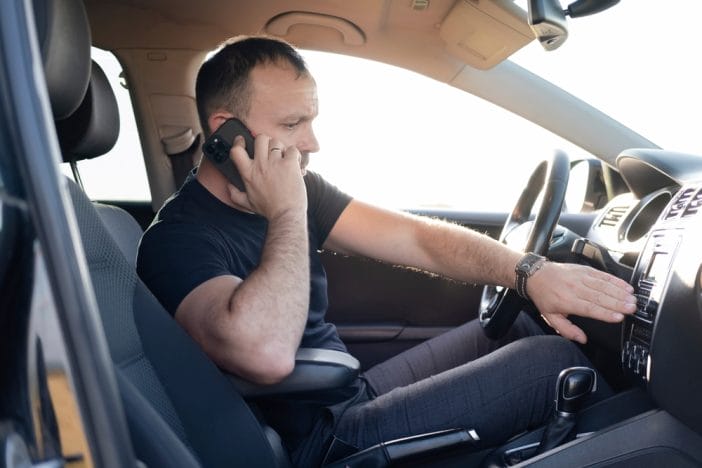
The Real Cost: Tickets, Insurance, and Job Risks
Distracted driving tickets carry financial consequences that stretch far beyond the initial fine. Many regions impose penalties ranging from a few hundred dollars to well over a thousand dollars depending on location and offense history. Insurance providers also increase premiums after violations, which can cost drivers hundreds of dollars per year for several years. A single ticket can trigger a chain reaction that raises household transportation expenses long after the stop sign encounter ends. Some insurers even label distracted driving violations as high-risk behavior similar to impaired driving in certain rating systems.
Employment risks also rise for drivers who use phones behind the wheel for work-related tasks. Companies that operate delivery fleets, service vehicles, or rideshare partnerships often enforce strict no-phone policies. A violation in a company vehicle can lead to disciplinary action, job loss, or legal exposure for the employer. Crash investigations increasingly reveal phone usage moments before collisions, which strengthens liability claims in court. These financial and professional consequences push many workplaces to adopt strict monitoring tools and driver safety programs.
Tech That Helps—and Sometimes Hurts Drivers
Modern vehicles include advanced technology designed to reduce phone dependence, but that same technology sometimes increases distraction risks. Built-in navigation systems, touchscreens, and entertainment panels encourage drivers to interact with digital interfaces more often than ever before. Automakers promote these systems as safety improvements, yet safety experts warn that screen-heavy dashboards still pull attention away from the road. Even a simple music change or route adjustment can shift focus at the wrong moment. Drivers now navigate a balance between convenience and safety inside increasingly digital vehicles.
Smartphones also continue to compete for attention through constant notifications, alerts, and messages. Many drivers feel pressure to respond quickly because communication now runs at a nonstop pace. That urgency often leads to risky decisions like checking messages at stoplights or glancing at notifications while driving. Crash reports frequently show that “just one second” moments lead to rear-end collisions or lane departures. Technology continues evolving, but human attention still sets the ultimate limit for safe driving.
Why the Crackdown on Phone Use Will Keep Intensifying
Road safety agencies continue expanding enforcement because distracted driving fatalities remain stubbornly high in many regions. Lawmakers respond by increasing fines, strengthening hands-free requirements, and closing loopholes that once allowed casual phone use. Insurance companies reinforce these efforts by linking violations directly to higher premiums and stricter policy terms. Public awareness campaigns also continue spreading the message that distraction creates real and immediate danger on the road. Every layer of enforcement works together to reduce behaviors that lead to preventable crashes.
What changes would help drivers stay fully focused behind the wheel: tougher fines, better car tech, or stronger education programs?
You May Also Like…
Why This Small Driving Violation Could Get Your Car Impounded on the Spot
Never Tell a Cop “I Know My Rights” — 5 Better Lines to De-escalate a Traffic Stop
7 Things You Should Never Admit During a Traffic Stop
Cops Say This One Item in Your Glovebox Could Get You Searched—Even If You’re Sober
Roadside Sobriety Scams: The Fake Police Checkpoints Preying on Drivers
Related Posts
-

As I approach 40, I frequently reflect on my friendships. Many of the people I…
-

Many people assume that once they’re gone, the bills stop, too. Unfortunately, that’s not how…
-

For many families, purchasing a burial plot or arranging a loved one’s final resting place…
-

When it comes to buying a car, longevity matters. Some vehicles are engineered for endurance,…
-

I just read an article about a man who lost homes to Katrina, but won…
-

I think about when my wife and I got engaged. It was such an exciting…
