
FBI Data Shows Vehicle Theft Remains a Risk—And Your Car Could Still Be a Target

Car theft isn’t some outdated crime stuck in the past—it’s evolving fast, and it’s hitting modern drivers where it hurts. New data reveals that vehicle theft continues to surge in surprising ways, targeting both older models and high-tech rides alike.
That sleek keyless entry system and fancy push-button start might look impressive, but they can also open the door to new kinds of theft. Drivers who assume newer cars equal better protection may face an unpleasant wake-up call. This article breaks down what’s really happening and how to stay one step ahead.
The Latest FBI Data Paints a Clear Picture of Risk
Although the numbers are lower than what experts have seen in previous years, recent FBI reports show that vehicle theft remains a major concern across the country, with hundreds of thousands of incidents reported annually. Thieves no longer rely on old-school tactics like hotwiring alone, as modern methods now involve digital tools and signal interception. Many stolen vehicles never get recovered, which leaves owners dealing with financial headaches and insurance battles. Certain makes and models get targeted more often, but criminals increasingly go after whatever looks accessible and easy. This trend signals one thing clearly: no vehicle sits completely outside the danger zone.
Urban areas see the highest numbers, but suburban neighborhoods have experienced a noticeable uptick in recent years. A quiet street and a driveway no longer guarantee safety, especially when thieves scout neighborhoods for patterns and opportunities. Data also shows that thefts spike during certain times of day, particularly overnight when cars sit unattended. The growing boldness of criminals has pushed this issue from a minor annoyance to a serious financial and personal risk. Staying informed gives drivers a powerful edge in protecting their property.
Why Modern Cars Aren’t Automatically Safer
Many drivers assume advanced technology equals better protection, but vehicle theft proves that assumption wrong. Keyless entry systems, for example, rely on wireless signals that thieves can intercept using inexpensive devices. A common tactic involves amplifying the signal from a key fob inside a home, tricking the car into thinking the owner stands nearby. Once access is gained, the vehicle can get driven away in seconds without triggering alarms. This method has grown so popular that it now accounts for a significant portion of stolen newer vehicles.
Luxury vehicles often come packed with features, which ironically makes them more appealing to tech-savvy criminals. Even mid-range cars with remote start or smartphone integration can become easy targets if owners don’t take extra precautions. Manufacturers continue improving security systems, but criminals adapt just as quickly. That cat-and-mouse game leaves everyday drivers responsible for adding extra layers of protection. Awareness of these risks helps prevent that “it won’t happen here” mindset from taking hold.
The True Cost of Losing a Vehicle
Vehicle theft hits far harder than the initial shock of an empty parking spot. Financial losses pile up quickly, especially when insurance doesn’t fully cover replacement costs or personal items inside the car. Many victims also face increased premiums after filing a claim, which adds long-term financial strain. Beyond money, losing a vehicle disrupts daily routines like commuting, school drop-offs, and errands. That inconvenience alone can ripple through every part of life.
Emotional stress also plays a major role, as many drivers feel violated after a theft. The sense of security that once came with owning a vehicle suddenly disappears. Some people even report anxiety about parking in public or leaving their car unattended again. These hidden costs don’t show up on a receipt, but they carry real weight. Taking preventive steps can help avoid both financial damage and that lingering unease.
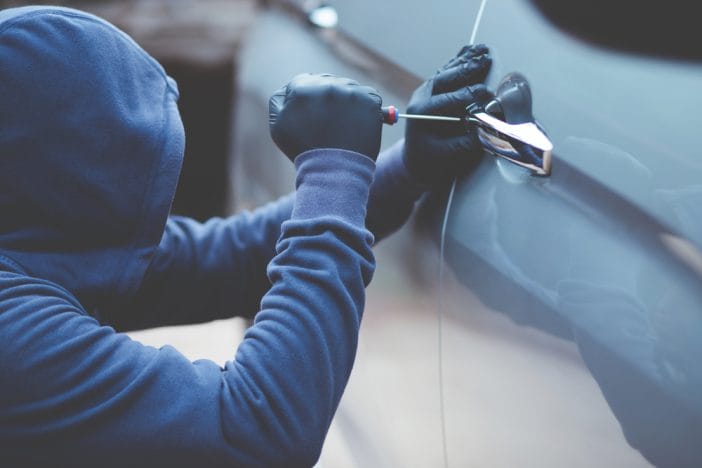
Simple Habits That Make a Big Difference
Small daily habits can dramatically reduce the chances of vehicle theft. Locking doors, closing windows, and removing valuables from plain sight create immediate barriers for opportunistic criminals. Parking in well-lit areas or inside a garage adds another layer of protection that thieves often avoid. Even something as simple as turning wheels toward the curb can make a vehicle harder to tow. These habits require minimal effort but deliver meaningful results.
Consistency matters more than perfection when it comes to prevention. A driver who locks up every time reduces risk far more than someone who relies on luck. Installing visible deterrents like steering wheel locks can also send a clear message to would-be thieves. Criminals often choose the easiest target, so making a car slightly harder to steal can push them elsewhere. That small shift can mean the difference between safety and loss.
Smart Tech That Actually Helps Protect Your Car
While some technology creates vulnerabilities, other tools actively fight vehicle theft. GPS tracking devices allow owners to locate stolen vehicles quickly, increasing recovery chances. Modern alarm systems now include smartphone alerts that notify owners instantly if something seems off. Dash cams with motion detection can capture suspicious activity before a theft even occurs. These tools transform a passive car into an actively monitored asset.
Layering technology with good habits creates a strong defense strategy. For example, combining a steering wheel lock with a tracking device and secure parking significantly lowers risk. Some insurance companies even offer discounts for vehicles equipped with anti-theft systems. That financial incentive adds another reason to invest in protection. Smart choices today can prevent expensive problems tomorrow.
High-Risk Situations Drivers Often Overlook
Certain situations quietly increase the likelihood of vehicle theft without drivers realizing it. Leaving a car running unattended, even for a quick errand, creates an easy opportunity for criminals. Public parking lots during busy shopping hours also attract thieves who blend into crowds. Long-term airport parking presents another risk, especially when vehicles sit untouched for days. Each of these scenarios creates a window of vulnerability that criminals exploit.
Seasonal patterns also play a role, with theft rates often rising during colder months when drivers warm up their cars. That quick “just a minute” decision can turn into a costly mistake. Social media can even contribute to risk when drivers share location details or travel plans publicly. Criminals pay attention to those clues more than many people realize. Recognizing these patterns helps drivers avoid preventable mistakes.
Staying Ahead of Vehicle Theft
Vehicle theft continues to evolve, but smart drivers don’t have to fall behind. Staying informed, building consistent habits, and using the right tools can dramatically reduce risk. Every layer of protection adds friction that criminals don’t want to deal with. The goal isn’t perfection—it’s making a vehicle a less attractive target than the one parked next to it. That mindset shifts control back into the driver’s hands.
What steps will get added to your daily routine to keep your car safe? Let’s hear your advice, insight, and ideas in the comments section below.
You May Also Like…
Catalytic Converter Theft Claims Dropped Last Year But Remain A Top Insurance Concern
8 Cars That Should Have Never Been Sold — Some Were Downright Dangerous
Car Theft Spike: Keyless-Entry Vehicles Are Linked to a Big Rise in Theft Claims
The Right to Repair Battle That Could Change How Cars Get Fixed
10 Vintage Cars That Pay Off Big When Restored
Related Posts
-

A quiet suburban street suddenly turns into a battleground when a homeowner receives an unexpected…
-

Although I've been out of the automotive industry (repair shops, anyway) for about five years,…
-

Fitness challenges aren’t just about flexing in the mirror or chasing after a six-pack. They’re…
-

The following is a guest post from Crystal at Budgeting in the Fun Stuff. That’s…
-

In the age of DIY and budget-friendly “life hacks,” it’s tempting to cut corners when…
-

Group chats sit at the center of modern male friendships, shaping how jokes spread, plans…
