
Are Renovation Shows Misleading Viewers About Real Costs?
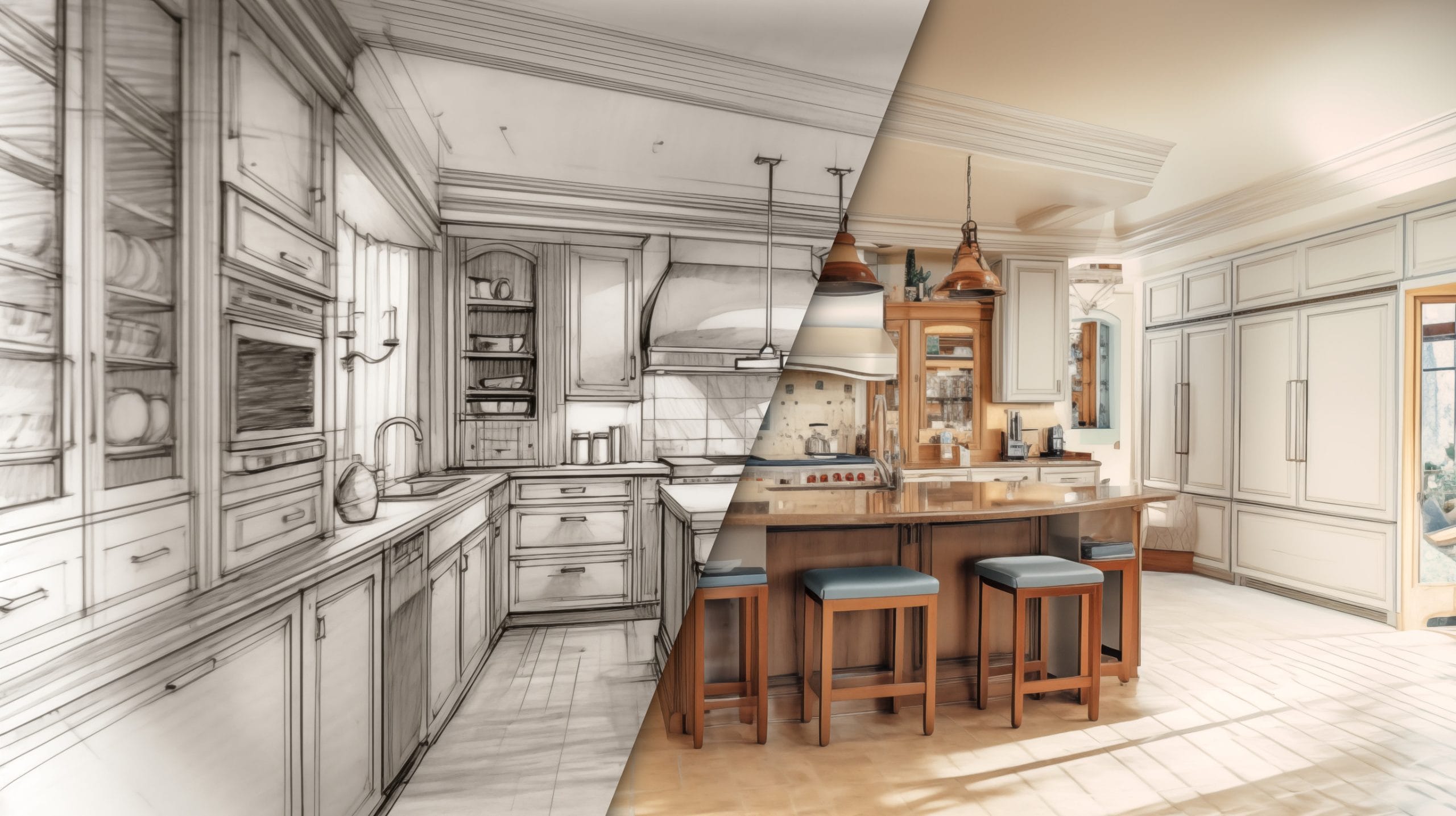
Home improvement shows make home renovation seem easy. They fit what is likely a day (or weeks) long process into a 30-minute window. And most of them portray that the job got done under budget and ahead of schedule. Is this portrayal of renovation costs really accurate? The reality is that many of these shows are just not realistic, despite their claims.
1. Budgets Shown Are Often Unusually Low
One of the biggest criticisms of renovation shows is their portrayal of impossibly low budgets. You’ll often see full kitchen remodels completed for $10,000 when the national average is about $26,268. These “TV prices” don’t include labor donated by show sponsors, deep discounts, or free materials provided by brands for exposure. As a result, viewers walk away thinking they can transform their homes for a fraction of the actual renovation costs. This misrepresentation can lead to financial stress when homeowners attempt similar projects and encounter real-world pricing.
2. Labor and Permit Costs Are Glossed Over
On-screen renovations rarely dive into the nitty-gritty of labor costs, city permits, or the inspections required to stay compliant with local codes. Behind the scenes, producers often handle these headaches, but viewers are kept in the dark. Labor alone can consume up to 50% of a renovation budget, especially for skilled work like electrical, plumbing, or roofing. Permit fees vary by region and can add thousands to a project’s bottom line. When these expenses are skipped or vaguely referenced, homeowners are misled about the true scope of their financial commitment.
3. Timelines Are Unrealistically Fast
In TV land, entire home transformations seem to happen in a week or two. But in reality, unexpected delays—from backordered materials to weather or contractor schedules—can stretch renovations over several months. Homeowners may feel frustrated or even misled when their bathroom reno drags on for eight weeks instead of the two they saw on TV. Realistic timelines are important for financial planning, especially when paying for alternative housing during construction. The compressed editing of renovation shows doesn’t prepare viewers for the patience that real projects demand.
4. They Ignore Cost Creep and Change Orders
Renovation shows love a clean storyline: a fixed budget, a beautiful vision, and a smooth path to completion. But what they rarely show are the common surprises, like mold behind the drywall or structural issues, that add thousands to the final bill. In real life, “cost creep” is inevitable, especially in older homes. Change orders and scope adjustments are standard in construction, but viewers rarely hear these terms on TV. When homeowners don’t budget for the unexpected, they’re left scrambling to make up the difference.
5. Sponsored Content Distorts Real Prices
Many shows are heavily subsidized by brands that provide appliances, flooring, and fixtures for free or at discounted rates. That beautiful quartz countertop might retail for $5,000, but if it was gifted to the production, the reported price could be misleading. This sponsored content creates a false perception of affordability and skews what viewers expect to pay. Viewers might assume they can replicate a look for less, only to be hit with sticker shock at their local store. Transparency about these deals is often lacking, which distorts the reality of renovation costs.
6. DIY Efforts Are Oversimplified
TV makes DIY renovations look empowering and easy, but that’s not always the case. Viewers might watch a host install cabinets or lay tile in a 10-minute montage, missing the real learning curve and potential pitfalls. Mistakes made during real DIY projects can cost more in repairs than hiring a pro from the start. Renovation shows rarely highlight when a DIY job fails or needs professional correction. This glamorization can encourage homeowners to bite off more than they can chew—both physically and financially.
7. The Final Reveal Doesn’t Show Long-Term Costs
What looks great on reveal day may not be built to last. Renovation shows often use budget-friendly materials that photograph well but wear out quickly under daily use. Long-term renovation costs include maintenance, repairs, and replacement, not just the initial expense. These follow-up costs are rarely mentioned when the credits roll. Homeowners trying to match the look without understanding the materials used may end up spending more down the road.
Proceed With Caution: TV Isn’t a Contractor
Renovation shows are great for inspiration, but they shouldn’t replace real research and planning. The glamor, speed, and “on-budget” outcomes can set up viewers for disappointment if they dive into projects unprepared. Always get multiple quotes, build in a cushion for the unexpected, and question anything that seems too good to be true. Renovation is about more than aesthetics—it’s about value, safety, and smart money decisions. Real homes don’t have commercial breaks, and real renovation costs don’t come with a network discount.
Have you ever tried a renovation inspired by a TV show, only to be shocked by the real cost? Share your story in the comments below!
Read More
Can Frequent Remodeling Signal Financial Instability?
8 Affordable Ways to Upgrade Your Kitchen Without a Full Remodel
Related Posts
-

The economic lock down due to the COVID-19 pandemic has hit many industries hard, including…
-

When you spend your workdays fixing cars, you see the good, the bad, and the…
-

The grass is always greener on the other side of the fence. It's a…
-

Winter is officially here, and that means more than just cozy sweaters and hot cocoa—it…
-

Planning to propose is an exciting milestone, but before you get down on one knee,…
-

by Cameron C. Taylor Guest post by Cameron C. Taylor, author of the book "Does…
