
Alabama Homeowners Face Higher Humidity-Related Repairs As Mold Can Begin Forming Within 48 Hours
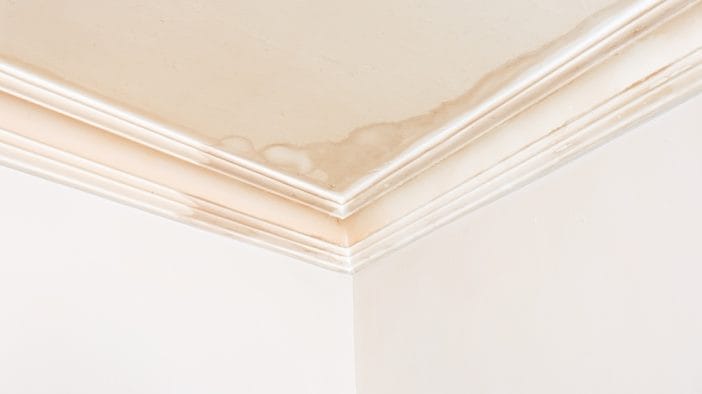
Alabama summers do not play around, and homeowners know the drill the second they step outside into air that feels thick enough to swim through. That heavy humidity does more than ruin a good hair day because it quietly attacks drywall, flooring, insulation, and even structural wood inside homes across the state. Once moisture sneaks indoors, mold can begin growing in as little as 24 to 48 hours. That tiny leak under a sink or that damp patch near an air vent can quickly turn into a repair bill worth thousands of dollars. Homeowners who ignore excess moisture often end up facing expensive remediation projects that stretch far beyond simple cleaning.
Alabama’s climate creates the perfect breeding ground for moisture-related damage because warm temperatures combine with relentless humidity for long stretches of the year. Coastal storms, heavy rainfall, poor attic ventilation, and aging HVAC systems all add fuel to the problem. Contractors throughout the South report increased demand for mold inspections and crawlspace repairs, especially after intense rain seasons.
Mold Moves Quickly and Loves Hidden Spaces
Mold rarely announces itself with dramatic black spots right away because it usually starts quietly behind walls, under carpets, or inside HVAC systems. A small roof leak can saturate insulation for days before any visible signs appear, and Alabama’s humid air speeds up the process dramatically. Homeowners often notice subtle clues first, including musty odors, peeling paint, warped baseboards, or sudden allergy flare-ups indoors. By the time mold becomes visible, moisture has often lingered long enough to damage surrounding materials. That hidden growth can spread through drywall and wood framing faster than many people realize.
Bathrooms, laundry rooms, crawlspaces, and attics become major trouble zones during humid months. Older Alabama homes especially struggle because many lack modern moisture barriers or efficient ventilation systems. Even newer homes can develop mold when clogged gutters, poor drainage, or oversized air conditioners create damp indoor conditions. Air conditioning systems that short-cycle often fail to remove enough moisture from the air, leaving homes cool but still humid. That sticky indoor feeling often signals that moisture levels have climbed too high for comfort and safety.
Alabama Homeowners See Repair Costs Climb Every Year
Humidity-related repairs continue climbing across the Southeast as weather patterns grow more intense and homes age under constant moisture stress. Mold remediation alone can cost anywhere from several hundred dollars to well over $6,000 depending on the extent of the damage. Water-damaged subfloors, insulation replacement, drywall removal, and HVAC cleaning add even more expense to the final bill. Some homeowners discover mold only after trying to sell their property, which can delay closings and reduce home values significantly. Buyers increasingly request mold inspections during real estate transactions throughout humid Southern states.
Contractors frequently see preventable issues spiral into major renovation projects because homeowners wait too long to investigate leaks or humidity concerns. A dripping pipe inside a wall may seem minor for weeks until warped flooring and moldy insulation force a complete tear-out. Alabama’s climate leaves very little margin for delay once moisture enters a home. Even condensation around windows or vents can contribute to mold growth over time if humidity stays elevated indoors. Smart homeowners now treat moisture control the same way they treat roof maintenance or termite prevention.

Small Prevention Steps Can Save Thousands Later
The good news sits right alongside the bad because homeowners can dramatically reduce mold risks with consistent maintenance habits. Indoor humidity should ideally stay between 30% and 50%, and inexpensive humidity monitors make tracking levels easy. Dehumidifiers work wonders in damp basements, laundry rooms, and crawlspaces where moisture tends to collect. Exhaust fans should vent completely outdoors rather than into attics where trapped moisture creates hidden problems. Regular HVAC maintenance also helps systems remove humidity more effectively during Alabama’s brutal summer months.
Homeowners should also inspect roofs, gutters, plumbing lines, and exterior drainage several times each year. Water pooling near foundations creates long-term moisture issues that often spread into crawlspaces and lower walls. Sealing air leaks around windows and doors helps reduce humid outdoor air infiltration during the summer. Quick action after storms or leaks matters tremendously because mold growth accelerates rapidly once materials stay damp. Even running ceiling fans consistently can help improve airflow and reduce moisture buildup indoors.
Humidity Will Not Wait Around for Homeowners to Catch Up
Alabama homeowners face a relentless battle against moisture, and delays usually make problems dramatically worse. Mold growth can begin shockingly fast, repair bills can escalate quickly, and hidden damage often spreads long before visible warning signs appear. Smart maintenance habits, proper ventilation, and quick action after leaks can protect homes from major financial headaches. Even simple upgrades like humidity monitors or crawlspace dehumidifiers can make a measurable difference over time. Staying proactive matters far more than reacting after mold already takes hold.
What moisture-related home repair surprised you the most, and what tricks help keep humidity under control in your home?
You May Also Like…
New York Renters Are Dealing With Rising Mold Complaints As 30–50% Of Homes Show Moisture Issues
9 Housekeeping Habits That Attract Mold, Rodents, or Legal Trouble
Break-In Risk: Garage Doors Are Used in Thousands of U.S. Home Burglaries Each Year
The Quiet Industry Secret Behind Mold-Resistant Drywall Failures
Related Posts
-

Whether you are making the choice for yourself or a loved one, picking out a…
-

On September 22, 2025, President Donald Trump released a statement suggesting that Tylenol was linked…
-

Sleep apnea is often thought of as a men’s health issue, but it affects women…
-

When you're a car owner on a budget, making prudent decisions about maintaining your vehicle…
-

Keeping a car in good condition over the long haul takes more than waiting for…
-

In the world of science, trust is paramount. We rely on peer-reviewed research from reputable…
