
Smart Thermostats Are Sharing More Data Than You Expect, With Many Homeowners Unaware Of Third-Party Access
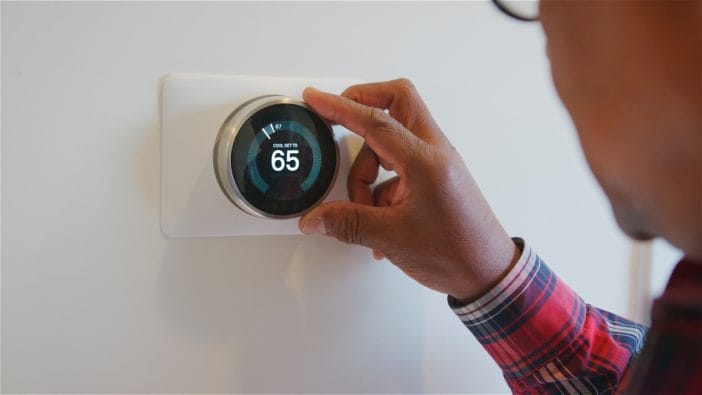
Smart thermostats sit peacefully on the wall, yet they track far more than the temperature inside a home. These devices log daily routines, preferred temperatures, occupancy patterns, and even when a house sits empty. That data helps optimize energy use, but it also creates a detailed behavioral profile of the household. Many homeowners install these devices for savings and convenience without realizing how much insight they generate. The convenience feels seamless, but the tradeoff often stays hidden in the fine print.
Manufacturers design these devices to collect continuous streams of data that improve performance and user experience. However, companies often store and analyze that data on external servers rather than locally on the device. This setup creates opportunities for sharing data with third parties such as advertisers, analytics firms, and service partners.
Where Your Data Actually Goes
Smart thermostat data does not stay locked inside your home’s Wi-Fi network. Companies frequently share anonymized or aggregated data with third-party partners to refine services or develop new products. While “anonymized” sounds safe, researchers have shown that combining datasets can often re-identify individuals with surprising accuracy. That means a seemingly harmless temperature log could connect back to a specific household under the right conditions. The flow of data extends further than most users expect.
Energy companies, for example, may access thermostat data through demand-response programs that adjust usage during peak hours. These programs can save money, but they also grant utilities insight into household behavior patterns. Some tech companies also use thermostat data to fuel targeted advertising or predictive analytics. This sharing often hides behind broad consent agreements that users accept during setup. Once accepted, those permissions can remain active indefinitely unless manually changed.
Why Privacy Policies Aren’t Telling the Whole Story
Privacy policies stretch long, dense, and packed with legal jargon that discourages careful reading. Many companies technically disclose data practices, but they bury key details in complex language that few people fully digest. This approach creates a gap between what companies say and what users actually grasp. People click “agree” in seconds, unaware of the broader implications. That quick tap often opens the door to extensive data sharing.
Even when users try to review policies, they may struggle to interpret vague phrases like “trusted partners” or “service improvement purposes.” These terms can cover a wide range of data-sharing activities without clearly defining limits. Some companies also update policies periodically, changing data usage rules without drawing strong attention to the updates. Unless users actively monitor these changes, they may never realize new permissions have taken effect. That lack of clarity keeps many homeowners in the dark about how their data travels.
The Real Risks Behind the Convenience
Data sharing does not automatically mean danger, but it introduces real risks that deserve attention. Detailed occupancy data could reveal when a home stays empty, which could interest bad actors if security fails elsewhere. Even without malicious intent, companies holding large datasets become targets for cyberattacks. A breach involving smart home data could expose daily routines, locations, and personal preferences. That kind of information carries more weight than a simple password leak.
Financial risks also enter the picture when data fuels targeted marketing or dynamic pricing models. Companies could analyze thermostat data to infer income levels or lifestyle patterns, shaping offers and pricing accordingly. While that practice remains controversial, it already appears in other industries such as travel and insurance. Consumers who value fairness and transparency may feel uneasy about these possibilities. The convenience of automation starts to look more complicated under closer inspection.

How Homeowners Can Take Back Control
Smart thermostat users do not need to abandon their devices to protect their privacy. Simple steps can dramatically reduce unnecessary data exposure while preserving convenience. Start by reviewing the device’s app settings and disabling any optional data-sharing features. Many platforms include toggles for marketing data, third-party access, and usage analytics. Turning off these features limits how far your information travels.
Users can also strengthen protection by updating device firmware regularly and using strong, unique passwords. Connecting smart devices to a separate guest network adds another layer of security within the home. Privacy-conscious homeowners may also explore brands that prioritize local data storage over cloud-based systems. Reading privacy summaries instead of full policies can provide quicker clarity without the legal overwhelm. These small adjustments create a meaningful shift toward better control.
The Tradeoff Between Savings and Surveillance
Smart thermostats promise energy savings, and they often deliver impressive results. Studies show that households can cut heating and cooling costs by 10% to 15% with optimized usage. That financial benefit attracts millions of users looking to trim utility bills without sacrificing comfort. However, those savings come with an often-overlooked exchange: personal data. The system learns habits to save money, but it also builds a detailed behavioral map in the process.
This tradeoff raises an important question about value and awareness. Many users accept data sharing when they clearly understand the benefits and limits. Problems arise when that exchange happens quietly without informed consent. Transparency plays a critical role in maintaining trust between consumers and technology providers. When companies communicate openly, users can make decisions that align with their comfort levels.
A Smarter Way to Think About Smart Homes
Smart home technology continues to evolve rapidly, bringing both innovation and new challenges. Thermostats represent just one piece of a broader ecosystem that includes cameras, speakers, and connected appliances. Each device adds convenience while expanding the digital footprint of the home. Consumers who stay informed can enjoy the benefits without feeling exposed. Awareness acts as the strongest defense in a connected world.
Taking a proactive approach does not require technical expertise or major lifestyle changes. It simply means asking a few extra questions before clicking “accept” and exploring settings after installation. As smart homes grow more common, privacy awareness will become just as important as energy efficiency. The goal is not fear, but balance. A well-informed homeowner stays in control while still enjoying modern comfort.
Smart Thermostat Privacy & You
Smart thermostats offer undeniable perks, but they also collect and share more data than most people realize. That reality does not make them dangerous, but it does demand attention and informed choices. Homeowners who take time to adjust settings, review permissions, and stay aware of updates can significantly reduce risks. Technology should serve the household—not quietly monitor it for outside interests. A little awareness goes a long way toward keeping both comfort and privacy intact.
What level of data sharing feels acceptable to you in exchange for convenience and savings? Let’s chat about it below in our comments section.
You May Also Like…
8 Ways to Lower Your Heating Bill Without Touching the Thermostat
Why That “Upgraded” Thermostat May Be Driving Up Your Bill
Why Smart Homeowners Are Trimming Their Trees Right Now
Home Inspectors Say This Popular Smart Home Device Is Now Classified as an Illegal Installation
10 Smart Home Gadgets That Actually Help Older Adults
Related Posts
-

Money is one of the biggest sources of stress in a marriage. You work hard,…
-

One of the best gifts you can give your children is a good money education.…
-

The following is a guest post. Life without a budget can be quite similar to…
-
When I heard about this site on the local news a few weeks ago, I…
-

Fashion trends are cyclical, often reviving styles once dismissed as outdated or uncool. In 2025,…
-

Used tire deals often look like easy wins for drivers trying to save money, but…
