
• Skip to primary navigation
  • Skip to main content
  • Skip to primary sidebar
  • Skip to footer
Clever Dude Personal Finance & Money

Clever Dude Personal Finance & Money

Family, Marriage, Finances & Life

  • Toolkit
  • Contact
  • Lunch
  • Save A Ton Of Money
  • About Clever Dude
  • Our Editorial Commitment

Car Repairs

8 Hidden Costs of Engine Repairs You Should Prepare For
January 16, 2025
By Drew Blankenship
- Leave a Comment
engine repairs
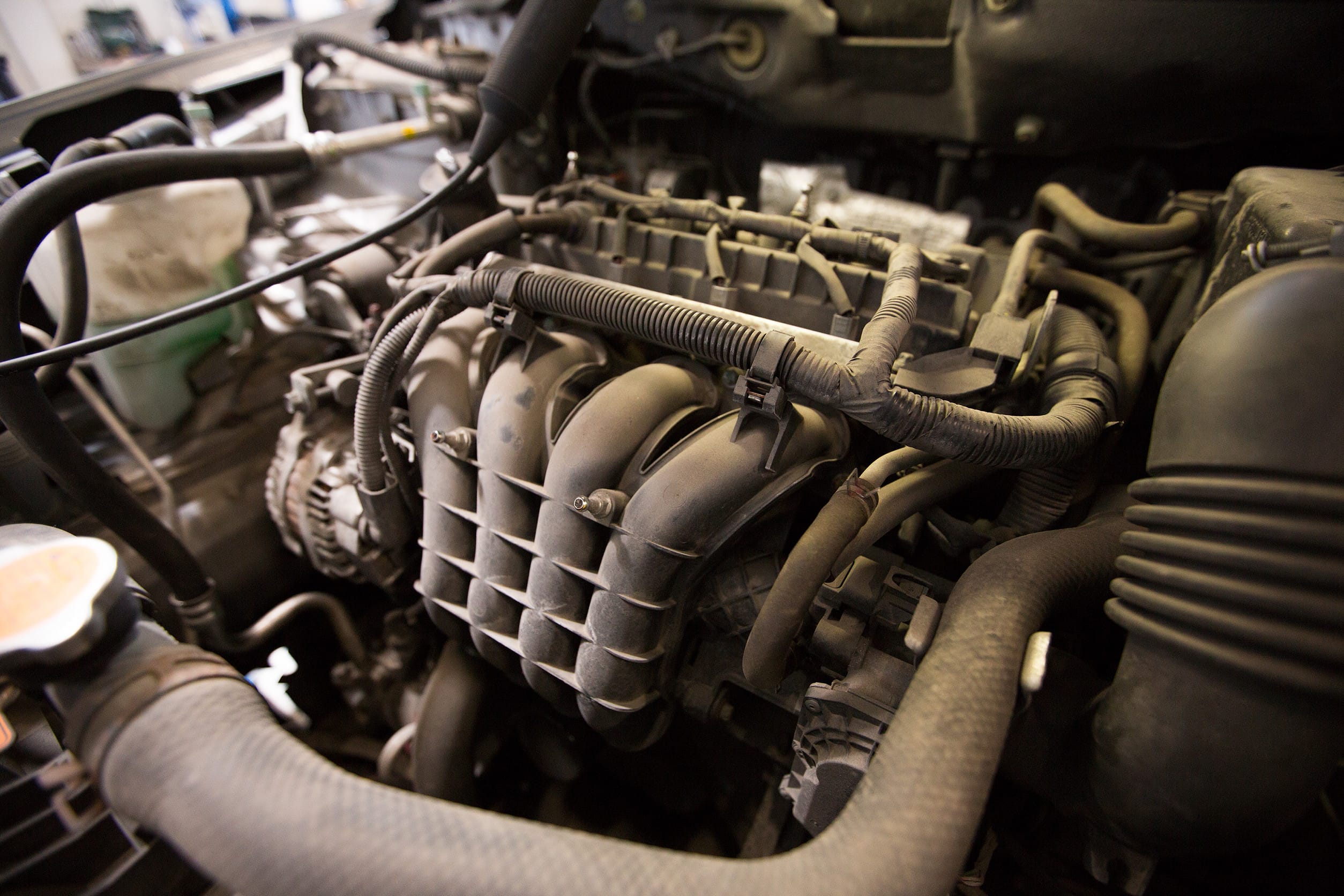
Image Source: 123rf.com

The cost of an engine repair can vary widely, depending on what you need done and the type of vehicle you have. It can cost anywhere from $1,200 to $5,000. In some cases, it could even be more. When you find out engine repairs are needed, it can become a financial burden. Not to mention, everything might not be tallied up in your initial estimate, so you could incur unexpected fees. Understanding the potential “hidden costs” of engine repairs can help you prepare financially. As a former mechanic, here are some of the most common additional costs people run into with this type of repair.

1. Diagnostic Fees

Many people don’t account for the diagnostic fees. While many shops will waive this fee if you’re getting the work done there, some don’t Usually, this fee ranges from $50 to $150, depending on the shop and location. While it may seem minor, it adds to your total repair bill, especially if the problem turns out to be extensive. Keep in mind that even if you decide not to proceed with the repairs, you’ll still be responsible for paying this fee.

2. Replacement of Additional Components

Engine repairs often involve more than fixing the primary issue. During the repair process, mechanics may discover worn-out components like belts, hoses, or seals that also need replacement. While this is done to ensure the engine runs efficiently, it increases the overall cost. For instance, replacing a timing belt often requires additional parts like tensioners or water pumps to be replaced simultaneously. These add-ons can add hundreds of dollars to your bill. Make sure you ask for a detailed estimate and clarification on any additional parts being replaced.

3. Labor Costs

Believe it or not, the parts aren’t the most expensive part of engine repairs. You’ll pray the most out of your pocket for labor. Mechanics typically charge by the hour, with rates ranging from $75 to $150 or more, depending on their expertise and location. Some repairs, like a head gasket replacement, can take upwards of 10 hours to complete. Do the math. That adds up quickly!

4. Specialized Tools and Equipment

As a former Porsche mechanic, I know about all of the specialty tools you might need to work on a car’s engine (or anything else, for that matter). Unfortunately, if specialty tools are needed, the cost of the fix is generally higher. For instance, repairs involving modern vehicles with advanced technology might necessitate diagnostic tools that are more expensive to use. Mechanics may pass on the cost of renting or maintaining these tools to the customer. Additionally, if a repair requires unique parts that are hard to source, you may face additional fees.

5. Fluids and Lubricants

Engine repairs often require the replacement of fluids and lubricants, which can add to the total cost. For example, repairs like replacing a radiator or a water pump often require a full coolant flush. Similarly, fixing an oil leak might involve refilling the engine oil and replacing the filter. While fluids and lubricants may seem like minor expenses, they can add up, especially for larger repairs. Some mechanics also charge a markup on these items, increasing your bill further. Be sure to ask for a detailed invoice to see exactly what you’re paying for.

6. Warranty Exclusions

If your vehicle is still under warranty, you might assume that engine repairs will be covered. However, many warranties have exclusions or stipulations that leave you responsible for certain costs. For instance, damage caused by neglect or improper maintenance is often not covered. Additionally, warranties may not cover diagnostic fees or towing expenses. If you’re relying on a warranty, carefully read the terms and conditions to understand what’s included. Knowing the limitations of your warranty can help you avoid unexpected out-of-pocket costs.

7. Towing and Transportation

When something goes wrong with your engine, it’s likely that you have to get a ride to the shop. This adds to the total cost of your repair bill, especially if the tow truck is owned by the shop you’re headed to. Towing fees can vary, depending on how far you need to go and where you are located. At the low end, they can be about $75 and can go up to $200 or more. On top of that, you may need to rent a car or figure out other methods of transportation while your car is being worked on. Some insurance policies might cover towing or a rental, so it’s worth checking your coverage. Always factor in transportation costs when budgeting for engine repairs.

8. Post-Repair Adjustments

It’s fairly common for additional adjustments to be made following an engine repair. For instance, a newly installed part might need recalibration, or the engine may require a follow-up inspection. These adjustments come with additional labor charges (and potentially parts and more). While some shops include these adjustments as part of the original repair cost, others may charge extra. Always clarify with your mechanic whether follow-up visits are included in the repair estimate.

Prepare for the Unexpected

Engine repairs are hardly ever straightforward. Most of the time, mechanics have to diagnose the issue, buy/have specialty tools, and you may wind up needing additional parts they didn’t initially count on. On top of that, there could even be adjustments needed after the repair is made. As a customer, knowing this information and being able to ask the right questions will help you avoid any surprises at checkout. You can also be more prepared for these hidden expenses in the long run.

Read More

  • 8 Maintenance Mistakes That Could Be Ruining Your Car
  • 5 Cars That Hold Their Value Best in 2025

Related Posts

  • Colon Cancer Is Hitting Men Earlier—These New Screening Rules Could Save Your Life
    Colon Cancer Is Hitting Men Earlier—These New Screening Rules Could Save Your Life

    Colon cancer no longer plays by the old rules. Doctors once treated it as a…

  • Pay Down Debt or Increase Savings?
    Pay Down Debt or Increase Savings?

    Ok, you got some extra cash each month. You also have some student loans, auto…

  • Coming from a former mechanic, you should never neglect your car. Period. Regular maintenance should be something you always budget for. That said, there are certain car parts that I've seen a lot of drivers consistently neglect over the years. Some of this can lead to serious engine problems and expensive repairs (to the tune of thousands of dollars). If you want to avoid that, you need to keep a close eye on these overlooked car parts that might be clogging your engine and causing issues. 1. Air Filter Your car’s air filter plays a crucial role in ensuring clean air reaches the engine. Over time, it can become clogged with dust, dirt, and debris, reducing airflow and affecting engine performance. A dirty air filter can lead to decreased fuel efficiency and increased emissions. Regularly checking and replacing your air filter can prevent these issues and keep your engine running smoothly. Most air filters should be replaced every 30,000 to 45,000 miles, depending on driving conditions.  2. Fuel Filter Another component that plays a huge role in engine performance is your vehicle's fuel filter. It keeps contaminants out of your fuel system, which, as you can imagine, is important. A clogged fuel filter can restrict fuel flow, causing your engine to run poorly or even stall. Over time, dirt and debris can accumulate in the filter, reducing its effectiveness. It's essential to replace the fuel filter according to your vehicle's maintenance schedule, typically every 20,000 to 40,000 miles. Ignoring this component can lead to decreased engine performance and potential damage to the fuel injectors.  3. PCV Valve Your vehicle's Positive Crankcase Ventilation (PCV) valve helps regulate and remove harmful gases from the engine’s crankcase. Over time, the PCV valve can become clogged with sludge and carbon deposits, causing engine issues. A faulty PCV valve can lead to increased oil consumption, rough idling, and poor fuel economy. Regular inspection and replacement of the PCV valve can prevent these problems and improve engine efficiency. Most PCV valves should be checked every 30,000 miles.  4. Catalytic Converter The catalytic converter plays a vital role in reducing harmful emissions from your vehicle. A clogged or damaged catalytic converter can lead to decreased engine performance and increased emissions. Over time, contaminants and unburned fuel can accumulate in the converter, causing it to become less effective. Regular maintenance and addressing engine issues promptly can help extend the life of your catalytic converter. If you notice a decrease in engine power or unusual exhaust smells, it may be time to check the catalytic converter. However, be wary of any mechanic that suggests this is the issue immediately. Many shops try to get extra money by saying the catalytic converter is the problem when it really isn't.  5. EGR Valve Every car has an Exhaust Gas Recirculation (EGR) valve. It helps reduce nitrogen oxide emissions by recirculating a portion of the exhaust gases back into the engine. A clogged or malfunctioning EGR valve can lead to rough idling, reduced fuel efficiency, and increased emissions. Regular cleaning and inspection of the EGR valve can prevent these issues and maintain optimal engine performance. Most EGR valves should be checked every 30,000 to 50,000 miles. Neglecting this component can result in decreased engine efficiency and costly repairs.   A Little Maintenace Goes a Long Way Regular maintenance is key to avoiding major engine issues. Trust me, I've seen vehicles that are neglected and the owner winds up paying way more than they needed to for a fix. Make sure that you are paying attention to these often-overlooked car parts. Addressing any problems will help you prevent clogs and, therefore, ensure your engine continues running at its best. Don't wait until there are signs of trouble! Be proactive in your car care and you'll enjoy a smoother ride. Read More 6 Must-Know Dashboard Gauges and What They Tell You About Your Truck 10 Genius Features in SUVs That Make Long Drives a Breeze
    What’s Really Clogging Your Engine? 5 Car Parts You’re Neglecting

    Coming from a former mechanic, you should never neglect your car. Period. Regular maintenance should…

  • retired couple
    Too Old to Work, Too Young to Retire? The Harsh Reality Facing Seniors

    There was a time when reaching your 60s meant slowing down, collecting Social Security, and…

  • Having to pay back school loan interest
    Having to pay back school loan interest

    Last November, I found out that my graduate school automatically notified my student loan servicer…

  • car headlights
    8 Cars From The 1990's That Still Are Before Their Time Today

    The 1990s were a decade of incredible automotive innovation. The cars that emerged during this…

Photograph of Drew Blankenship District Media Writer

About Drew Blankenship

Drew Blankenship is a veteran automotive writer and content strategist with over 20 years of hands-on experience as a Porsche technician, delivering expert insights into vehicle maintenance, dealership practices, market trends, and the intersection of cars with personal finance.
His bylines appear in CleverDude.com and SavingAdvice.com, as well as other leading outlets such as HotCars, Youcanic, and Vehicle History.

Reader Interactions

Leave a Reply Cancel reply

Your email address will not be published. Required fields are marked *

Primary Sidebar

Most Popular Articles

Are you feeling the call to be a Clever Dude? Then, let's get down to brass tacks and explore what it takes to be one. Get ready for an in-depth look into the anatomy of someone who exudes cleverness!

There's nothing like hearing you're clever; it always hits the spot!

Footer

  • Toolkit
  • Contact
  • Lunch
  • Save A Ton Of Money
  • About Clever Dude
  • Our Editorial Commitment

Copyright © 2006–2026 District Media, Inc. All Rights Reserved. Contact Us