
• Skip to primary navigation
  • Skip to main content
  • Skip to primary sidebar
  • Skip to footer
Clever Dude Personal Finance & Money

Clever Dude Personal Finance & Money

Family, Marriage, Finances & Life

  • Toolkit
  • Contact
  • Lunch
  • Save A Ton Of Money
  • About Clever Dude
  • Our Editorial Commitment

Legal Advice

7 Laws That Change the Moment You Install Solar Panels
July 24, 2025
By Drew Blankenship
- Leave a Comment
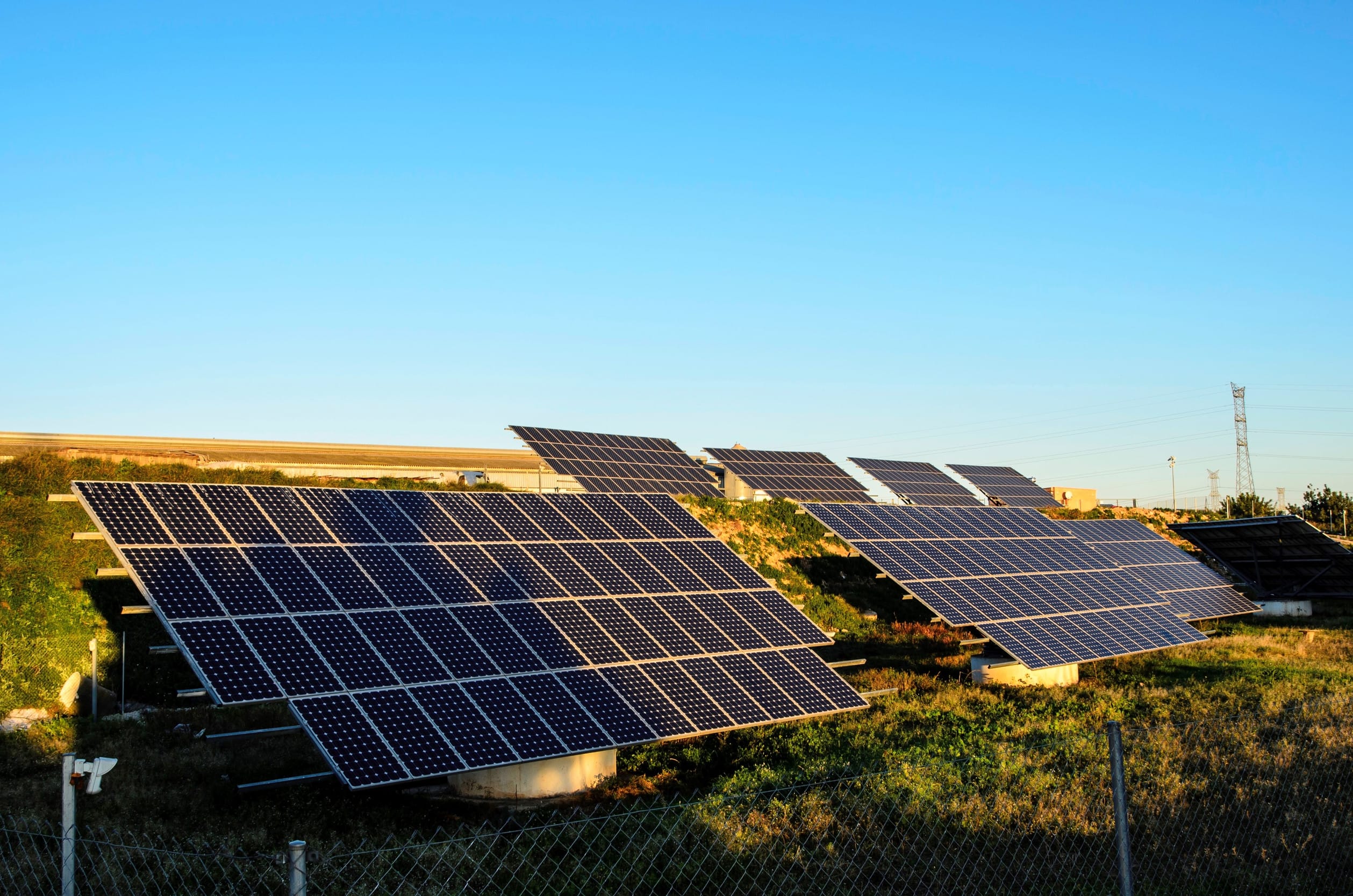
solar panel installation laws
Image Source: 123rf.com

Installing solar panels might seem like a straightforward way to cut your energy bill and help the environment, but what many homeowners don’t realize is that doing so can instantly trigger legal changes. These laws vary by state, but the moment your solar system is installed and connected, a new legal landscape opens up. Here are seven important laws that can change the moment you go solar.

1. Net Metering Agreements Become Legally Binding

Once your solar panels are online, you’re typically enrolled in a net metering program, which allows you to send excess power back to the grid. This arrangement is governed by strict utility regulations that dictate how much you’re paid—or credited—for that surplus energy. Depending on your state, net metering laws can be generous or surprisingly limited. Some states cap how much power you can sell back, while others adjust payment rates over time. Violating these agreements—like installing more panels than you’re approved for—can result in penalties or the loss of credit eligibility.

2. Home Insurance Policies May Need Updating

Solar panels aren’t just another appliance—they’re an upgrade to your home’s structure. After installation, most insurance companies require you to update your policy to reflect the added value and potential risk. If your solar system causes damage or gets damaged, and it wasn’t disclosed, your claim could be denied. Some states also require you to meet specific coverage minimums for solar systems. Failing to notify your insurer is not only risky but can leave you exposed to thousands in repair costs.

3. You’re Subject to New Permit and Inspection Laws

Many cities and counties require solar permits before you can even begin installation. Once the panels are up, inspections must usually be completed to ensure the system meets building and safety codes. Skipping these steps or hiring unlicensed installers can lead to fines, delays, or forced removal of your panels. Solar panel installation laws vary widely by locality, but enforcement is usually strict. Always verify your contractor has pulled the necessary permits and scheduled inspections before flipping the switch.

4. Property Tax Rules May Shift

Depending on where you live, solar panel installation may affect your property taxes—but not always in the way you think. While the system adds value to your home, many states offer exemptions or abatements that prevent your taxes from going up. However, these exemptions often require paperwork and approval. If you don’t apply properly, you might end up with a higher tax bill next year. Staying on top of these laws ensures you receive the financial benefits without unpleasant surprises.

5. You Must Comply with HOA Regulations

If you live in a neighborhood governed by a Homeowners Association (HOA), there may be rules about panel placement, aesthetics, or visibility from the street. Even in states where “solar access laws” limit an HOA’s ability to block installation, homeowners still need to follow the established approval process. Skipping it could lead to legal disputes or forced removal. It’s best to work with the HOA from the start, providing plans and photos before the system goes in. Solar panel installation laws often intersect with HOA regulations in tricky ways, so communication is key.

6. Energy Code Compliance Is Now Your Responsibility

Most states have energy codes that require all home upgrades—including solar panel installations—to meet specific efficiency and safety standards. Once installed, your system becomes part of a regulated infrastructure. If panels are wired incorrectly or fail to meet output standards, you could be held liable. In some jurisdictions, failure to comply could result in the system being shut down or disconnected from the grid. Working with a certified and licensed solar installer is the best way to avoid these issues.

7. Resale Disclosure Requirements Change

When you sell a home with solar panels, you must disclose detailed information about the system—including ownership status, warranties, and whether it’s leased or owned outright. Misleading buyers or omitting this info can result in legal action or canceled sales. Some states require this disclosure by law and include solar documentation in the official real estate contract. If the system is leased, buyers may need to qualify to assume the lease, adding another layer of complexity. Understanding these rules early on helps you avoid roadblocks when it’s time to move.

Going Solar Is Smart—If You Stay Informed

Solar energy offers long-term savings and environmental benefits, but it also comes with legal strings attached. From net metering contracts to insurance updates, these laws can change the moment your system goes live. Staying educated and compliant ensures you enjoy the full advantages of your investment—without costly setbacks. Don’t let legal missteps dim your solar dreams. A little research and responsible planning can keep your green energy goals—and your finances—fully protected.

Did you face unexpected laws after installing solar panels? Share your story in the comments to help other homeowners navigate the process!

Read More

10 Neighbors Who Filed Lawsuits Over Home Lighting Choices

7 State Laws That Let Your Neighbors Legally Fine You

Related Posts

  • hidden heart signs
    Cardiologist Warns: These Hidden Signs Could Mean Your Heart Is Struggling

    We often think heart trouble will announce itself with dramatic pain or collapse. But according…

  • high school sports
    How High School Teams Are Using Illegal Tactics to Stay Undefeated

    Staying undefeated is the dream of every high school sports team, but the pressure to…

  • garage conversion
    What Could Happen If That Garage Conversion Isn’t Registered?

    Converting a garage into a bedroom, office, or rental unit seems like a smart way…

  • Is Premium Gas Worth It? What You’re Really Paying For
    Is Premium Gas Worth It? What You’re Really Paying For

    With gas prices fluctuating and inflation squeezing every dollar, more drivers are asking: is premium…

  • Failed Strategies 11 Parenting Strategies That Have Failed Countless Others
    Failed Strategies: 11 Parenting Strategies That Have Failed Countless Others

    Parenting doesn’t come with a manual, but that doesn’t stop plenty of advice from flying…

  • Overwatering Your Lawn Could Cost You Thousands — New Municipal Water Rules Are Aggressive
    Overwatering Your Lawn Could Cost You Thousands — New Municipal Water Rules Are Aggressive

    Lawns across many cities now sit at the center of a growing financial crackdown that…

Photograph of Drew Blankenship District Media Writer

About Drew Blankenship

Drew Blankenship is a veteran automotive writer and content strategist with over 20 years of hands-on experience as a Porsche technician, delivering expert insights into vehicle maintenance, dealership practices, market trends, and the intersection of cars with personal finance.
His bylines appear in CleverDude.com and SavingAdvice.com, as well as other leading outlets such as HotCars, Youcanic, and Vehicle History.

Reader Interactions

Leave a Reply Cancel reply

Your email address will not be published. Required fields are marked *

Primary Sidebar

Most Popular Articles

Are you feeling the call to be a Clever Dude? Then, let's get down to brass tacks and explore what it takes to be one. Get ready for an in-depth look into the anatomy of someone who exudes cleverness!

There's nothing like hearing you're clever; it always hits the spot!

Footer

  • Toolkit
  • Contact
  • Lunch
  • Save A Ton Of Money
  • About Clever Dude
  • Our Editorial Commitment

Copyright © 2006–2026 District Media, Inc. All Rights Reserved. Contact Us