
Overwatering Your Lawn Could Cost You Thousands — New Municipal Water Rules Are Aggressive
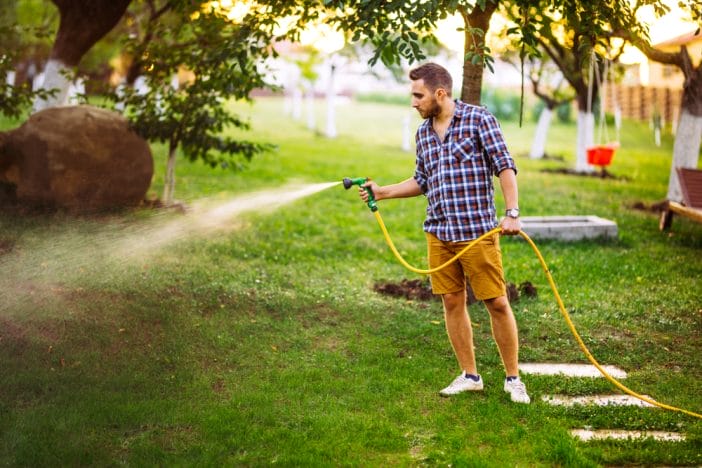
Lawns across many cities now sit at the center of a growing financial crackdown that catches homeowners off guard. Municipal water departments tighten restrictions as drought conditions and infrastructure strain push local governments into strict enforcement mode. Overwatering no longer counts as a harmless habit; it triggers real penalties that stack up fast. Some homeowners already face fines reaching hundreds or even thousands of dollars after repeated violations. These rules shift lawn care from casual upkeep into a regulated responsibility with financial consequences.
City inspectors and automated monitoring systems now track water usage patterns with surprising accuracy. Smart meters flag excessive irrigation, and neighborhood patrols sometimes document violations with time-stamped evidence. Homeowners who rely on old watering habits often trigger alerts without realizing it. That disconnect between habit and regulation creates costly surprises on monthly utility bills. The situation pushes lawn care into a new era where timing, volume, and compliance matter more than ever.
Why Overwatering Triggers Expensive Municipal Penalties
Municipal governments enforce water restrictions to protect limited reserves and maintain fair distribution during high-demand seasons. Overwatering lawns drains public systems faster than many residents realize, especially in densely populated areas. Cities respond by attaching financial penalties to excessive irrigation in order to discourage wasteful behavior. Fines often range from $50 to $500 per violation, but repeat offenses quickly escalate costs into the thousands. Authorities design these penalties to change habits, not just collect money.
Water departments also factor in infrastructure stress when setting enforcement rules. Excess irrigation forces treatment plants and distribution systems to operate under heavier loads, which increases maintenance costs. Cities pass those costs back to residents who exceed usage limits. That cycle turns simple lawn watering into a regulated expense that directly affects household budgets. Homeowners who ignore guidelines often discover that small mistakes snowball into major financial setbacks.
New Watering Restrictions Cities Are Enforcing Right Now
Many municipalities now restrict watering to specific days of the week based on address numbers or zones. These schedules aim to balance system demand and prevent sudden spikes in water usage. Some cities even ban daytime watering entirely to reduce evaporation losses. Residents who ignore these schedules risk automatic fines triggered by digital monitoring systems. Enforcement teams increasingly rely on data instead of manual inspections.
Restrictions also include limits on sprinkler run times and irrigation volume per cycle. Cities encourage short, efficient watering sessions during early morning or late evening hours. Smart irrigation controllers now help homeowners comply by automatically adjusting schedules based on weather data. Officials often update these rules during heat waves or drought emergencies, which adds another layer of urgency. Homeowners who fail to track updates often fall behind and face avoidable penalties.
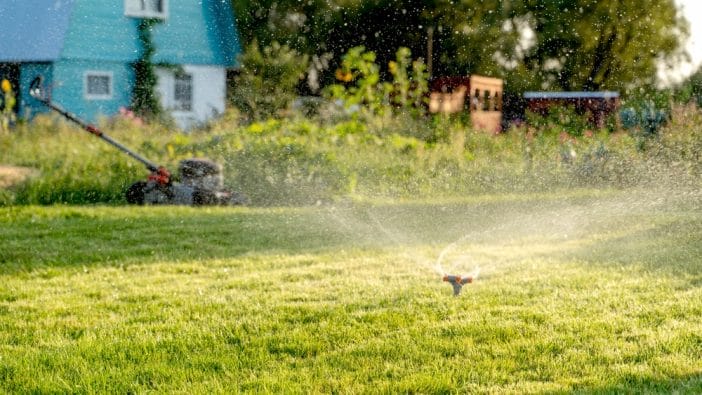
How Overwatering Damages Lawns and Wallets at the Same Time
Excess water does not improve lawn health; it often weakens grass roots and promotes shallow growth. Saturated soil creates conditions for fungus, pests, and root rot that lead to patchy, unhealthy lawns. Homeowners then spend more on treatments, reseeding, and landscaping repairs. That cycle turns overwatering into a double financial burden that hits both utility bills and yard maintenance costs. Healthy lawns require balance, not constant saturation.
Water waste also shows up directly in monthly utility statements, especially in regions with tiered pricing. Higher usage pushes households into expensive billing brackets that charge more per gallon. Over time, those increases can add hundreds of dollars annually to basic household expenses. Cities reinforce these pricing tiers to discourage excessive consumption and reward efficiency. Homeowners who ignore early warning signs often face financial strain that grows quietly but steadily.
Smart Lawn Watering Habits That Avoid Fines and Waste
Efficient watering starts with timing, and early morning irrigation reduces evaporation while maximizing soil absorption. Homeowners who water between dawn and 8 a.m. often use significantly less water than those who water mid-day. Smart controllers take guesswork out of scheduling by adjusting automatically based on rainfall and temperature. These devices help align lawn care with municipal rules while reducing unnecessary waste. Consistency matters more than volume when it comes to healthy grass.
Soil health also plays a major role in reducing water dependency. Aerating lawns improves water penetration and reduces runoff, which allows roots to grow deeper and stronger. Homeowners who mulch grass clippings also retain moisture longer without extra watering cycles. These small adjustments create long-term savings and lower the risk of violations. Efficient lawn care now depends on strategy rather than habit.
What These Rules Mean for Homeowners Going Forward
Municipal water rules continue tightening as cities prepare for long-term climate and infrastructure challenges. Homeowners who ignore these changes risk repeated fines and higher utility bills that add up quickly over time. Smart irrigation tools, careful scheduling, and efficient landscaping now define responsible lawn care. The shift rewards awareness and punishes outdated watering habits that waste resources. Lawn maintenance now carries financial consequences that demand attention and planning.
What steps will you take next to balance compliance and lawn care costs? Let’s hear your advice below, homeowners!
You May Also Like…
Why is the Grass Is Greener On the Other Side of the Fence?
Why Lawn Care Delivers a 217% ROI for Homeowners
7 Lawn Tools That Cause Fatal Accidents Every Summer
8 Lawn Equipment Mistakes That Destroy Your Yard’s Value
How DIY Lawn Work Can Get You Cited in Certain Neighborhoods
Related Posts
-

Although I'm far from my own two kids moving out (they're four and 21 months),…
-

Gold diggers often look for specific signals that suggest a man might be generous or…
-

In today's interconnected world, professional networking is more important than ever. While the expected benefits…
-

Buying a new car can be a fairly stressful event, especially if you've spent hours…
-

Costco is well known for its great prices, and their liquor store is no different.…
-
The Auto Repair Industry: A Financial Powerhouse The auto repair industry has consistently demonstrated remarkable…
