
5 Ways Odometer Readings Outweigh Age in Used Car Shopping
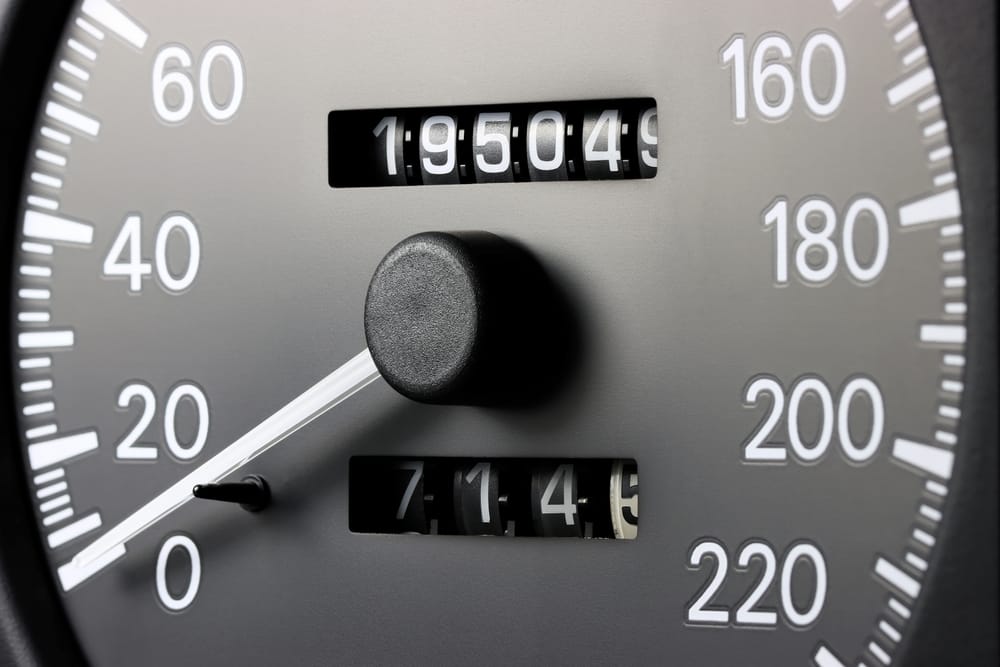
When you’re in the market for a used car, it’s tempting to focus on the year it was made. Many buyers assume that a newer car is automatically a better buy. But the real story is often found in the odometer reading. The number of miles a car has traveled, not just its age, can tell you much more about its true condition and future reliability. Car age may hint at technology and style, but mileage gives a window into actual wear and tear. If you want to make a smart, cost-effective purchase, understanding why odometer readings outweigh age in used car shopping is key. Let’s break down the reasons why mileage should top your checklist.
1. Mileage Directly Reflects Wear and Tear
When you look at a car’s odometer, you see the total distance it has traveled. Every mile means the engine, transmission, brakes, and other components have been put to work. A five-year-old car with 100,000 miles has faced more wear than a ten-year-old car with just 40,000 miles. This is why odometer readings outweigh age in used car shopping.
Parts like suspension, bearings, and hoses degrade more with use than with time. If a car sat unused for years, it might need some rubber parts replaced, but the engine and drivetrain could still be in great shape. On the other hand, a car that’s racked up miles—especially in harsh conditions—may have hidden issues even if it’s not very old.
2. Maintenance History Follows Mileage, Not Years
Car manufacturers base most maintenance schedules on mileage, not age. Oil changes, timing belt replacements, and brake jobs are all recommended after a certain number of miles. When you shop for a used car, a low odometer reading often means fewer major services are due soon.
For example, if a vehicle’s maintenance guide suggests a timing belt change every 60,000 miles, a seven-year-old car with only 30,000 miles is likely years away from needing this expensive service. This is a prime reason why odometer readings outweigh age in used car shopping. Lower mileage can save you money on upcoming repairs and reduce the risk of breakdowns right after you buy.
3. Resale Value Is Tied More to Mileage
When it comes time to sell or trade in your used car, buyers and dealerships look at the odometer first. The used car market consistently values lower mileage vehicles higher than older, high-mileage ones. A car’s age may affect its features or design, but mileage impacts its perceived reliability and remaining lifespan.
Insurance companies and lenders also factor in mileage when determining value and risk. If you’re thinking about long-term costs, remember that the odometer reading will affect your resale or trade-in offer much more than the model year alone.
4. Usage Patterns Tell a Story
Odometer readings help reveal how a car was used. A newer car with high mileage could have been a commuter’s workhorse, racking up highway miles that are generally easier on a vehicle than city driving. Conversely, an older car with low miles might have been driven only on weekends, or maybe it spent years in a garage.
Understanding the context of mileage gives you leverage during negotiations. If you’re comparing two cars of the same age, the one with fewer miles likely experienced less stress and is a safer bet for long-term ownership. This practical insight is why so many experts agree that odometer readings outweigh age in used car shopping.
5. Technology and Features Age Slower Than Mechanical Parts
One argument for buying a newer car is access to modern technology, such as touchscreens, advanced safety features, or improved fuel efficiency. However, unless you’re looking for the absolute latest, many features remain largely unchanged from year to year. Meanwhile, the physical condition of the vehicle is far more influenced by how much it’s been driven.
For instance, a three-year-old car with 90,000 miles may have all the current tech, but its engine and suspension have endured heavy use. A six-year-old car with just 25,000 miles may lack one or two gadgets, but could offer far more dependable performance. Always weigh mileage against must-have features, but know that odometer readings remain the stronger predictor of mechanical health.
Shopping Smart: Focusing on Odometer Readings for Your Next Car
Choosing a used car can feel overwhelming, but you don’t need to be an expert mechanic to make a wise decision. Pay close attention to the odometer reading, ask for maintenance records, and don’t get distracted by the allure of a newer model year alone. A well-maintained, low-mileage car—even if it’s a few years older—often delivers better value and peace of mind.
Remember, odometer readings often outweigh age in used car shopping, as they reflect actual use and future reliability.
What’s your experience—have you ever chosen a car based on mileage over age, or vice versa? Share your story in the comments below!
What to Read Next…
- 6 Things You Must Check Before Buying a Used Car
- 10 Tips for Selling Your Used Car for the Best Price
- 7 States Where Used Car Sellers Don’t Have to Disclose Anything, Not Even Fire Damage
- 8 Car Dealership Red Flags Experts Say to Walk Away From
- Dealership Confidential: How They Make Thousands Selling Cars with Cleaned Salvage Titles
Related Posts
-

When you look at the car market, it’s surprising to see that classic cars still…
-

A backyard shed often feels like the perfect place for DIY upgrades. After all, it’s…
-

Looking good isn’t just about what you wear or how much you spend. Sometimes, small…
-

For generations, fatherhood was viewed as the natural next step for men after marriage or…
-

Buying a new car is exciting, but it often comes with a list of features…
-

Here's a brief article about a maintenance man in New York who lived in the…
