
5 Signs Your Sump Pump Is About to Overload

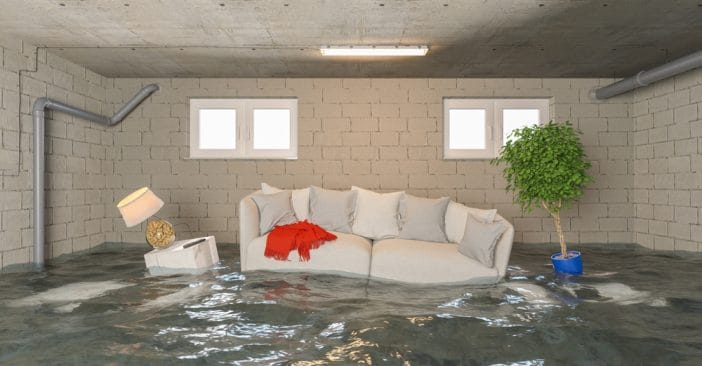
There are few household heroes as underappreciated as the sump pump. It sits quietly in a pit, out of sight and out of mind, until the day it decides it’s had enough—and suddenly your basement becomes a shallow indoor lake.
The truth is, sump pumps rarely fail without warning. They send signals, subtle at first and then increasingly dramatic, that they’re struggling to keep up. And when a pump is on the verge of overload, those signs matter. Catching them early can save you thousands of dollars, hours of cleanup, and the emotional trauma of watching cardboard boxes melt into mush.
1. The Pump Runs Constantly—Even When It’s Not Raining
A sump pump that never takes a break is like a treadmill stuck on high speed: eventually, something’s going to give. When your pump runs nonstop, it’s usually a sign that the water level in the pit isn’t dropping the way it should. This can happen for several reasons, including a stuck float switch, a high water table, or a discharge line that’s partially blocked. Regardless of the cause, constant cycling puts enormous strain on the motor, increasing the risk of burnout.
A healthy sump pump should turn on when water rises, pump it out, and then turn off again. If yours behaves like it’s training for a marathon, it’s time to investigate. Homeowners can start by checking the float switch for debris or obstructions, but if the pump keeps running, a professional inspection is the safest next step.
2. Strange Noises That Sound Like Trouble Brewing
A sump pump isn’t supposed to sound like a rock tumbler, a blender full of bolts, or a creature from a sci-fi movie. Grinding, rattling, humming, or screeching noises are all signs that internal components are wearing down or struggling. Sometimes the impeller is clogged, the motor bearings are wearing out, or debris has made its way into the pump and is bouncing around like a pinball.
Noise is one of the earliest and most reliable signs of overload because it tells you the pump is working harder than it should. Even a loud humming sound can indicate the motor is running without actually moving water, which is a fast track to overheating.
3. The Pump Struggles to Keep Up During Heavy Rain
If your sump pump seems overwhelmed every time a storm rolls in, that’s a clear sign it’s approaching its limit. A properly sized and functioning pump should be able to handle typical rainfall in your area without falling behind. When water rises faster than the pump can remove it, the pit fills quickly, the pump cycles constantly, and the motor heats up under pressure.
This kind of overload is especially common in older pumps or pumps that were undersized for the home from the start. It can also happen when the discharge line is partially frozen, clogged, or improperly sloped. Upgrading to a higher-capacity model or adding a secondary pump can make a huge difference.
4. Water Backing Up or Draining Slowly
A sump pump’s job is simple: move water out. When water starts lingering in the pit or backing up into the basement, something is interfering with that process. Slow drainage can indicate a blockage in the discharge pipe, a frozen line, or a failing check valve that’s allowing water to flow backward into the pit. Any of these issues forces the pump to work harder, increasing the risk of overload.
A pump that can’t move water efficiently is like a runner trying to sprint through mud—it’s going to burn out fast. Homeowners can check the sump pump for obstructions, look to the discharge line for visible obstacles, and ensure the check valve is installed correctly, but persistent drainage issues should be addressed quickly.
5. The Pump Turns On and Off Rapidly (Short Cycling)
Short cycling is one of the most common signs of a sump pump on the verge of overload. Instead of running in steady, purposeful cycles, the pump turns on and off repeatedly in quick bursts. This rapid cycling can be caused by a float switch that’s stuck, a pit that’s too small, or a check valve that’s malfunctioning and sending water back into the pit.
Short cycling is hard on the motor because it forces the pump to start up repeatedly, which uses more energy and creates more wear than running normally. Over time, this constant stop-start pattern can cause the motor to overheat or fail entirely.
When Your Sump Pump Sends Signals, Don’t Ignore Them
Your sump pump doesn’t need to be dramatic to get your attention. It communicates through noise, behavior, and performance—quiet warnings that something isn’t right. When those signs show up, the smartest move is to act quickly. A simple tune-up, cleaning, or part replacement can extend the life of your pump and protect your home from water damage.
Your sump pump works hard to protect your home. A little attention now can save you from a very wet, very stressful surprise later.
What’s the strangest or most alarming sound your sump pump has ever made? Give us all of your comments and thoughts below.
You May Also Like…
5 Signs Your Sump Pump Won’t Survive the Spring Thaw
The “Frozen Pipe” Mistake Homeowners Make During Temperature Swings
10 Red Flags That Can Ruin Your Home Inspection
Can You Be Fined for Collecting Rainwater? It Depends on Where You Live
