
5 Signs Your Sump Pump Won’t Survive the Spring Thaw
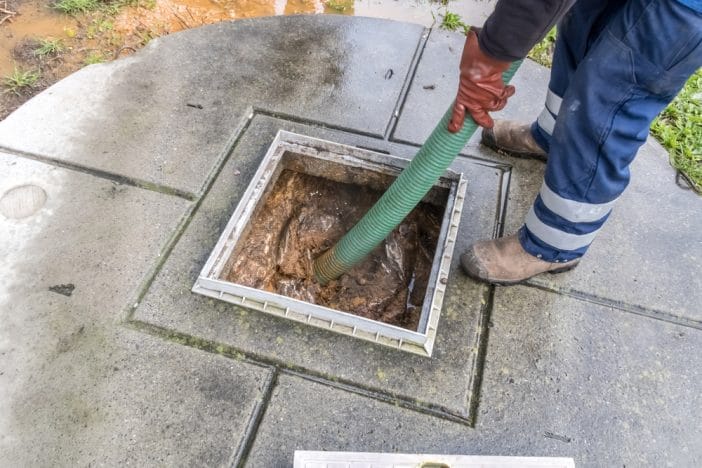
Spring brings longer days, warmer air, and that glorious feeling that winter is finally letting go. It also brings melting snow, rising groundwater, soaked soil, and one very serious test for a device most homeowners forget about until panic hits: the sump pump.
When the thaw begins, your sump pump becomes your basement’s frontline defense against water damage, mold, and thousands of dollars in repairs. If it fails when the ground is saturated and the rain starts pounding, the damage doesn’t happen slowly or politely—it happens fast, messy, and expensive.
1. The Pump Sounds Like It’s Fighting For Its Life
A healthy sump pump has a steady, consistent hum when it runs, not grinding, rattling, or clanking noises that sound like a washing machine full of bricks. Strange sounds often mean worn bearings, a damaged impeller, or internal motor problems that get worse under heavy water flow. During the spring thaw, the pump works harder and longer than usual, which exposes hidden mechanical issues quickly.
If your pump starts sounding angry, strained, or chaotic, that noise isn’t just annoying—it’s a warning sign. The smartest move is to shut it off, inspect it, and get a professional check before the groundwater surge begins.
2. It Turns On And Off Like It Can’t Make Up Its Mind
Short cycling—when a sump pump turns on and off rapidly—signals serious trouble. This behavior usually points to a faulty float switch, improper pump size, or electrical issues that can lead to burnout. During spring thaw, frequent cycling puts massive strain on the motor and dramatically shortens its lifespan.
Instead of efficiently moving water out, the pump burns energy while accomplishing very little. Testing the float switch manually and checking for debris in the pit can sometimes fix the issue, but persistent cycling means it’s time for professional help.
3. Water Lingers In The Pit Like It’s Ignoring The Pump
A sump pump should drain water quickly and consistently, not leave standing water behind after a cycle. If the pit refills immediately or water barely moves, something is wrong with the pump, discharge line, or check valve. Clogs, frozen discharge lines, or failing motors can all cause this problem, especially during temperature swings in early spring. This is dangerous because the pump may appear to be working while actually doing very little.
Cleaning the pit, checking the discharge pipe, and making sure water flows freely outside are simple steps that can prevent bigger issues. If water stagnates in the pit, your basement is one storm away from flooding.
4. It’s Older Than Your Last Phone Upgrade
Sump pumps don’t last forever, and most have a lifespan of about 7 to 10 years depending on usage and water conditions. Older pumps may still turn on, but internal wear reduces their efficiency and reliability. During low-demand seasons, problems stay hidden, but spring thaw exposes every weakness at once. If your pump is pushing a decade in age, it’s living on borrowed time.
Replacing an old pump before it fails costs far less than replacing soaked drywall, ruined flooring, and damaged furniture. Proactive replacement feels boring, but emergency flood cleanup feels much worse.
5. Power Issues Make It Unreliable When You Need It Most
Spring storms often bring power outages, and a sump pump without backup power becomes useless exactly when groundwater levels peak. If your pump runs on a single power source with no battery backup, your basement is vulnerable during storms. Even brief outages can cause rapid flooding when snowmelt and rain combine.
Battery backup systems or water-powered backups provide critical protection during outages. Testing backup systems before spring is one of the smartest moves a homeowner can make. A pump without power protection is not a flood defense—it’s a gamble.

The Real Threat Is Waiting Until It’s Too Late
Most sump pump failures don’t come with dramatic warnings, flashing lights, or obvious countdowns. They come quietly, through small signs that homeowners ignore because everything still seems “fine.” Spring thaw doesn’t test your pump gently; it hits it with saturated soil, rising groundwater, and nonstop demand.
Regular inspections, proactive replacement, backup systems, and simple maintenance can prevent thousands in damage. The goal isn’t perfection—it’s preparedness. A dry basement starts with paying attention before water shows up.
If your sump pump failed tonight during a storm, how much damage would your basement suffer—and would your insurance really cover all of it? Let’s talk all things sump pumps in the comments below.
You May Also Like…
7 Things Nearly Everyone Gets Wrong When Heating Their Home
These Household Items Are Causing More Fires During Cold Months
5 Household Chores That Take Too Much Time
7 Household Noises That Signal Danger for Men Living Alone
6 Home Repairs That Turn Into Lawsuits After You Sell the House
Related Posts
-

This weekend, we drive yet again to Pennsylvania to visit family. Next weekend, we go…
-

Brakes are the most important safety system on your car, and learning how to care…
-
Sometimes dreams are bigger than budgets. Whether it’s houses, vacations, special parties, fashionable styles or…
-

Your phone buzzes. You glance down. Another alert. It’s tempting to swipe it away and…
-
Marching on with our Examine Your Motives Series, it's now time to discuss Buying a…
-

Your furnace might be keeping you warm, but a cracked heat exchanger could be putting…
