
5 Harmless-Sounding Statements That Will Jack Up Your Insurance Rate

Driving conversations often sound harmless, casual, and routine, especially after a small incident or a quick chat with an insurance rep. Yet insurance companies listen closely to specific phrases that signal risk, carelessness, or higher chances of future claims. One wrong sentence during a phone call or at the scene of a crash can trigger higher premiums that stick around for years.
Drivers often focus on what happened on the road while overlooking how their words shape the financial outcome. These seemingly innocent statements can quietly turn a manageable situation into a long-term insurance headache.
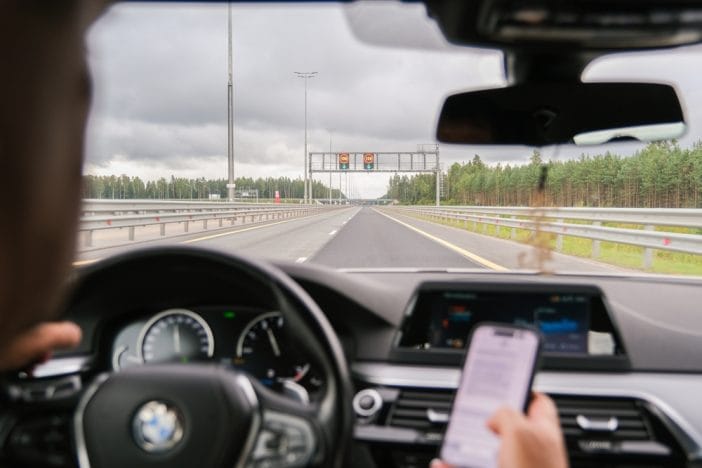
1. “I Only Use My Phone At Red Lights”
This statement sounds like a responsible clarification, but insurers interpret it as partial distracted driving admission. Even brief phone use at stops signals risk because attention still splits between driving tasks and digital activity. Insurance adjusters track these details closely because distraction claims continue rising across all age groups. A driver who mentions phone use at any point behind the wheel often lands in a higher-risk category. That classification can push premiums upward even without a formal ticket.
Insurance companies analyze patterns, not just single moments, so casual comments matter more than most drivers realize. A claim adjuster may note that phone engagement occurred during driving and flag the account for increased monitoring. Many states also treat phone use at red lights as part of active driving, not downtime. That means even “quick checks” can influence liability assessments. Drivers who avoid mentioning phone use altogether often avoid unnecessary premium increases.
2. “It Was Just A Minor Fender Bender”
This phrase sounds harmless because it downplays damage, but insurers hear something very different. Any crash report that includes even “minor” damage still triggers a full risk evaluation. Small collisions often cost more than drivers expect once repair estimates, rental cars, and medical checks enter the picture. Insurance companies treat repeated minor accidents as strong predictors of future large claims. That pattern often leads to higher premiums regardless of who caused the crash.
Adjusters also pay attention to how drivers describe incidents because language reveals perception of responsibility. A “minor” crash still requires documentation, photos, and liability review under most policies. Repair shops frequently uncover hidden damage that raises total costs far beyond initial estimates. That surprise factor reinforces insurer caution when setting future rates. Drivers who minimize incidents verbally often unintentionally signal inconsistency in judgment.
3. “I Didn’t Realize I Was Speeding”
This statement creates a direct connection between behavior and inattentiveness, which insurers treat seriously. Speeding already raises risk levels, but lack of awareness increases concern even more. Insurance analysts flag inattentive driving as a strong indicator of future claims. A driver who admits surprise at their own speed suggests reduced situational awareness on the road. That combination often leads to higher premiums or reduced discounts.
Traffic systems and telematics tools also reinforce this issue because many insurers now track real-time driving behavior. Speeding data feeds directly into risk scoring models used for policy pricing. Even a single speeding-related comment during a claim discussion can reinforce negative driving patterns. Insurance companies prefer consistent awareness and control behind the wheel. Drivers who frame incidents as learning moments without emphasizing surprise often avoid extra penalties.
4. “I’ll Pay Out Of Pocket”
This statement often appears responsible at first glance, but insurers view it with caution. A driver who offers to bypass insurance may signal repeated minor incidents or financial hesitation around claims. Insurance companies rely on claim frequency data, and informal arrangements disrupt that pattern tracking. Adjusters often advise against private payments because future disputes may still surface. That can create legal and financial complications later.
Insurance providers also consider why a driver wants to avoid filing a claim. Frequent out-of-pocket offers sometimes indicate previous claim history that already raised premiums. Repair costs today often exceed expectations, especially with modern vehicle sensors and electronics. A small scratch can quickly turn into a multi-thousand-dollar repair bill. Drivers who consistently avoid reporting incidents may eventually face coverage issues if larger claims arise.
5. “That Claim Wasn’t My Fault At All”
This phrase sounds like a strong defense, but insurers interpret it as an early liability stance that may not match evidence. Insurance companies rely on investigation results, not just driver statements, to determine fault. A firm declaration before full review can create tension if accident reports or witness accounts suggest otherwise. Adjusters often compare statements from all parties involved, along with police documentation and photos. That comparison can influence final fault allocation and rate adjustments.
Fault determination affects future premiums more than almost any other factor in a claim. Even partial responsibility can increase rates depending on policy structure and state rules. Insurance investigators often caution drivers against absolute statements before full evidence review. Calm, factual descriptions tend to produce more stable outcomes during claims processing. Drivers who avoid early blame assignments often reduce the risk of inconsistent reports.
How Everyday Words Shape Long-Term Insurance Costs
Insurance companies treat communication as part of risk assessment, not just background conversation. Each statement during a claim or traffic incident builds a profile that influences pricing decisions for years. Drivers often underestimate how quickly language turns into data points inside underwriting systems. A casual phrase during a stressful moment can carry more weight than expected once analysts review the file. That reality makes careful communication just as important as careful driving.
What other everyday driving phrases do readers think might surprise people when it comes to insurance rates? Share thoughts and experiences in the comments below.
You May Also Like…
10 Car Insurance Loopholes That Save Drivers Real Cash
Car Insurance Up Again? 9 Practical Ways to Bring It Back Down
Why This Small Driving Violation Could Get Your Car Impounded on the Spot
7 Driving Habits That Practically Guarantee You’ll Get Pulled Over
Related Posts
-

I'm not the kind of person who would approach and talk to a total stranger…
-

Life has a funny way of making you feel important one minute and completely optional…
-

A single phone call can decide how fast help arrives, what kind of help shows…
-

When it comes to leaving a mark on the world, let's face it - scribbling…
-

I heard a loud popping noise from the living room followed by my wife exclaiming,…
-

(Guest Post by Renee S.) Being deeply in debt is a difficult and stressful experience…
