
7 Driving Habits That Practically Guarantee You’ll Get Pulled Over
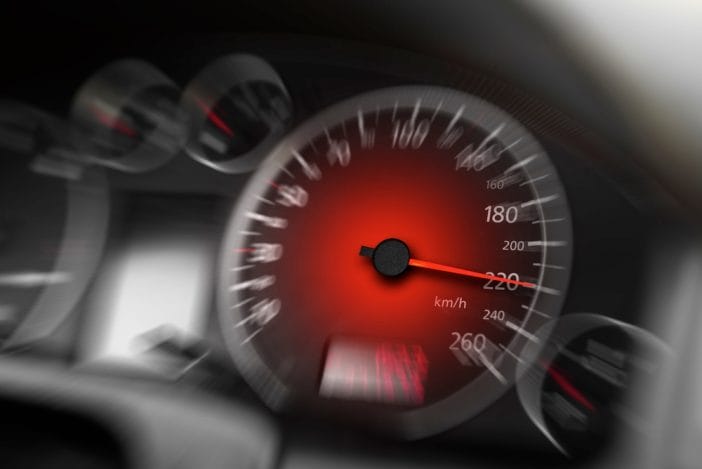
Driving looks simple on the surface, but the road hides plenty of small mistakes that quickly turn into flashing lights in the rearview mirror. Many drivers don’t realize how often certain behaviors trigger attention from law enforcement until it actually happens. The truth is, most traffic stops don’t come from dramatic crimes but from everyday patterns that stand out more than people expect. These patterns fall under a group often described as driving habits that get you pulled over, and they show up more often than most drivers care to admit. Learning how these habits work helps drivers avoid unnecessary tickets, stress, and insurance hikes.
The surprising part comes from how predictable these stops can be once patterns start forming. Officers watch for consistency, not perfection, and even small repeated behaviors can raise flags quickly. That means even responsible drivers sometimes slip into routines that look suspicious on the road. These driving habits that get you pulled over don’t always feel dangerous while they happen, which makes them even trickier.
1. Speeding Just a Little Over the Limit Every Time
Speeding doesn’t always mean racing down the highway at extreme speeds, since even small increases above the limit attract attention. Many drivers assume a five-to-ten-mile cushion exists, but enforcement often depends on location, traffic flow, and officer discretion. This makes speeding one of the most common driving habits that get you pulled over without warning. Consistent minor speeding also creates a pattern that stands out more than occasional bursts of acceleration.
Officers often target drivers who maintain slightly higher speeds than the surrounding traffic. That behavior signals impatience or lack of attention, even if no danger appears obvious. Over time, this becomes one of the most recognized driving habits that gets you pulled over in both city and highway environments. Staying close to posted limits reduces risk and keeps driving patterns predictable in a positive way.
2. Rolling Through Stop Signs Instead of Stopping Completely
Stop signs exist for full stops, yet many drivers reduce speed instead of halting entirely. That rolling motion often looks harmless to the driver but appears as a violation to law enforcement. This habit ranks high among driving habits that get you pulled over because officers easily spot incomplete stops at intersections. It also creates safety concerns for pedestrians and cross traffic.
A full stop means the vehicle comes to a complete pause with no forward motion at all. Anything less creates uncertainty and signals disregard for traffic rules. Over time, this small shortcut becomes one of the most common driving habits that gets you pulled over in residential neighborhoods. Slowing early and stopping fully eliminates confusion and reduces risk significantly.
3. Driving With Distracting or Unusual Vehicle Modifications
Loud exhaust systems, overly bright headlights, or tinted windows beyond legal limits often draw immediate attention. Even if the vehicle runs safely, visual or sound modifications can trigger a closer inspection. These changes rank high among driving habits that get you pulled over because they stand out instantly in traffic. Officers often associate unusual modifications with other potential violations.
Vehicle customization laws vary, but enforcement usually focuses on visibility and noise. Excessively loud or dim lighting creates suspicion even before driving behavior comes into play. That combination turns modifications into one of the most overlooked driving habits that get you pulled over. Keeping modifications within legal limits helps reduce unnecessary attention on the road.
4. Erratic Lane Changes Without Clear Signals
Frequent lane switching without signaling creates a pattern that draws attention quickly. Drivers often assume quick moves improve travel time, but officers see unpredictable behavior instead. This becomes one of the most common driving habits that gets you pulled over in busy traffic zones. Sudden movement without warning signals increases perceived risk for surrounding drivers.
Consistent signaling creates a predictable flow and reduces confusion. When drivers skip that step, their actions stand out sharply even in normal traffic conditions. That makes erratic lane changes one of the easiest driving habits that get you pulled over to avoid entirely. Smooth transitions and early signaling help maintain safe driving patterns.
5. Following Other Vehicles Too Closely
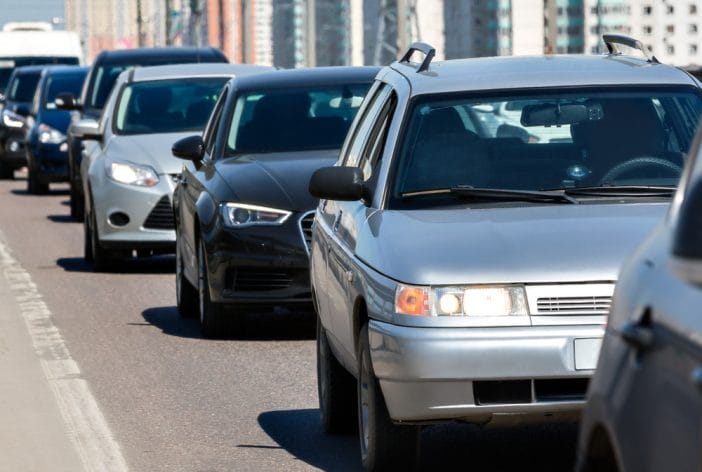
Tailgating creates immediate tension on the road and signals aggressive driving behavior. Officers often notice close following distances because they increase accident risk significantly. This habit ranks among driving habits that get you pulled over due to its strong association with unsafe driving. Even short distances at high speeds create serious concerns.
Maintaining a safe gap gives drivers time to react and reduces sudden braking risks. Officers tend to observe spacing carefully, especially in heavy traffic. That makes tailgating one of the driving habits that get you pulled over more frequently than drivers expect. Keeping distance calm and consistent prevents unwanted attention and improves safety.
6. Driving With Expired or Missing Documentation
Expired registration, outdated insurance cards, or missing license documents often lead to immediate stops. Officers regularly run plate checks, which makes this issue easy to detect. This falls into driving habits that get you pulled over because paperwork problems signal non-compliance. Even responsible driving behavior cannot override missing documentation.
Keeping documents updated avoids unnecessary complications during routine checks. Officers expect quick confirmation of legal status during stops or traffic encounters. That expectation turns paperwork lapses into one of the most avoidable driving habits that gets you pulled over. A quick monthly check helps prevent surprises on the road.
7. Ignoring Weather-Adjusted Driving Behavior
Driving the same way in rain, snow, or fog as in clear conditions often creates noticeable risk. Officers pay attention to vehicles that fail to adjust speed or braking distance. This behavior counts among driving habits that get you pulled over because it increases accident likelihood. Poor adaptation stands out quickly in harsh conditions.
Weather demands slower speeds and wider following distances. Drivers who ignore those changes often appear reckless even without breaking obvious rules. That makes this one of the more situational driving habits that get you pulled over during seasonal shifts. Adjusting driving style to conditions keeps both safety and compliance intact.
Why Small Road Habits Create Big Attention From Law Enforcement
Traffic enforcement rarely focuses on dramatic moments alone, since small patterns reveal more about driver behavior. Many driving habits that get you pulled over develop slowly through repetition rather than intentional risk-taking. Officers observe consistency, predictability, and compliance when deciding who receives attention. Even minor habits build a larger picture over time.
Awareness changes everything because most of these behaviors feel normal in the moment. Drivers often don’t notice how often they drift into driving habits that get you pulled over until a stop happens. Adjusting these small actions creates smoother trips and fewer interruptions. Safe driving always depends on consistent attention to detail rather than occasional corrections.
What driving habit do you think surprises drivers the most when it leads to a traffic stop? Let’s talk about it below in our comments.
You May Also Like…
10 Driving Habits That Are Quietly Wasting Your Gas Money—And Cost Nothing to Fix
10 Things Your Parents Told You About Driving That Are Now Illegal
Is It Illegal To Hide Your Car From The Repo Man?
5 Important Things NOT To Do During a Traffic Stop
6 Holster Positions That Are Getting Men Arrested During Traffic Stops
Related Posts
-

Picture this: after a long, exhausting day, he slips away to his own space with…
-

Want to own a piece of luxury real estate in a prime location, specifically in…
-

Stress is a killer, seriously. It can eat away at you over time. Some seasons…
-

Scrolling through Facebook Marketplace can feel like a treasure hunt—except sometimes, the “treasures” are downright…
-

Emotional distance in a marriage rarely appears overnight. It builds quietly through repeated moments that…
-

My wife has had quite the adventure getting new glasses this year. First, we tried…
