
10 Times Your “Check Engine” Light Doesn’t Mean Trouble
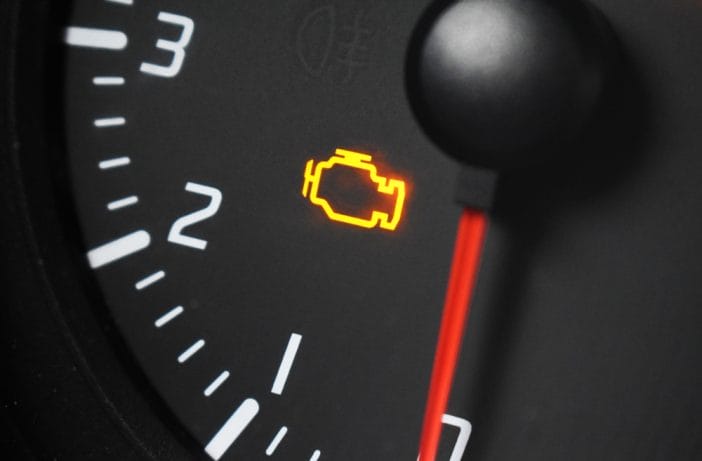
Few things spike your stress faster than seeing that glowing little engine icon pop on while you’re driving. Your brain jumps straight to worst-case scenarios—expensive repairs, breakdowns on the highway, or a mechanic bill that ruins your month.
But here’s the surprising truth: the check engine light isn’t always sounding a five-alarm emergency. In fact, there are plenty of everyday situations where it lights up for minor, harmless reasons. Understanding these can save you money, unnecessary panic, and a rushed trip to the shop.
1. Your Gas Cap Is Loose or Missing
A loose gas cap is one of the most common reasons your check engine light turns on, and it’s also one of the easiest fixes. Modern cars monitor fuel system pressure, and even a tiny leak can trigger a warning. If you’ve just filled up and didn’t tighten the cap properly, the system notices almost immediately. In some cases, the cap might be cracked or worn out, which also causes the alert. Tighten or replace it, drive a bit, and the light often resets itself within a day or two.
2. You Recently Got Gas and the System Hasn’t Reset Yet
Sometimes the check engine light shows up right after a fill-up, even if nothing is actually wrong. This happens because the car’s onboard diagnostics are recalibrating fuel system pressure and emissions levels. During that brief window, it may detect a temporary inconsistency. The light can stay on for a short time before turning itself off automatically. If everything else feels normal, give it a couple of driving cycles before worrying.
3. A Temporary Sensor Glitch Triggered It
Cars today rely on dozens of sensors, and occasionally one just hiccups. A brief electrical fluctuation or environmental factor—like extreme heat or cold—can cause a false reading. When that happens, the check engine light might flick on even though the engine is perfectly fine. These glitches are usually short-lived and resolve on their own. If the light disappears after a day or two, it was likely just a minor sensor blip.
4. You Drove Through Heavy Rain or Puddles
Water can temporarily interfere with sensors, especially those related to emissions or airflow. Driving through a deep puddle or heavy rainstorm can splash moisture into areas that don’t usually get wet. This can confuse the system and trigger the check engine light briefly. Once things dry out, the sensors typically return to normal function. If the light turns off after conditions improve, there’s usually nothing to worry about.
5. Your Car Battery Was Recently Disconnected
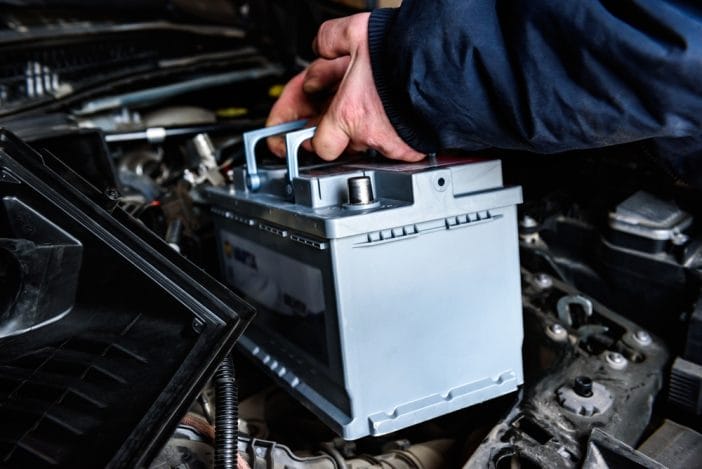
If your battery was replaced or disconnected, your car’s computer system resets. During the reboot process, it may need time to relearn normal operating conditions. This can sometimes trigger the check engine light temporarily. It doesn’t necessarily mean anything is wrong—it just means the system is recalibrating. After a few drives, everything usually settles back to normal.
6. Minor Emissions Fluctuations
The check engine light is heavily tied to emissions systems, which are extremely sensitive. Even small, harmless variations in fuel mixture or exhaust output can trigger a warning. For example, using slightly different fuel than usual might cause a temporary imbalance. These changes don’t always indicate a real problem. Often, the system corrects itself without any intervention.
7. Aftermarket Accessories Interfered
Installing aftermarket parts like a new air intake or exhaust can sometimes confuse your car’s sensors. These components can alter airflow or emissions readings just enough to trigger the check engine light. The car isn’t necessarily malfunctioning—it’s just detecting something outside its expected parameters. In many cases, a simple recalibration or software update solves the issue. It’s a good reminder that not all upgrades play perfectly with factory systems.
8. You Haven’t Driven Enough Recently
If your car has been sitting idle for a while, the system might not have enough data to confirm everything is working properly. Short trips and infrequent driving can prevent the engine from reaching optimal operating conditions. This can cause temporary alerts, including the check engine light. Once you take a longer drive, the system often clears itself. Think of it as your car wanting a proper workout.
9. Low-Quality Fuel Caused a Temporary Issue
Using lower-quality gasoline can sometimes affect engine performance just enough to trigger a warning. The sensors may detect slight inefficiencies in combustion or emissions. This doesn’t mean you’ve damaged your engine—it’s usually a short-term reaction. Switching back to higher-quality fuel often resolves the issue quickly. The check engine light may disappear after a few tanks.
10. It’s a Reminder, Not a Crisis
Sometimes the check engine light is simply doing its job—flagging something small before it becomes big. Not every alert means you should pull over immediately or call a tow truck. Many issues are minor, manageable, and not urgent. The key is paying attention to how your car feels and sounds alongside the warning. If everything seems normal, you likely have time to investigate calmly.
Don’t Panic—Be Smart About It
Seeing the check engine light doesn’t mean you should ignore it completely, but it also doesn’t mean disaster is looming. The smartest move is to observe your car’s behavior and, if needed, use a basic OBD-II scanner to check the code. Many auto parts stores even offer free scans, giving you quick insight without spending a dime. If the light is flashing or your car is running poorly, that’s when you act fast—but steady lights are often less urgent. Knowing the difference can save you money, stress, and unnecessary repairs.
Have you ever had your check engine light come on for something surprisingly minor—or totally unexpected? Share your story in the comments.
You May Also Like…
Smart Automotive Choices That Can Lower Your Long-Term Vehicle Costs
More Cars Are Being Targeted in Parking Lots—And It’s Not for the Reason You Think
10 Vintage Cars That Pay Off Big When Restored
Inside the Numbers: Automotive Repair Market Growth and Scrap Metal Value
5 Car Engines That Changed Automotive History
Related Posts
-

It doesn't bother me when people poke fun at my frugal ways. I know for…
-

Traffic stops can turn tense in seconds, even during something as simple as a broken…
-

Every man wants to keep their home safe. Safe from break-ins, fires, flooding, you name…
-

You take pride in your home’s curb appeal, spending weekends perfecting your landscaping and making…
-

A burglar rarely picks a house at random. Most thieves spend time looking for easy…
-

People have long considered marriage a private contract between two individuals. In the information age,…
