
10 Public Spaces That Seem Safe But Aren’t for Seniors
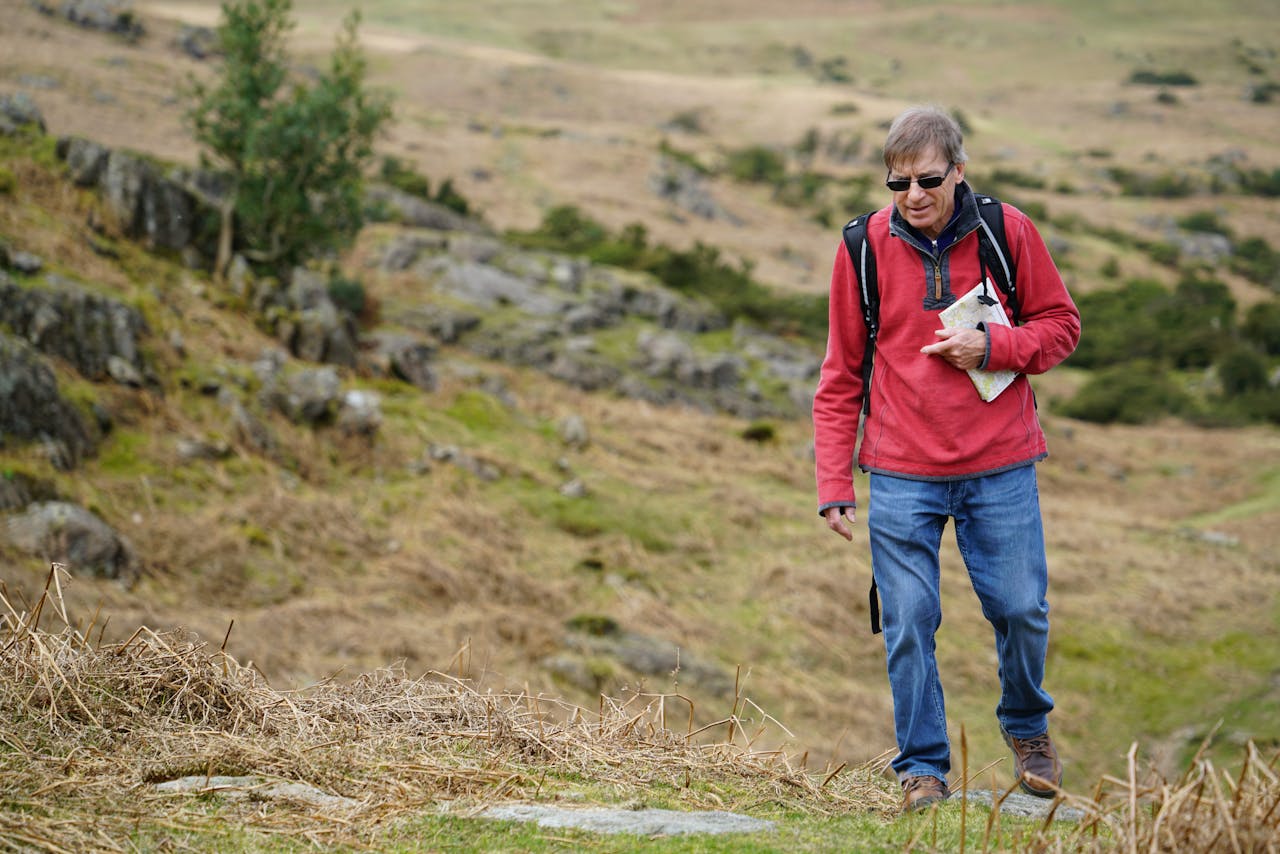
Staying active and social is important for seniors, but not every public space is as safe as it looks. Many places that seem harmless can actually hide risks for older adults. Falls, confusion, and even crime can happen in spots we all use every day. Knowing where these dangers are helps you or your loved ones stay alert and avoid trouble. This list breaks down ten public spaces that seem safe but aren’t for seniors, with practical tips for each. Staying aware can make a big difference.
1. Shopping Malls
Shopping malls feel familiar and comfortable, but they can be risky for seniors. Slippery floors, crowded walkways, and fast-moving shoppers make falls more likely. Escalators and elevators can be confusing or break down. Some malls have poor lighting in parking lots, which can lead to trips or even theft. If you visit a mall, wear shoes with a good grip, use handrails, and avoid peak hours. Ask for help if you need it, and don’t carry too many bags at once.
2. Public Parks
Parks are great for fresh air, but uneven paths, loose gravel, and hidden tree roots can cause falls. Benches may be too low or unstable. Some parks lack clear signs, making it easy to get lost. If you walk in a park, stick to paved paths and bring a friend. Carry a phone and let someone know where you are. Watch for cyclists and joggers who may not see you.
3. Public Transportation
Buses and trains help seniors get around, but they come with hazards. Steps can be steep, and vehicles may move before you’re seated. Crowded buses make it hard to hold on. Some stations have poor lighting or broken elevators. Plan your route ahead of time and wait for the next bus if the first is too full. Use priority seating and ask the driver to wait until you’re seated.
4. Grocery Stores
Grocery stores seem safe, but spills, cluttered aisles, and heavy carts can cause problems. Reaching for items on high or low shelves can lead to strains or falls. Some stores play loud music or have bright lights, which can be disorienting. Shop during quiet hours and ask staff for help with hard-to-reach items. Use a small cart or basket if you have balance issues.
5. Hospitals and Clinics
It’s easy to think hospitals are safe, but they can be confusing and crowded. Long hallways, slippery floors, and medical equipment in walkways are common. Seniors may feel rushed or overwhelmed. If you have an appointment, bring a list of questions and a friend or family member. Wear shoes with a good grip and take your time moving from place to place.
6. Libraries
Libraries are quiet, but they can hide risks. Some have stairs without handrails, slippery floors, or heavy doors. Bookshelves can block sightlines, making it hard to see other people or obstacles. If you visit a library, use elevators instead of stairs, and ask staff for help with doors or finding books. Sit near the entrance if you need to rest.
7. Community Centers
Community centers offer activities for seniors, but not all are designed with safety in mind. Floors may be uneven, and some rooms are crowded with furniture. Exercise classes may not be tailored for all abilities. Before joining an activity, check the space for hazards and let staff know if you need help. Choose classes that match your fitness level.
8. Sidewalks and Crosswalks
Sidewalks and crosswalks are part of daily life, but cracks, uneven pavement, and fast traffic make them risky. Some crosswalks don’t give enough time to cross, and curb cuts may be steep. Always use marked crosswalks and wait for the signal. If you use a cane or walker, check the pavement before stepping off the curb. Wear bright clothing to be seen by drivers.
9. Restrooms in Public Places
Public restrooms can be slippery and cramped. Wet floors, low toilets, and heavy doors make falls more likely. Some restrooms lack grab bars or have poor lighting. If you need to use a public restroom, look for accessible stalls with grab bars. Take your time and use paper towels to dry your hands and the floor if needed.
10. Parking Lots
Parking lots are often overlooked, but they’re full of hazards. Cars move quickly, and drivers may not see pedestrians. Pavement can be uneven, and painted lines get slippery when wet. Some lots have poor lighting, which increases the risk of falls and crime. Park close to entrances and avoid the lots at night. If you feel unsafe, ask for an escort or wait for a friend.
Staying Safe in Everyday Spaces
Many public spaces that seem safe actually have hidden dangers for seniors. Falls are a leading cause of injury for older adults, and many happen in places we all use every day. Staying alert, planning ahead, and asking for help can lower your risk. Simple steps like wearing the right shoes, using handrails, and avoiding busy times make a big difference. If you notice a hazard, report it to staff or local authorities.
Have you or a loved one faced a hidden danger in a public space? Share your story or advice in the comments.
Read More
The Strange Laws Still on the Books That Target Seniors
Seniors Struggle With These 10 Car Features—And It’s a Growing Safety Issue
Related Posts
-

Managing your finances is a universal challenge, but not all money tips are created equal.…
-

By Lauren Young, TurboTax Deductionista Thanks to Lauren (via the TurboTax PR office) for letting…
-

We often associate exhaustion with physical labor or long work hours, but emotional exhaustion is…
-

Considering a new vehicle but hesitant about committing to ownership or traditional leasing? A car…
-
First I want to say that I recognize that there are millions of Americans, and…
-
I've been wanting to write this article for some time, but I figured everyone was…
