
You’re Damaging Your Hearing Every Day—These “Normal” Noises Are the Problem
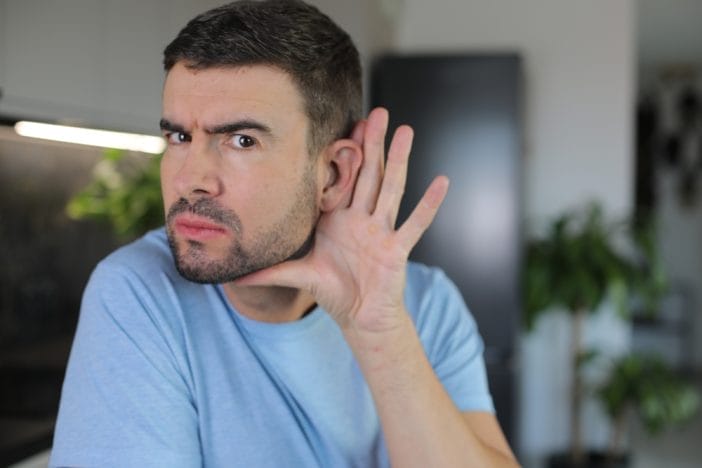
Silence rarely gets a standing ovation, but maybe it should. The world runs loud, fast, and constant, and that nonstop noise carries a cost that most people never stop to measure. If you stop and slow down, you may notice just how chaotic and loud the world around you is every single day.
It’s important to always remember that hearing does not usually disappear overnight. Instead, it fades, slowly and quietly, while everyday sounds chip away at it piece by piece. The real shock comes from this simple truth: the biggest threats are not rare, dramatic blasts of sound. They come from the things that feel completely normal.
1. The Volume Trap Sitting Right in Your Pocket
Headphones and earbuds have turned into everyday essentials, and they rarely leave pockets, bags, or ears. Music, podcasts, calls, videos—everything funnels through them, often at volumes that push far past safe levels. Many devices can reach around 100 decibels or more at maximum volume, and anything above 85 decibels can begin to damage hearing over time.
People tend to crank the volume in noisy environments like public transit or busy streets, which creates a double hit of background noise plus amplified audio. That combination forces ears to work harder than they should, and it increases the risk of long-term damage. The problem does not come from one loud session, but from repeated exposure day after day.
Listening duration matters just as much as volume. Hours of moderate-to-high volume listening can create the same damage as short bursts of extreme noise. That slow buildup makes it easy to overlook the impact, especially when nothing feels wrong in the moment.
Simple adjustments can make a huge difference. Keeping volume at about 60 percent of maximum and limiting listening sessions to under an hour at a time can help protect hearing. Noise-canceling headphones also reduce the need to turn the volume up, which gives the ears a much-needed break.
2. The Everyday Machines That Roar Louder Than Expected
Blenders, hair dryers, lawn mowers, vacuum cleaners—these household staples do not look dangerous, but they can produce sound levels that creep into risky territory. A typical hair dryer can hit around 85 to 90 decibels, while a lawn mower can push past 90 decibels, which crosses into the range where hearing damage can occur with prolonged exposure.
These sounds feel harmless because they blend into daily routines. No one flinches at the sound of a vacuum or pauses before starting a blender, but repeated exposure adds up. Spending even 30 minutes around loud appliances regularly can contribute to gradual hearing loss over time.
Outdoor tools take things even further. Leaf blowers, power drills, and chainsaws can easily exceed 100 decibels, which increases risk quickly. Without protection, ears absorb that intensity directly, and the damage builds silently. Wearing ear protection during louder tasks can make a major difference. Foam earplugs or earmuffs reduce noise levels significantly without interfering with the job. Taking short breaks from continuous noise also gives ears time to recover, which helps limit long-term impact.
3. Traffic, Gyms, and the Background Noise That Never Stops
City streets and busy environments create a constant wall of sound that rarely dips below safe levels. Traffic noise alone can hover between 70 and 85 decibels, and that level climbs higher with sirens, honking, and construction. Spending hours in that environment every day exposes the ears to a steady stream of stress.
Gyms add another layer to the problem. Loud music, clanging weights, and high-energy classes can push sound levels well above 90 decibels. That environment encourages people to turn up personal audio even more, which stacks exposure on top of exposure.
The issue here revolves around duration. Continuous noise, even at moderate levels, can still cause damage when it lasts long enough. Ears do not get a break, and that constant stimulation wears them down gradually. Creating moments of quiet can help reset things. Stepping outside noisy environments, lowering personal audio, or simply choosing quieter spaces when possible can reduce overall exposure. These small choices add up over time and give the hearing a chance to recover.

4. Concerts, Events, and “Once in a While” That Adds Up
Live music, sporting events, and festivals bring energy and excitement, and they also bring serious volume. Concerts often reach 100 to 120 decibels, which can cause damage in a very short amount of time. Even a single event can leave ears ringing, which signals temporary damage that can become permanent with repetition. People often treat these experiences as occasional, which makes the risk feel smaller than it actually is. Attending multiple events throughout the year can stack exposure in ways that go unnoticed. That pattern turns “once in a while” into a regular source of strain on hearing.
Positioning also matters. Standing close to speakers or amplifiers increases exposure dramatically. The closer the source, the more intense the sound hitting the ears. Bringing earplugs to events can change everything without ruining the experience. High-fidelity earplugs lower volume while preserving sound quality, which allows full enjoyment without the damage. Taking short breaks from loud areas during events also helps reduce overall exposure.
5. The Subtle Warning Signs That Should Not Be Ignored
Hearing damage rarely announces itself loudly. Instead, it shows up in small, easy-to-dismiss ways that build over time. Ringing in the ears, known as tinnitus, often appears after loud exposure and can signal early damage. Difficulty following conversations in noisy environments can also point to changes in hearing. When voices start to blur into background noise, that shift deserves attention. Turning up the volume on devices more frequently can also indicate gradual hearing loss.
These signs may come and go at first, which makes them easy to ignore. That temporary nature creates a false sense of security, even though the underlying damage may continue. Paying attention to these signals can prevent further harm. Scheduling a hearing test when symptoms appear can provide clarity and catch issues early. Taking action at the first sign of trouble can help preserve hearing for the long term.
Simple Habits That Protect Hearing Without Killing the Vibe
Protecting hearing does not require drastic lifestyle changes or giving up favorite activities. Small, consistent habits can reduce risk while keeping everything enjoyable. Lowering volume, taking breaks, and using protective gear during loud activities all add up.
Choosing quieter alternatives when possible can also help. Walking on a less busy street, adjusting workout environments, or reducing background noise at home can lower overall exposure without much effort. Technology can support better habits. Volume limit settings on devices and apps that track noise exposure can provide helpful reminders. These tools make it easier to stay aware without constant guesswork.
Consistency matters more than perfection. Making better choices most of the time can significantly reduce the risk of long-term damage. Hearing health improves through steady attention, not one-time fixes.
Turn the Volume Down Before It Turns You Down
Hearing loss does not need to feel inevitable. Everyday sounds may create the risk, but everyday choices can push back just as strongly. Paying attention to volume, duration, and environment can protect something that often gets taken for granted until it changes. The best part comes from how manageable this really is. No extreme routines, no complicated systems—just awareness and a few smart adjustments that fit into daily life. That kind of control feels empowering, especially when it protects something as essential as hearing.
Which of these everyday noises feels hardest to dial back, and what small change could make the biggest difference starting today? Drop your take in the comments and share what works, what surprises you, or what habits might need a reset.
You May Also Like…
How an Decades-Old Medication is Showing Promise for Hair, Heart, and Prostate Health
The Hidden Mental Health Risks of Common Hair Loss Drugs Men Should Know About
8 Reasons You Keep Forgetting Names Right After Hearing Them
The Alcohol Pattern That Destroys Male Health Faster Than Smoking
7 “Healthy” Comfort Foods That Are Actually Spiking Your Blood Sugar
