
Your New-Car Smell Could Be Toxic — Studies Reveals Chemical Hazards
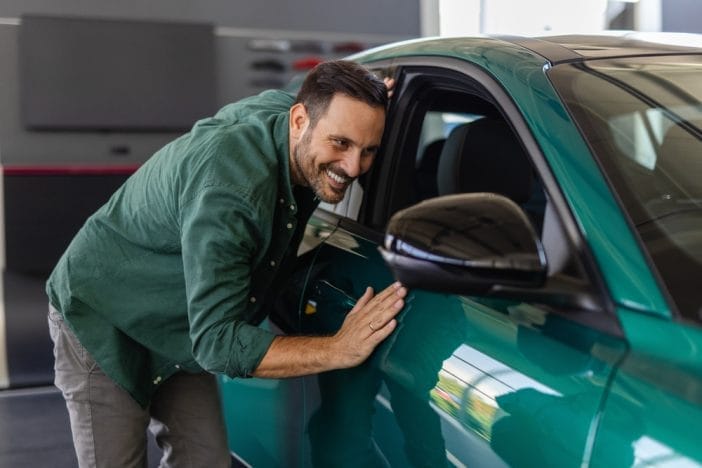
Nothing says “success” quite like sliding into a brand-new car with spotless seats, glowing screens, and that famous new-car smell floating through the cabin. Automakers have spent decades turning that scent into part of the experience because buyers associate it with luxury, cleanliness, and excitement. Unfortunately, researchers now say that signature aroma may come with a side of chemical exposure that nobody asked for. Several recent studies found that many new vehicles release volatile organic compounds, often called VOCs, from plastics, adhesives, seat foam, and synthetic materials. Those chemicals can build up inside tightly sealed cabins, especially during hot American summers when interior temperatures skyrocket faster than a gas station coffee pot on a Monday morning.
Scientists continue to raise concerns because some of those compounds connect to headaches, respiratory irritation, hormone disruption, and even certain cancers after prolonged exposure. A 2024 study examined cabin air in dozens of vehicles and found measurable levels of flame retardants and plasticizers that exceeded recommended exposure thresholds in some cases. Heat made the problem significantly worse because high temperatures caused interior materials to release chemicals more aggressively. Families with children face additional concern because kids breathe faster and absorb airborne pollutants more easily than adults. The issue does not mean every new car instantly turns into a rolling toxic cloud, but experts increasingly agree that consumers deserve clearer information about what fills the air inside their vehicles.
Why That Smell Exists in the First Place
The famous new-car smell does not come from one magical ingredient cooked up in an automotive laboratory. Instead, it forms from dozens of chemicals slowly escaping from dashboards, carpeting, leather treatments, seat cushions, glues, and plastic trim pieces packed throughout the interior. Manufacturers use these materials because they reduce costs, improve durability, and help vehicles meet modern design expectations loaded with touchscreens, molded surfaces, and synthetic fabrics. Once those materials heat up, they release gases into the cabin through a process called off-gassing. That means every sun-soaked parking lot in Phoenix, Dallas, or Miami can basically turn a vehicle into a slow cooker full of airborne compounds.
Researchers frequently identify chemicals like formaldehyde, benzene, toluene, and styrene during vehicle air-quality testing. Benzene especially grabs attention because health agencies classify it as a known carcinogen connected to leukemia and other blood disorders after long-term exposure. Some people notice symptoms quickly, including dizziness, watery eyes, coughing, or nausea during long drives in brand-new vehicles. Drivers with asthma or chemical sensitivities often react even faster because enclosed cabins trap pollutants in concentrated spaces. The smell may seem luxurious, but the science behind it sounds far less glamorous once toxicology experts start listing ingredients that belong nowhere near a family road trip playlist.
Summer Heat Turns the Cabin Into a Chemical Hot Box
A vehicle interior can reach more than 130 degrees Fahrenheit during a scorching summer afternoon, and those temperatures dramatically increase chemical emissions from interior materials. Studies consistently show VOC levels spike after vehicles sit parked in direct sunlight for several hours. That creates a bigger issue in southern states where blazing temperatures stretch across much of the year. Americans already spend substantial time commuting, running errands, and shuttling kids to sports practice, so exposure can pile up faster than many drivers realize. Even quick drives may expose occupants to higher chemical concentrations when windows stay closed and air recirculation remains switched on.
Researchers measured cabin air quality under different weather conditions and discovered some compounds doubled or tripled during extreme heat events. Drivers often climb into hot cars, blast the air conditioner immediately, and unknowingly circulate concentrated chemicals directly through the ventilation system. The first few minutes after startup may actually contain the highest exposure levels of the day. Experts recommend opening doors and windows for several minutes before driving to allow trapped gases to escape. That simple habit may not sound revolutionary, but it can significantly reduce exposure without costing a single dollar or requiring fancy aftermarket gadgets.
Children Face Higher Risks Than Adults
Children absorb pollutants differently because their lungs and immune systems still develop throughout childhood. A chemical concentration that barely affects an adult may create a stronger impact on infants, toddlers, or younger passengers packed into car seats during daily drives. Pediatric researchers continue to study how repeated exposure to VOCs may affect respiratory health, neurological development, and long-term wellness outcomes. Families often assume homes contain the biggest indoor air risks, yet many kids spend hours every week inside vehicles during school pickups, road trips, and extracurricular activities. That turns the family SUV into an overlooked environment for potential chemical exposure.
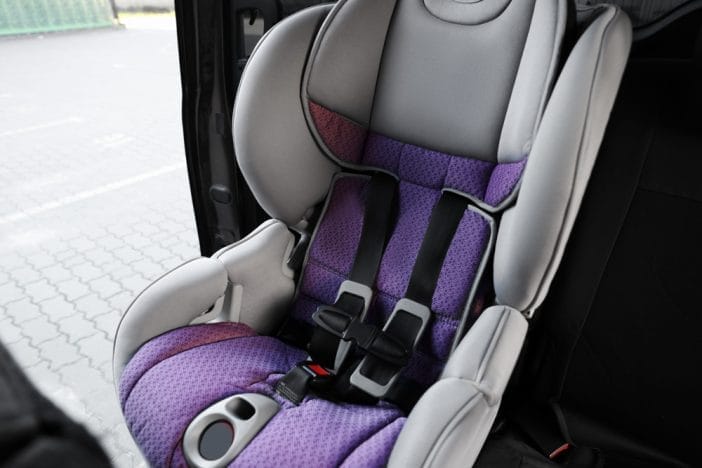
Car seats can complicate the situation because many contain additional flame retardants and synthetic materials that also release VOCs over time. Parents sometimes place brand-new car seats inside brand-new vehicles, effectively doubling the number of fresh materials off-gassing in an enclosed space. Heat exposure amplifies the issue because rear seating areas often trap warm air more intensely than front cabins. Pediatricians generally recommend maximizing fresh airflow whenever children ride in newer vehicles, especially during the first six months after purchase. Cracking windows, parking in shaded areas, and avoiding unnecessary idling can help reduce cabin pollutant buildup during everyday family routines.
Smart Drivers Already Take These Precautions
Consumers do not need to panic or swear off buying new vehicles forever because several practical strategies can reduce exposure dramatically. Experts recommend airing out a new car regularly during the first few months of ownership by leaving windows open in safe locations whenever possible. Parking in garages or shaded areas also helps keep cabin temperatures lower and slows the off-gassing process. Some drivers even place small battery-powered fans inside parked vehicles to improve ventilation during hot afternoons. These small habits create noticeable improvements in cabin air quality over time.
Air filters matter more than many drivers realize because high-quality cabin filters can capture certain airborne particles and pollutants before they circulate repeatedly through the ventilation system. Some electric vehicles and luxury brands now advertise advanced air-purification systems as major selling points because consumer awareness continues growing. Buyers concerned about chemical exposure can also research low-VOC vehicle interiors before purchasing a new car. Consumer advocacy groups increasingly publish air-quality rankings and interior emissions reports that compare manufacturers more transparently than in previous years. Fresh air may never smell quite as exciting as that classic dealership scent, but lungs probably appreciate the trade-off.
The New-Car Smell May Lose Its Appeal Fast
For decades, Americans treated the new-car smell like a badge of honor that symbolized progress, comfort, and shiny modern living. Now science continues pulling back the curtain on what actually creates that scent, and the findings feel far less romantic than a glossy car commercial during football season. Automakers face growing pressure to develop cleaner interior materials that reduce harmful emissions without sacrificing comfort or affordability. Consumers also hold more power than ever because rising awareness pushes companies to prioritize healthier cabin environments. The future of car design may depend just as much on cleaner air as horsepower and giant touchscreen displays.
Would concerns about toxic chemicals make a difference in the kind of car you buy next? Let’s chat about it below in our comments.
You May Also Like…
Thieves Are Targeting These 5 Cars at Record Rates in 2026 — Is Your Vehicle on the List?
Florida Reports More Flood-Damaged Cars Entering The Used Market After A National Increase Last Year
10 Vehicles That Keep Running Long After Most Cars Fail — Backed By Owner Data
How to Financially Prepare for Your First-Time Automobile Purchase
10 Trunk Items That Could Save You in an Emergency (Most Drivers Forget #5)
Related Posts
-

Giving to charity should feel good. It’s a way to help others and make a…
-

Relationship ultimatums are tempting when you feel stuck or unheard. They seem like a way…
-

Beauty may be in the eye of the beholder, but some automotive designs leave everyone…
-

We all love dogs, but not every breed is a perfect fit for every home.…
-

We've all heard suggestions as to how to calculate a proper tip based upon…
-
It's Friday, so let's keep today's post short and light. I want to talk…
