
Your Car May Have Been Part of a Theft Ring Before It Was Cleaned and Resold
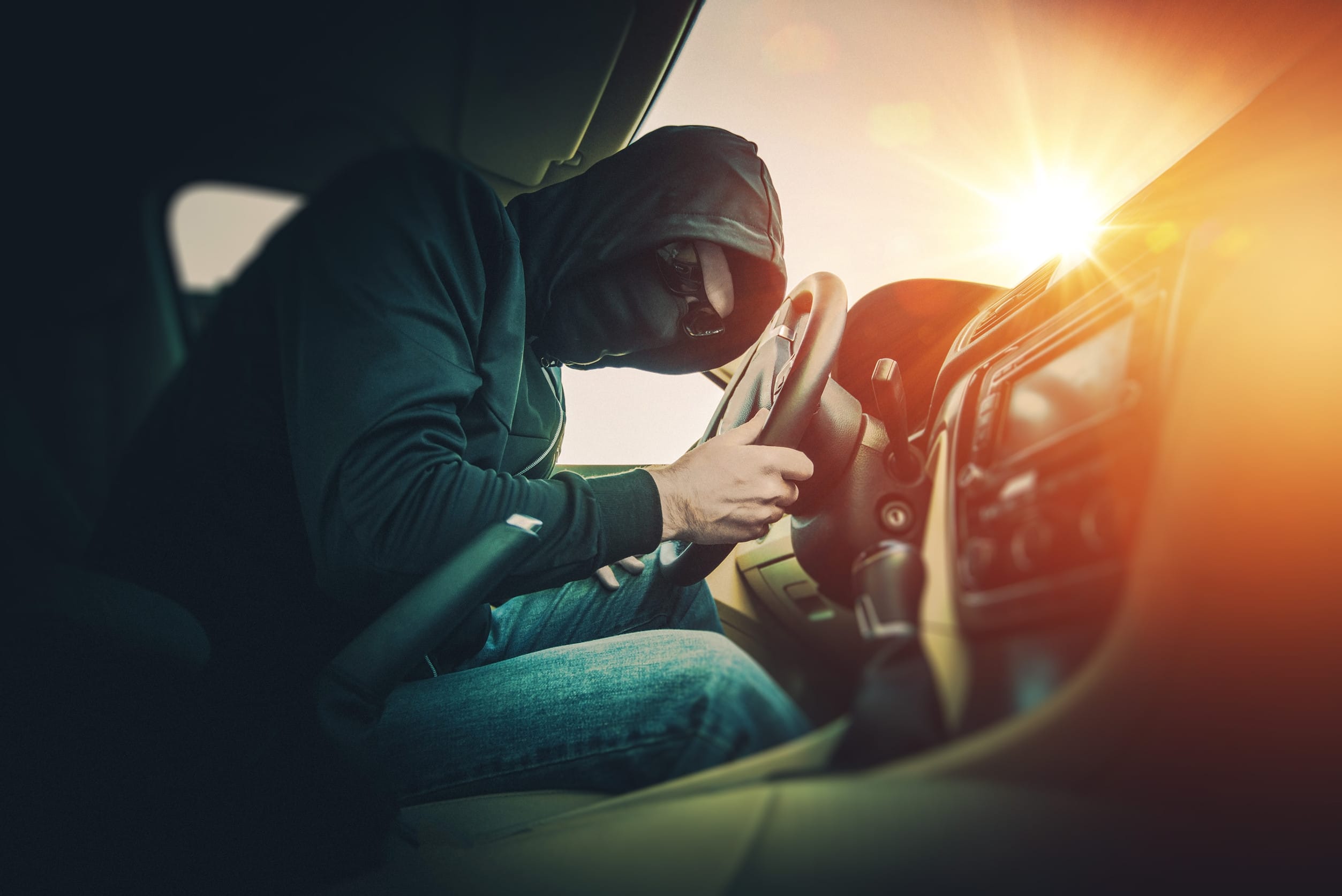
Buying a used car with a label that says “clean title” can feel like a win. But skilled theft rings are hiding vehicles’ dark pasts by “cleaning” titles and altering VINs. If you don’t recognize the signs, you could unknowingly purchase a stolen car. It’s more than a financial risk—it’s legal trouble and a major headache. Let’s break down exactly how thieves clean and resell cars so you can protect yourself.
1. Stolen Cars, Fake Paperwork, Clean Titles
The most common fraud involves vehicles stolen and then re-titled through illegal means. In Suffolk County, 33 suspects allegedly stole over 130 vehicles, forged loan documents, wiped liens, and resold cars for around $43,000 each under false titles. They removed liens electronically and sold cars, knowing the titles were fake. Buyers who trusted those “clean” titles had no clue they were buying stolen property. This scam cost victims over $5.5 million—and it’s still happening across the country.
2. Fancy Rings That Tidy VINs and Dismantle Histories
Other theft rings go deeper—they change or tamper with VIN plates before sale. In New York and Charlotte, criminals stole luxury vehicles, swapped VINs, removed navigation tracking systems, and sold them for far below market value. These operations often move cars out of state to avoid detection. Once they have a new identity and title, it’s nearly impossible to trace the theft. Buyers end up with a shell of a car and a lifetime of regret.
3. Rental Car Rings That Clean and Re-Sell
Some theft crews target rental fleets at airports—steal cars, re-title, and sell them as legit used vehicles. In Florida, thieves took nearly 80 vehicles, stripped VINs, and sold them on the black market. They used key-cloning, trackers, and covert methods to avoid detection. Once they re-titled the cars, unsuspecting buyers had no idea they were driving stolen goods. That Florida ring alone scammed buyers out of thousands.
4. High-Volume Airport Heists
Major airports like DFW have been targeted by theft rings stealing high-end vehicles. Authorities say around 52 cars valued at nearly $5 million were stolen from one airport alone, then reprogrammed and resold. The thieves used advanced diagnostic tools—Autel devices—to hack key fobs and access modern cars. These sophisticated schemes show how organized and tech-savvy the rings are. There’s no “just a title issue” here—it’s full-blown auto crime syndicates.
5. Chop Shops Selling Parts, Not Whole Cars
Sometimes they don’t sell the whole vehicle—they chop it into pieces. In Waterbury, CT, authorities busted a teen running a chop shop, stealing cars to dismantle them for parts. These parts are used in illegal repairs, feeding the larger resale market. Your “new” part could be from a stolen car, and you wouldn’t even know. This ripples through mechanics and used-car buyers, contaminating the whole supply chain.
6. International Exporter Schemes
Some rings clean stolen vehicles and then export them overseas. In Australia, a gang “rebirthed” stolen cars in warehouses before sending them to the Middle East. It’s not just local resale—it’s global laundering of stolen property. Once a car crosses borders, tracking and recovery become almost impossible. These global networks make domestic buyers think the vehicle has a clean past.
7. Massive Fraud During COVID Lockdowns
During the pandemic, some theft rings exploited empty streets to grab unattended vehicles. In the Bronx, criminals reprogrammed car computers and swapped VINs on dozens of Hondas during lockdowns. They targeted vehicles left parked for days, then forged titles, changed data, and sold everywhere. The disruption of normal patterns gave thieves cover to operate at scale. Even today, echoes of that activity still show up in resale inventories.
8. Catalytic Converter Rings Fuel the Fraud Ecosystem
While not full vehicle theft, catalytic converter rings contribute heavily to organized auto crime. A national ring stole and resold multi-million-dollar value in parts statewide. They stripped cars, sold parts, laundered money, then used those channels to deal in stolen vehicles. These converter networks intertwine with car theft operations as parts liquidators. Their sprawling reach touches mechanics, scrap yards, and unwitting auto buyers.
How to Avoid Buying a “Cleaned” Clone
All of that said, there are a few things you can do to avoid buying a car you’ll undoubtedly regret…
- VIN check & history report: Always run a Carfax or AutoCheck—check for mismatched VINs and title flags.
- Inspect paperwork closely: If the dealer can’t show lien removal proof, walk away.
- Service records: Lack of consistent maintenance logs is a red flag.
- Physical VIN check: Confirm that the stamped VIN matches the paperwork, especially on the chassis and door jambs.
- Local law enforcement check: Run the VIN through police or DMV databases—they may flag a stolen history.
Your Next Car Should Come With Peace of Mind, Not Problems
Buying used is smart—but only if you buy smart. Car theft rings are getting more sophisticated: cloning keys, hacking VINs, laundering titles, and exporting stolen cars internationally. When you run VIN checks, inspect titles, and confirm service history, you’re arming yourself with protection. Ask questions, demand transparency, and if anything seems off—pause the sale. Your next car should bring confidence, not chaos.
Have you ever uncovered a hidden issue after buying a used car? Share your story or tips in the comments—your experience could help others avoid a nightmare purchase.
Read More
Why Thousands of Cars in “Perfect Condition” Are Failing Emissions Tests
Dealership Confidential: How They Make Thousands Selling Cars With “Cleaned” Salvage Titles
Related Posts
-

It’s no secret that alcohol can take a toll on your health, but some drinks…
-

Staying healthy is important, and fitness trackers make it easier. You can count your steps,…
-

Living solo can be freeing, rewarding, and empowering—especially for men who are building their careers,…
-

Lawn maintenance is an integral part of homeownership, offering both aesthetic appeal and functional benefits.…
-

Dating apps have changed the way people meet, but they’re not for everyone. More and…
-

Buying a new car feels good. It’s a big purchase, and for many men, it’s…
